Tens of thousands of fans traveled to a World Cup final, and the biggest threat to their safety wasn't a stampede or a storm. It was the air.
A report this week from DW.com details how wildfire smoke rolled into the host city ahead of the 2026 World Cup final, raising serious air quality concerns for one of the most attended sporting events on the planet. Organizers scrambled. Outdoor crowds had no real shelter. And most of those 80,000-plus people in the stadium had no mask, no plan, and no particular awareness that smoke at that scale is a medical event, not a nuisance.
That's the part the sports coverage misses. For the people sitting in those stands — many of them with asthma, heart conditions, or young children — a sustained PM2.5 spike isn't uncomfortable. It's dangerous.
What's actually changing
Wildfire smoke used to be a regional problem with a clear geography: if you lived in the West, you thought about it. If you lived in the Northeast or the Midwest or in a European city, you mostly didn't.
That's no longer the case. Smoke from large fires now routinely travels thousands of miles and drops into population centers with almost no advance notice for residents who aren't actively monitoring air quality data. The 2023 Canadian fires that turned New York City's skyline orange were a preview. This World Cup event is another data point in the same series.
The pattern worth watching: smoke events are hitting dense urban environments during mass gatherings — concerts, marathons, outdoor graduations — where people can't easily leave and venues have no filtration infrastructure. Most cities have no protocol for this. Most families don't either.
What we'd actually do
Check your air quality source, and make sure it's the right one. AirNow.gov (for U.S. residents) and IQAir both pull from government monitoring networks and give you an AQI number you can act on. Weather apps are not equivalent — most of them don't reflect real-time PM2.5 levels. Set a bookmark, or install the app, before you need it. When AQI hits 101 (the orange "Unhealthy for Sensitive Groups" threshold), the calculus changes for anyone with respiratory or cardiovascular conditions, kids under 12, and adults over 65.
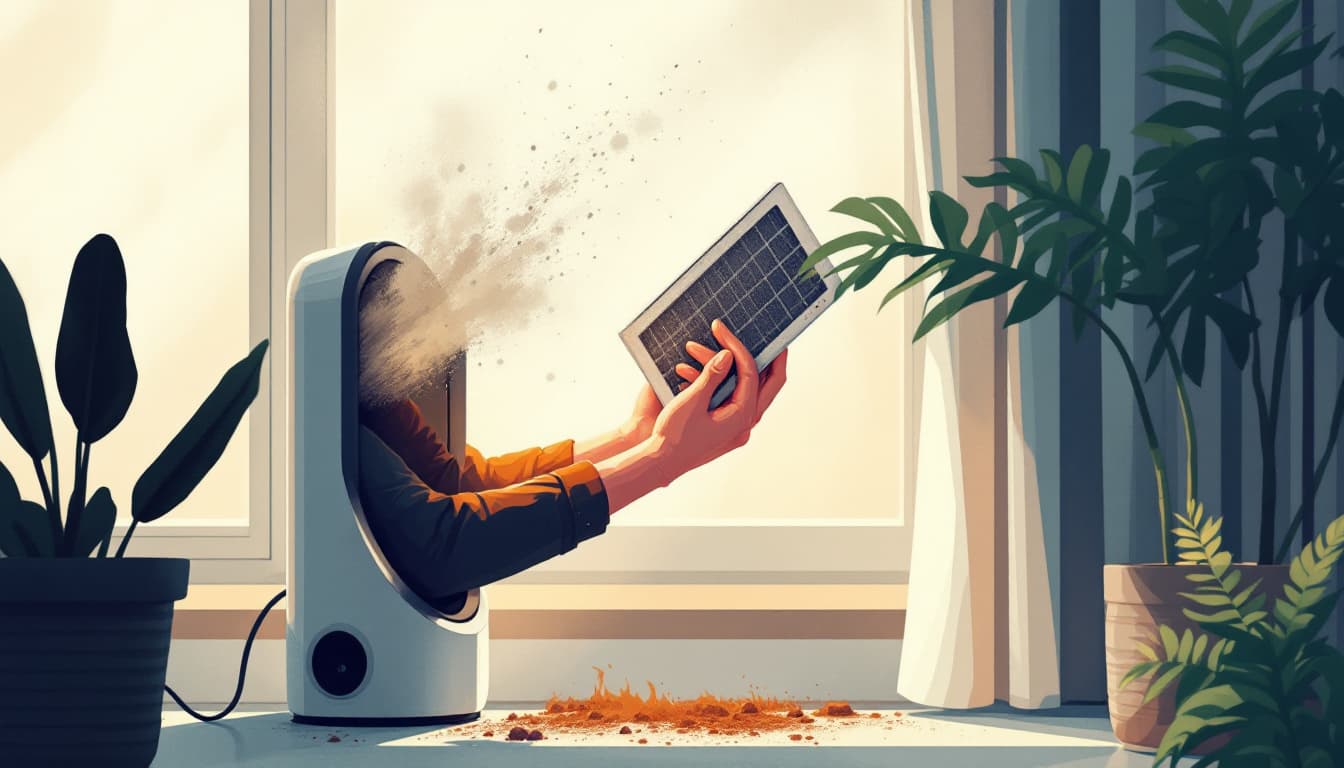
Own at least two N95s per household member and know where they are. This is the preparedness item most families skip because it sounds like overkill until smoke rolls in at 11 p.m. on a Tuesday. N95s rated by NIOSH filter out at least 95 percent of airborne particles at the size that causes harm. Cloth masks and surgical masks don't. A box of 20 NIOSH-certified N95s costs roughly $20-$30 at hardware stores. Buy two boxes. Store one at home, one in the car.
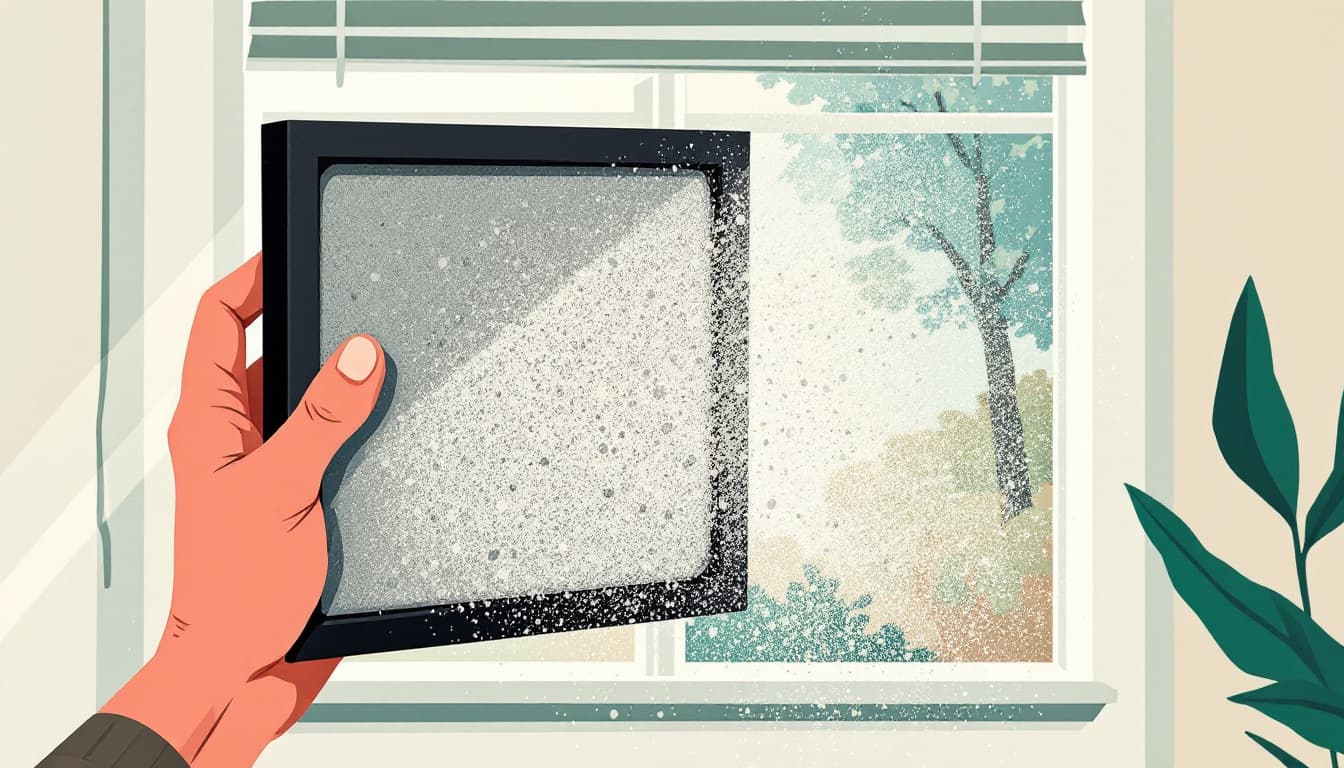
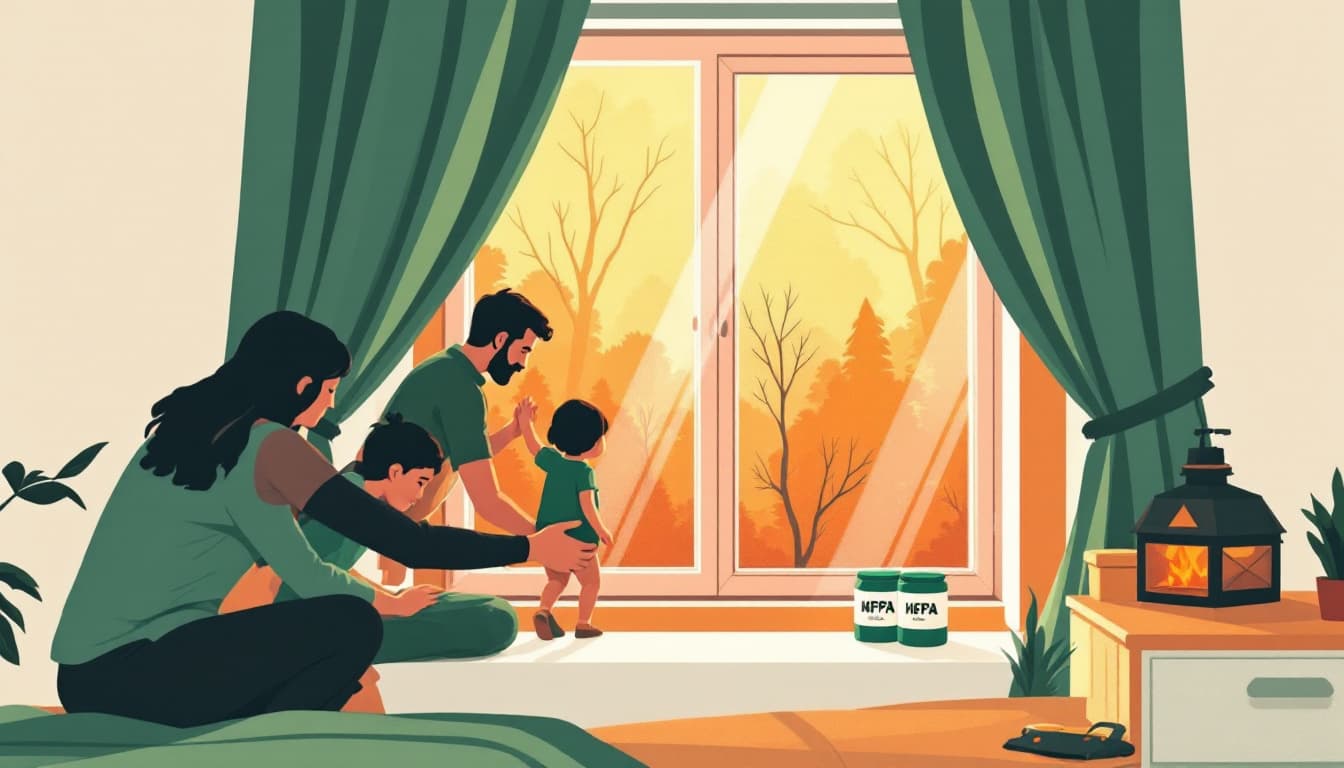
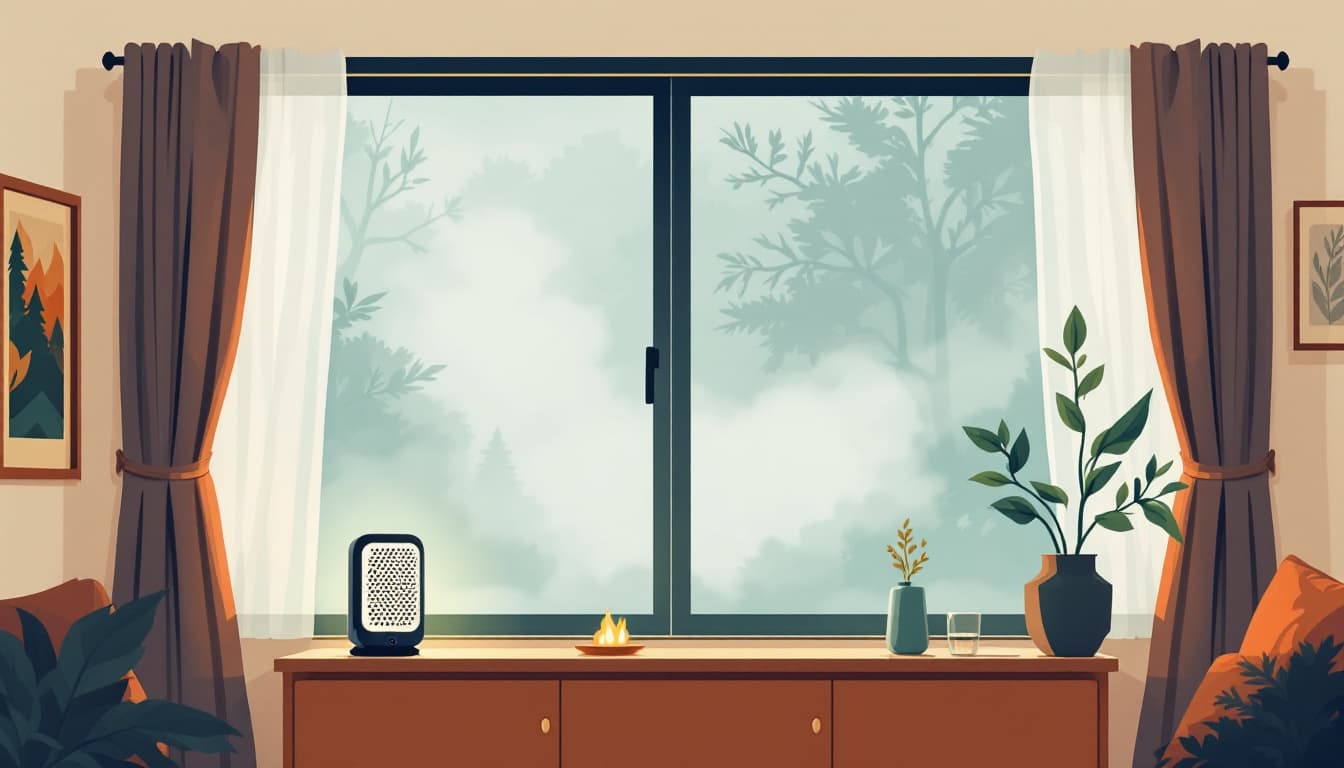
Seal one room. You don't need a whole-house air filtration system. You need one room — ideally a bedroom — that you can make meaningfully cleaner than the rest of the house during a smoke event. Close the vents, use a portable HEPA air purifier (or a DIY box fan + furnace filter combination, which research from the EPA and academic groups has validated as effective), and keep the door closed. This is your smoke shelter. Know which room it is before smoke arrives.
Have a short-duration go/stay decision ready for outdoor events. If you're attending an outdoor event — a game, a concert, a fair — check AQI that morning. If it's already elevated and the forecast shows wind pushing smoke toward your area, have a pre-made decision: we leave at orange, or we don't go at all. Making that call in real time, in a crowd, with a kid who's excited to be there, is much harder than making it at breakfast.
The bigger picture
The World Cup story will be remembered, if it's remembered at all, as a quirky scheduling footnote. But it illustrates something families should take seriously: the assumption that outdoor air is safe air is increasingly unreliable on a day-to-day basis in ways that weren't true a generation ago.
Preparedness for smoke isn't about buying a bunker. It's about owning $30 worth of masks, knowing one number (AQI), and having a plan for one room. That's it. The goal isn't to turn every summer into a survivalist exercise. It's to not be the family caught flat-footed when 80,000 people are coughing in a stadium and wondering what they should have brought.