A Code Orange air quality alert tied to wildfire smoke settled over the DC region this week, according to FOX 5 DC. Washington state residents have watched that same color-coded system activate across Eastern Washington and the Cascades footprint every summer for several years running — and the pattern is arriving earlier in the season each year.
The alert scale matters: Code Orange means air quality is unhealthy for sensitive groups. Code Red means everyone should limit outdoor exposure. Purple means the air is actively hazardous. Most households in Washington don't have a plan that changes with each color. They should.
What's actually changing
Wildfire smoke is no longer a two-week anomaly in late August. Washington state routinely sees smoke events from fires burning in British Columbia, Oregon, and within the state itself — particularly east of the Cascades in Okanogan, Chelan, and Ferry counties. The Washington State Department of Ecology publishes real-time AQI data through its air monitoring network, and the National Interagency Fire Center updates fire perimeters daily during active seasons.
The practical problem isn't the dramatic smoke days that turn the sun red. It's the moderate smoke days — AQI in the 101–150 range — that families ignore because the sky looks only slightly hazy. Fine particulate matter (PM2.5) at those levels accumulates in lungs across an entire season of exposure, and children, older adults, and anyone with asthma are absorbing risk they can't see.
The other piece most coverage misses: indoor air quality during smoke events depends almost entirely on how airtight your home is and what's filtering the air inside it. A house with older windows, a furnace filter that hasn't been changed in four months, and no portable air purifier will have indoor AQI that tracks closely with outdoor AQI — maybe 70-80% as bad. That's not "safe indoors."
What we'd actually do
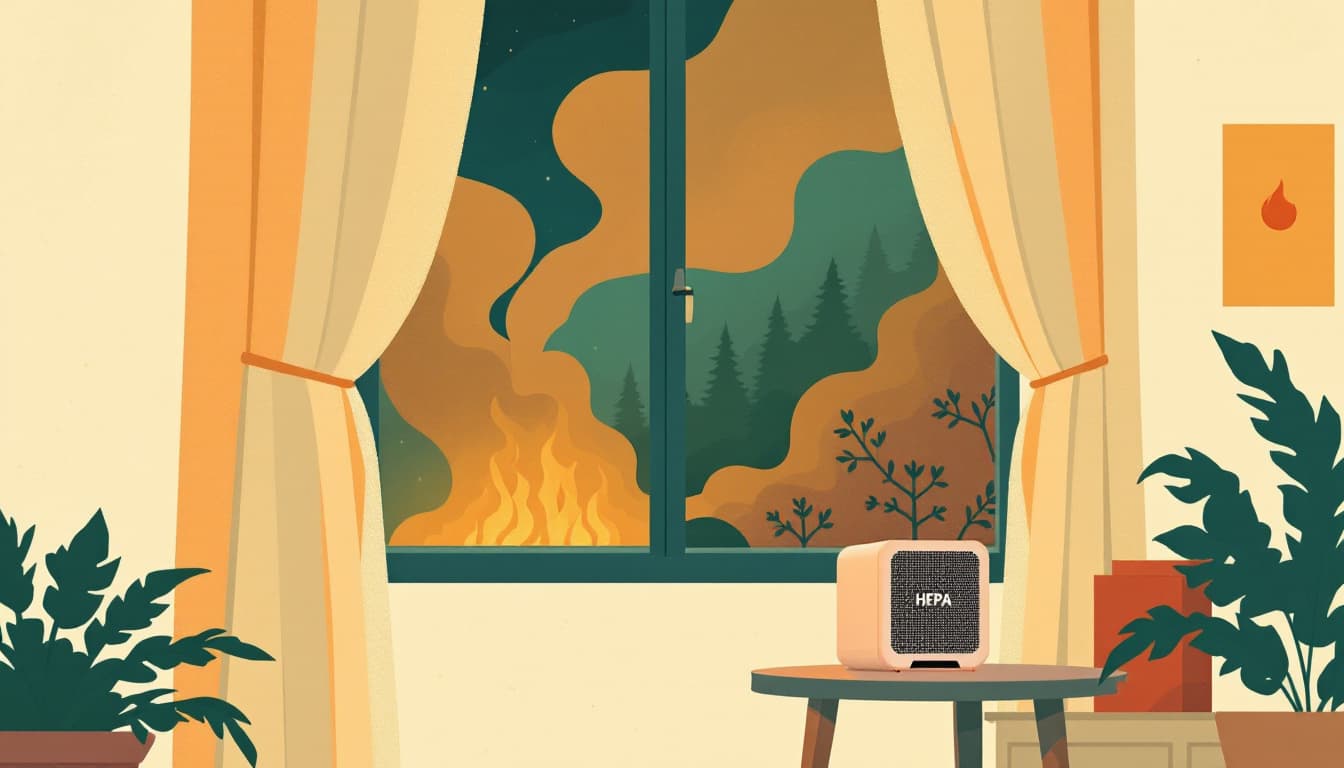
Check your HVAC filter rating and replace it if it's below MERV-13. Standard fiberglass filters in the MERV-1 to MERV-4 range do almost nothing against PM2.5. A MERV-13 filter, which fits most residential forced-air systems and costs roughly $15–25, captures fine particles effectively. During active smoke events, run your system on fan-only mode to circulate air through the filter without pulling in outside air. Check that your system can handle the airflow restriction a MERV-13 creates — some older systems can't; MERV-11 is a reasonable compromise.
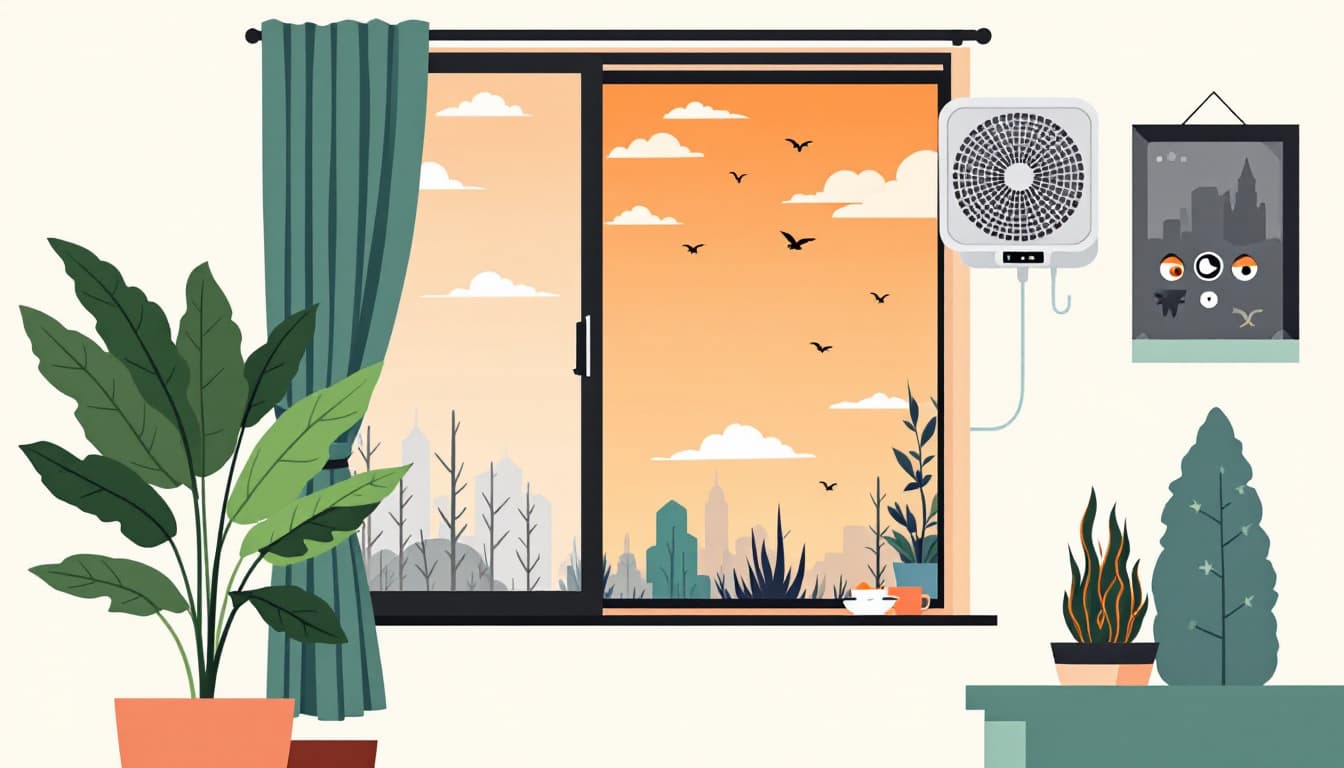
Build a box fan air purifier before you need one. A 20x20-inch box fan with a MERV-13 or better furnace filter taped to the intake side costs around $40–60 total and delivers meaningful air filtration in a single room. This is called a Corsi-Rosenthal box; it's been tested by researchers at UC Davis and performs comparably to commercial purifiers costing several times more. Build one now, store it flat, and deploy it in the bedroom where your family sleeps during smoke events.
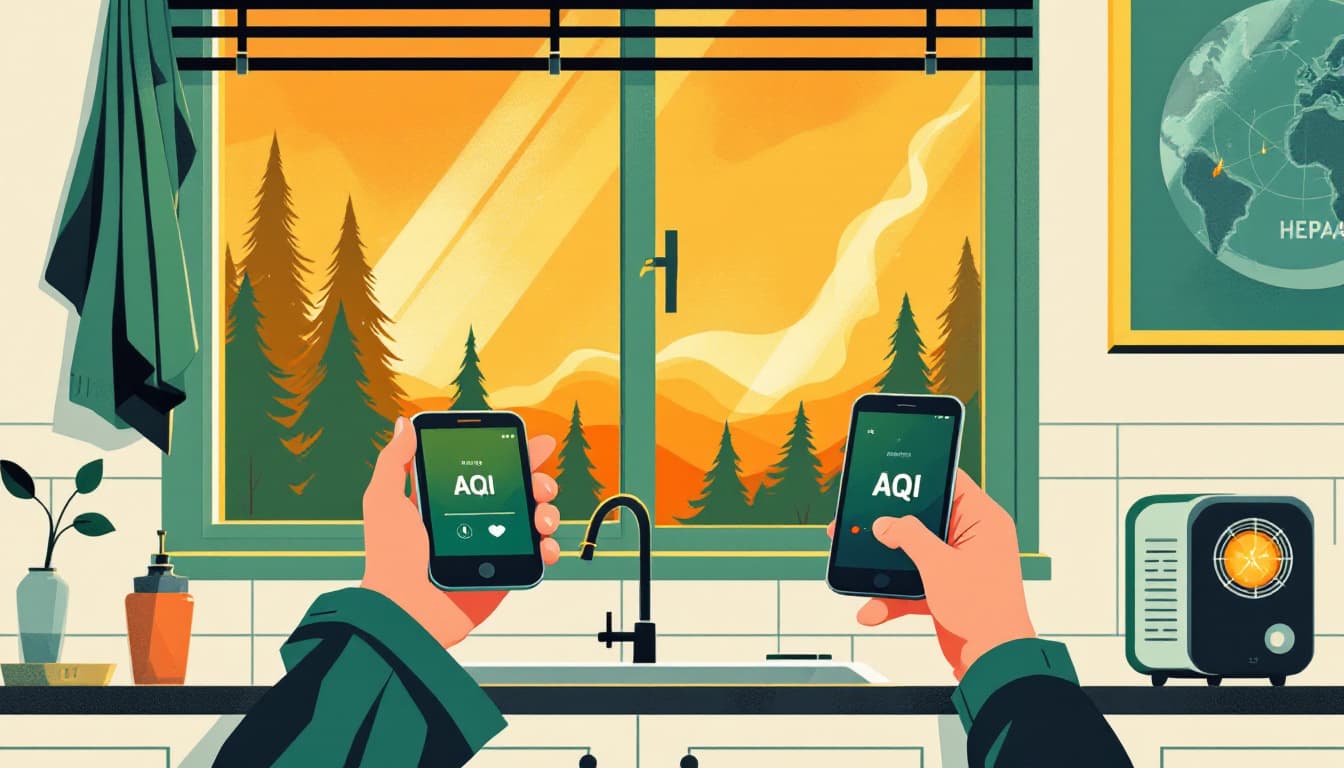
Set up an AQI alert on your phone using AirNow or the Washington Ecology app. Passive awareness — glancing at the sky — is not sufficient. AirNow (airnow.gov) and the Ecology Department's Air Quality Index app both allow location-based notifications. Set an alert at AQI 100 so you have a day's lead time before conditions worsen, not a morning scramble when the smoke is already thick.
Stock N95 masks for outdoor errands during smoke events. The supply chain issues that hollowed out mask inventories in 2020 have largely resolved. A box of 10 N95 respirators costs $15–20 at most hardware stores. They work for smoke the same way they work for pathogens — the filtration mechanism is the same. Surgical masks and cloth masks do not filter PM2.5 adequately. Keep a small supply in your car and at home.
Know your household's vulnerable members and plan accordingly. If you have a child with asthma, an older parent, or a family member with cardiovascular disease, Code Orange is their Code Red. Have a designated "clean room" in your home — ideally a bedroom — where you run the box fan purifier and keep windows sealed. During extended smoke events, that room is where vulnerable family members spend most of their time.
The bigger picture
Washington's smoke season is a recurring infrastructure problem, not a disaster to survive once and forget. The families who weather it best are the ones who treat air quality the way they treat weather: something to monitor routinely, plan around, and adapt to without drama.
None of this requires a bunker or a $600 air purifier. It requires a $20 filter, a $30 fan, and a notification set on your phone. That's the version of preparedness that actually holds.