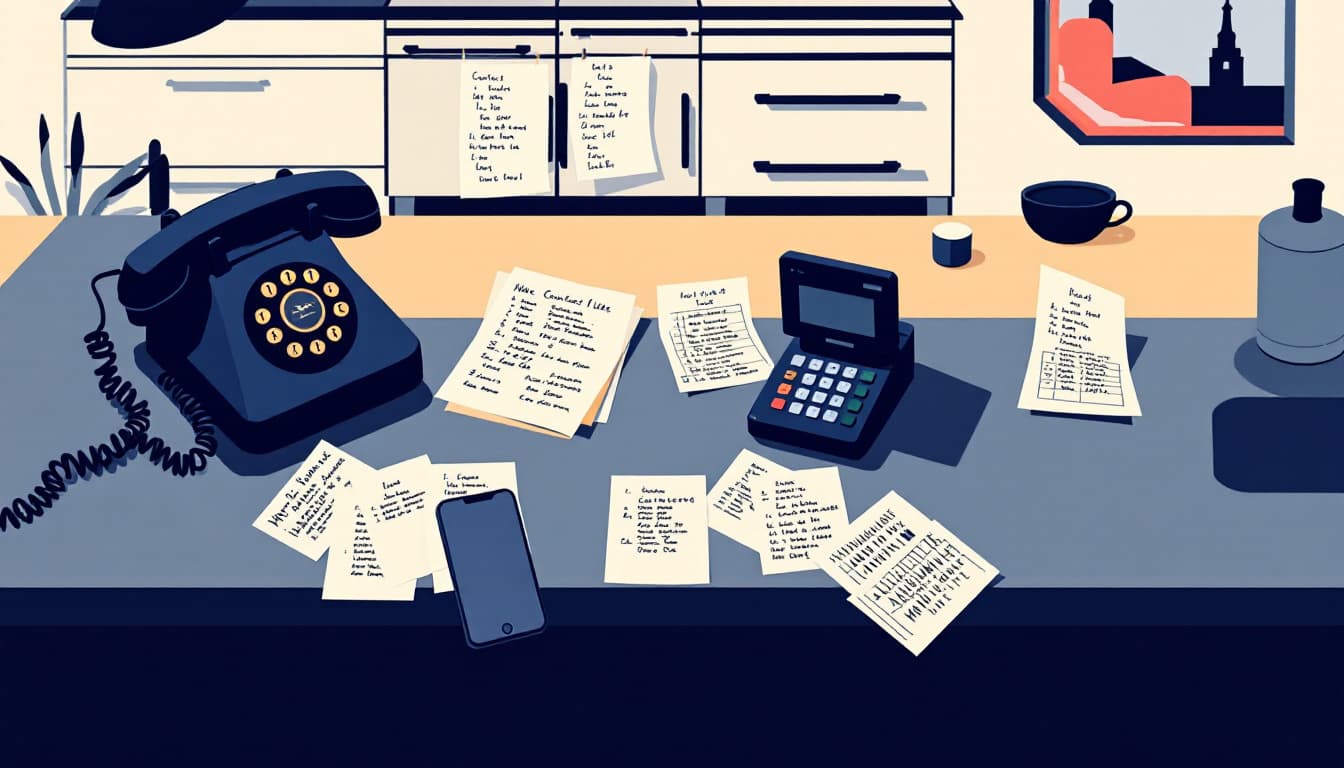
Sometime in the last decade, the neighborhood telephone tree quietly went extinct. Not because of a policy decision or a disaster — it just stopped being tended. The person who kept the list moved away, or switched numbers, or died. Nobody appointed a replacement. The list itself is probably a laminated sheet in a junk drawer somewhere, with area codes that no longer exist.
What filled the gap? Roughly nothing.
This is the pattern worth sitting with. Across emergency preparedness, households have gotten materially better at stocking things — water, food, medication, batteries — and meaningfully worse at the coordination layer that determines whether those things actually help anyone when something goes wrong. The gear improved. The social infrastructure rotted.
The case for coordination isn't sentimental. It's logistical.
During the widespread western power outages of the past several years, the households that came through best weren't always the ones with the most supplies. They were the ones that knew which neighbor had a generator, which family down the block had a medically vulnerable member, and who had a truck. That knowledge doesn't live in a bug-out bag. It lives in relationships that have to be maintained in advance — which is exactly what modern preparedness culture tends to ignore.
Preparedness as an industry sells things. Things are tangible, shippable, reviewable. A practiced system for checking on your elderly neighbor after a derecho is none of those things. So it doesn't get sold, and it doesn't get built.
The result is a strange inversion: households that score well on gear inventories but have no idea what their neighbors' last names are, no agreed-upon out-of-area contact for family members to check in with after a regional event, and no plan for the three hours between "something happened" and "official information arrives."
The counterintuitive part is where the real risk accumulates.
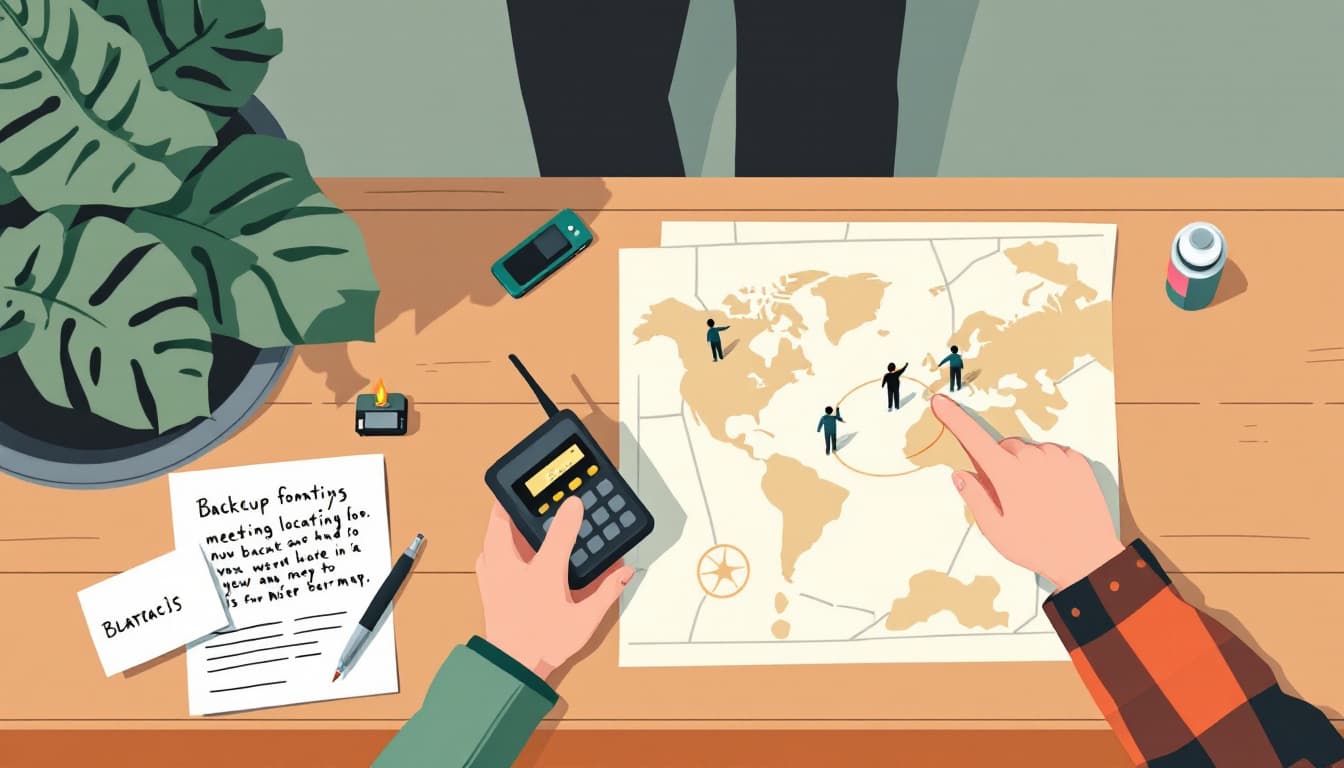
Most people frame communication preparedness as a technology problem. Get a weather radio. Get a hand-crank radio. Store backup charging cables. These are fine. But the deeper failure mode isn't hardware — it's that families haven't decided in advance who calls whom, what the trigger conditions are, and where the fallback meeting point is.
FEMA has pushed the "family communication plan" concept for years, and surveys consistently find that most households haven't completed one. The friction isn't the work — the work is genuinely simple. The friction is that it requires a family meeting, which requires admitting that something might go wrong, which activates exactly the psychological avoidance that keeps most households under-prepared in the first place.
The telephone tree didn't die because it was a bad idea. It died because maintaining it required ongoing social labor — calls, updates, corrections — and that labor is invisible until the moment it's missing.
There's a larger pattern here about how preparedness coverage, including ours, tends to overweight the physical and underweight the relational. A water calculator tells you how many gallons to store. Nothing equivalent helps you audit your coordination infrastructure: who knows your family's out-of-area contact number, whether your kids know your spouse's cell from memory, which neighbor you've actually told about your household's medical needs.
The telephone tree was a piece of social technology. It was clunky and it required a human being to maintain it, and it worked because the maintaining was the point — it was regular contact, repeated updates, and someone who knew everyone's situation well enough to know when a name was missing from the roll.
Whatever replaces it probably shouldn't look like an app. Apps require everyone to have power, a signal, and the same platform. The replacement is more likely to be a three-minute conversation you have with one neighbor, then another, then another — until you know, collectively, who is home, who has what, and who will check on whom if the phones go dark for a while.
That's not a new idea. It's an old one that we let lapse, and the lapsing was so gradual that most households didn't notice until the moment they needed something that wasn't there.