A bag of frozen blueberries is the kind of thing that sits in a Tennessee household's freezer for months — bought for a smoothie habit, used twice, mostly forgotten. That's exactly what makes a contamination recall like this one easy to miss and potentially serious.
A report this week from aol.com flagged a recall of frozen blueberries sold in Tennessee over reports of E. coli contamination. The details at the consumer level are thin — the report doesn't specify brand names, lot numbers, or retail chains in the excerpt — so the first move is going directly to the FDA's recall database to find the current listing. That is not optional. The difference between a recalled lot and a safe bag often comes down to a five-digit code stamped near the barcode.
What's actually happening
E. coli contamination in frozen fruit is not a new category of risk. Freezing does not kill E. coli O157:H7 or related strains — it suspends them. When a contaminated product thaws partially during a smoothie prep or sits at room temperature for a few minutes, viable bacteria are still present. The illnesses associated with this pathogen range from stomach cramping and diarrhea to, in vulnerable people, hemolytic uremic syndrome, a serious kidney complication.
The supply chain pressure point here is typically at the processing and packaging stage, not the farm itself. Frozen fruit often travels through multiple wash and freeze facilities before retail. A contamination event at one facility can affect product distributed across several states simultaneously — which is why Tennessee appears alongside other states in these recalls rather than as an isolated incident.
The practical issue for households is the lag time. By the time a recall is announced, product has typically been in consumer freezers for weeks. The average household doesn't subscribe to FDA recall alerts and won't hear about this from a news push notification until a day or two after announcement, if at all.
What we'd actually do
Go to the FDA recall database tonight, not tomorrow. Search recalls.fda.gov for the current blueberry recall, get the exact brand and UPC, and check your freezer before you use that product again. The FDA database is searchable by product type and updates within hours of an announcement. Tennessee households buying frozen fruit at Kroger, Walmart, ALDI, or any regional grocery chain are all potentially in scope.
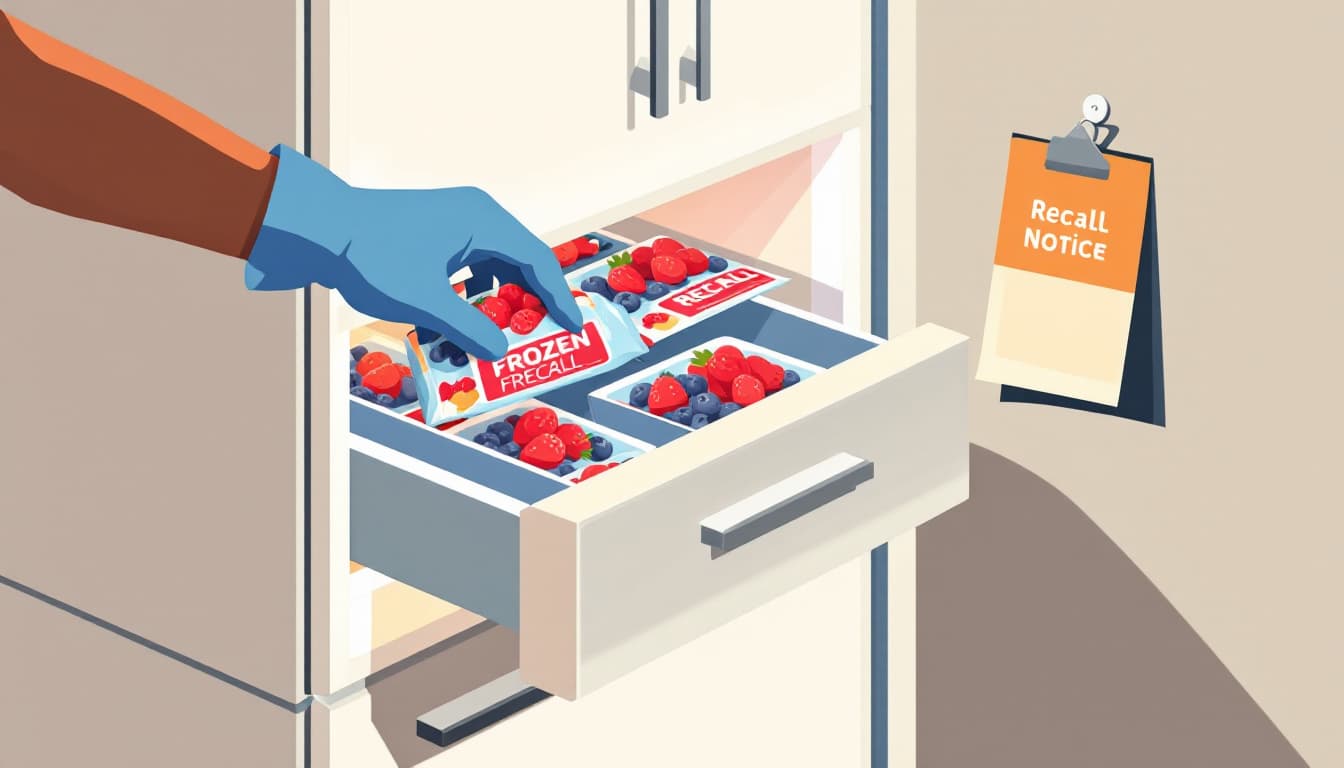
Don't rely on the store to tell you. Retailers are required to pull recalled product, but the timeline between FDA announcement and shelf removal varies. If you bought frozen blueberries in the last two to three months and still have the bag, treat it as suspect until you verify the lot number against the recall listing. When in doubt, do not taste-test — discard the bag in a sealed container and wash the freezer shelf.
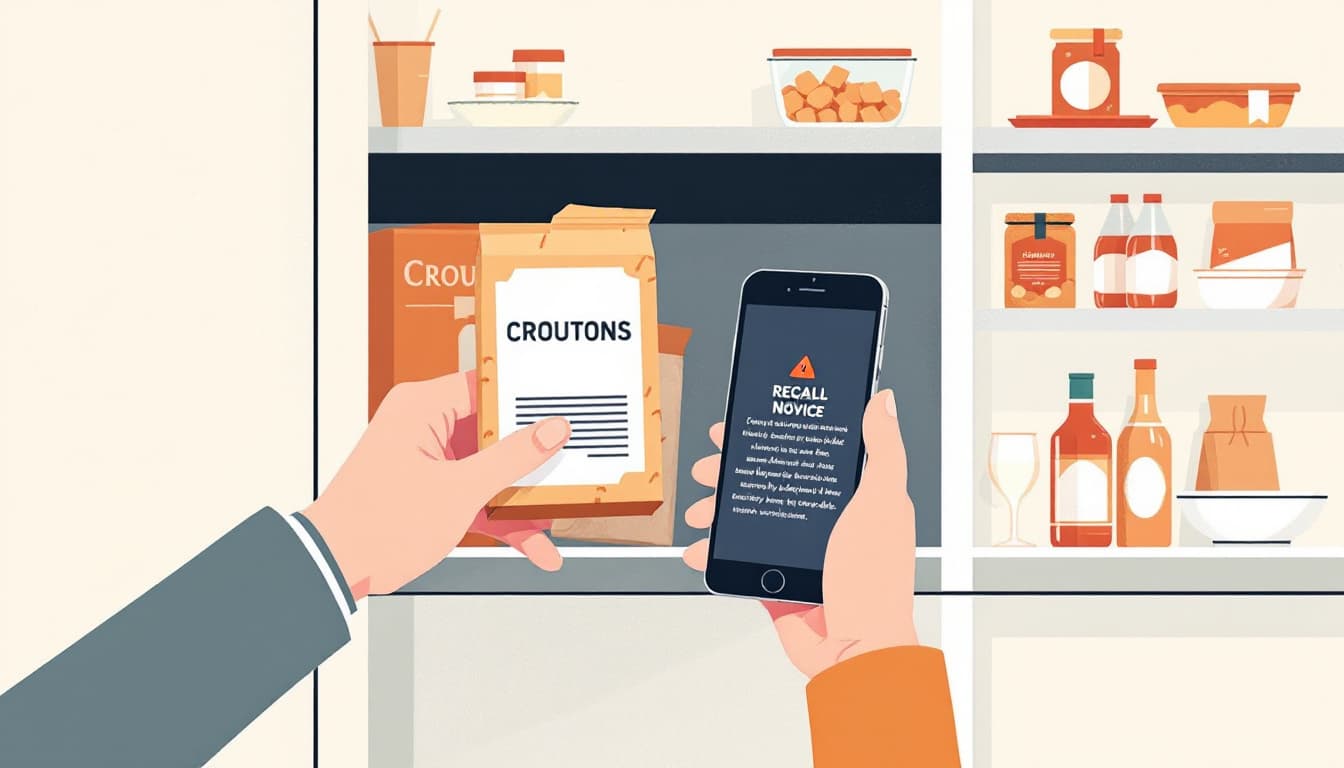
Sign up for FDA MedWatch or USDA food safety email alerts. Go to fda.gov/safety/recalls-market-withdrawals-safety-alerts and subscribe. Takes about two minutes. You'll get an email the same day a Class I recall — the highest-risk category — is announced. This is the single highest-leverage action most households skip.
Build a freezer audit into your quarterly rotation. If you rotate pantry stock, add frozen goods to the same cycle. Every three months, pull everything out, check dates and lot numbers against current FDA and USDA recall databases, and toss anything you can't identify. It takes twenty minutes and it turns recall response from a reactive scramble into a routine check.
Know the E. coli symptom window. Symptoms typically appear two to eight days after exposure. If anyone in your Tennessee household develops bloody diarrhea, severe stomach cramps, or a sudden drop in urine output within that window after eating frozen fruit, contact a physician and mention the potential exposure explicitly. Pediatricians and urgent care providers may not ask about frozen fruit as a source unless you raise it.
The bigger picture
Recalls are not rare events. The FDA and USDA issue hundreds of them annually across food categories. The households that handle them well aren't the ones with the most gear or the most elaborate pantries — they're the ones with a simple, practiced habit of checking and rotating. A frozen bag of blueberries is a low-drama situation with a straightforward response. The goal is to make that response automatic, so when a higher-stakes recall or shortage comes along, the habit is already in place.
Durability isn't about stockpiling everything. It's about knowing what's in your house and staying current on what's safe.