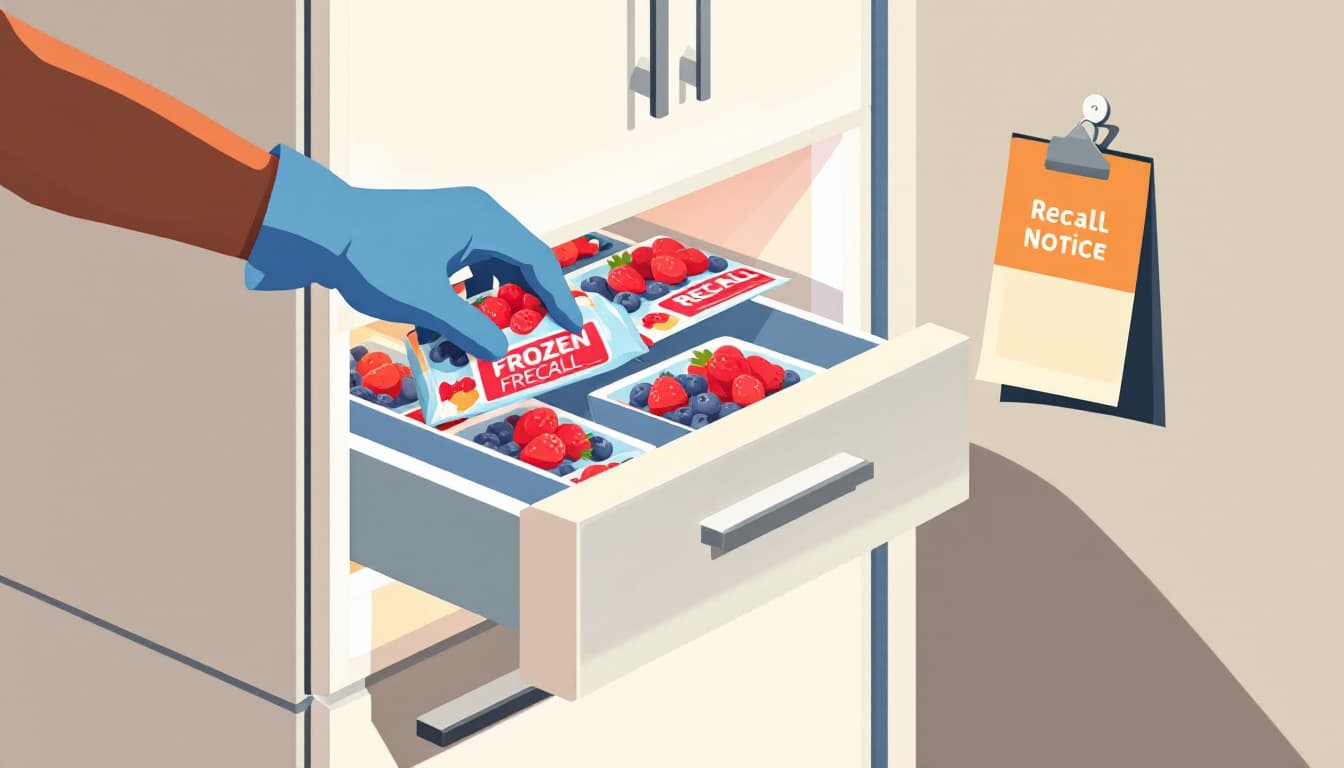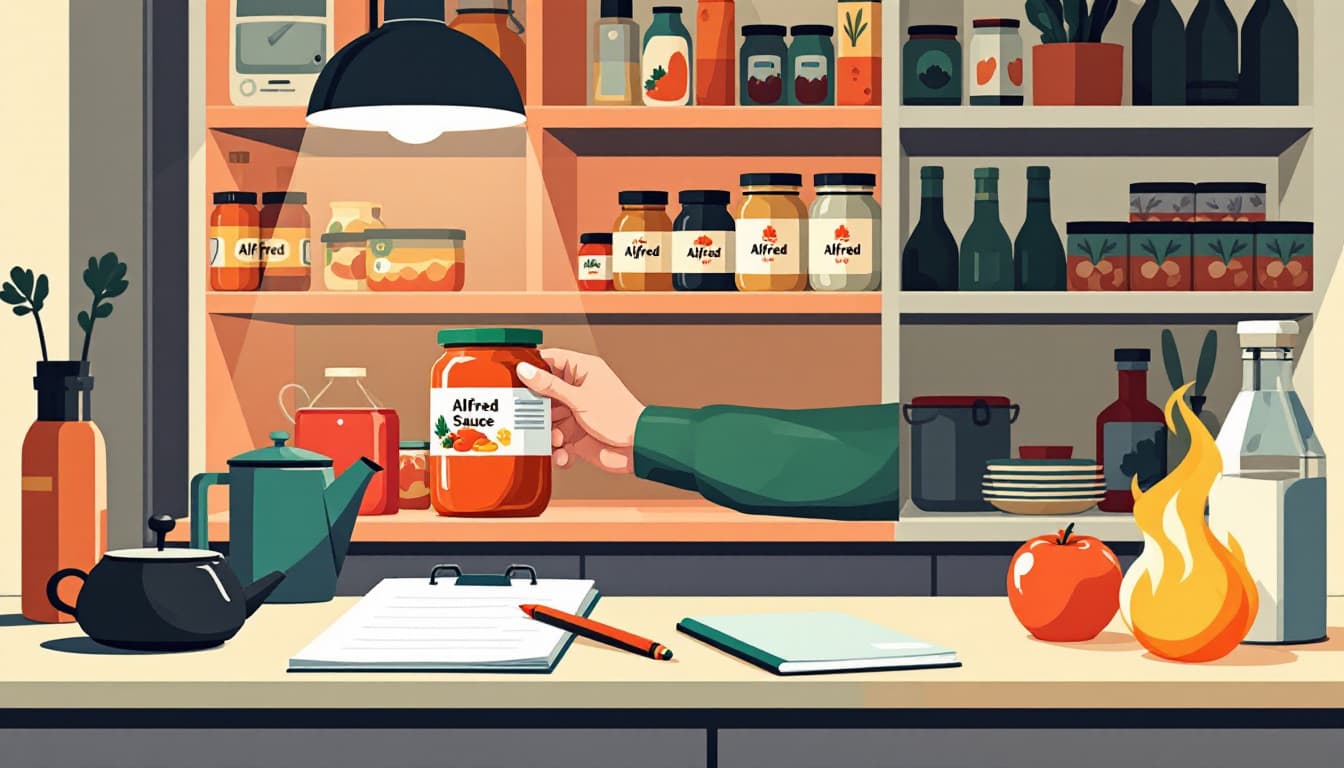
A jar of Alfredo sauce sitting in a Tennessee pantry right now may be subject to a voluntary recall. A report this week from NewsNation flagged a Salmonella-related recall covering a jarred Alfredo sauce distributed across 41 states — Tennessee is among them.
Salmonella in a shelf-stable pasta sauce is not a headline you see often, and that alone is worth pausing on.
What's actually happening
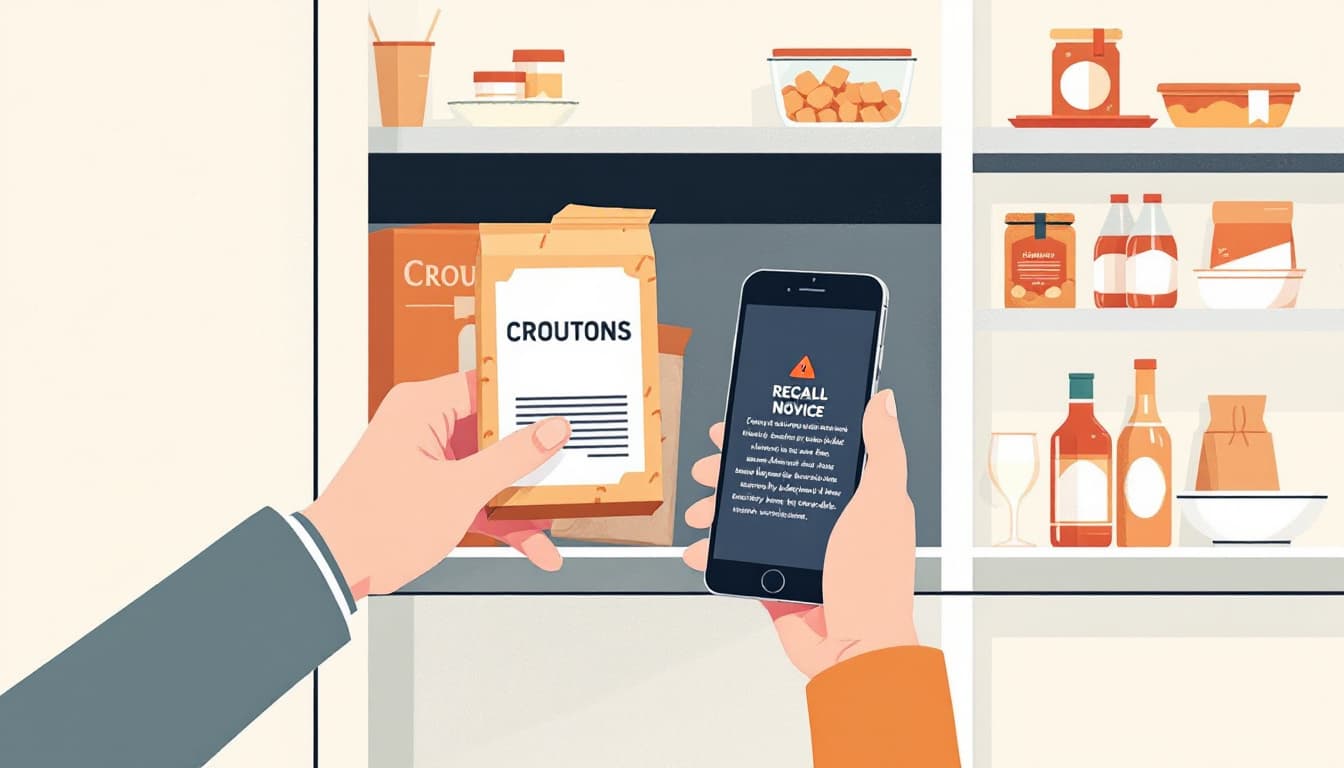
Most Salmonella outbreaks trace to fresh produce, raw poultry, or dairy. A jarred sauce — cooked and sealed — reaching consumers with contamination risk points to a post-processing issue, likely in add-ins (cheese, herbs, cream solids) or packaging environment. The FDA's recall database is the authoritative source: search recalls.fda.gov using the brand name on your jar, check the lot code on the lid or base, and match it against the specific UPC and date range listed. Do not rely on store signage alone. Retailers pull product at different speeds, and some Tennessee grocery locations may still have affected jars on shelves during the first 48 to 72 hours of a recall.
Salmonella illness typically shows within six to 48 hours of exposure: fever, abdominal cramps, diarrhea. Most healthy adults recover without hospitalization, but children under five, adults over 65, and anyone immunocompromised face higher risk of serious illness. Tennessee's TDOH (Tennessee Department of Health) maintains a foodborne illness reporting line if you believe you've been affected — that data matters for tracking outbreak scope.
What this means for how you store food
One recall doesn't indict your pantry. But it is a useful prompt. Most households running a preparedness pantry — even a modest one — keep multiple jars of pasta sauce, canned goods, and shelf-stable meal components. The problem is that few people track lot codes or purchase dates on those items, which means a recall notice often arrives after the jar is already gone or already eaten.
Preparedness culture tends to romanticize the deep pantry. The quieter discipline is knowing what's in it. A pantry you can't audit is not a preparedness asset; it's a blind spot.
What we'd actually do
Check your jars today, not this weekend. Pull every jar of Alfredo or cream-based pasta sauce from your pantry, check the brand, and look up the exact UPC and lot code against the FDA recall listing. The lookup takes four minutes. If you find a match, do not taste-test it to see if it "seems fine." Salmonella has no smell or visible marker.
Whole Foods, Kroger, Publix, and independent grocers across Tennessee will process refunds or exchanges on recalled product without a receipt in most cases — the brand or manufacturer covers the cost. Call ahead to your nearest store if you want to confirm their process before making the trip.
Log what you buy going forward. A simple note in your phone — brand, product, lot code, purchase date — for any pantry staple over $6 takes ten seconds at checkout and makes future recall checks a 90-second job. You don't need an app. A note labeled "Pantry Log" works.
Know your TDOH reporting channel. Tennessee households rarely know that the state has a direct foodborne illness reporting mechanism. Bookmark health.tn.gov and locate the "Report Foodborne Illness" page now, before you need it. If multiple family members get sick after the same meal, a report helps health investigators map whether an outbreak is isolated or widening.
Revisit your shelf-stable meal plan with contamination in mind. If your emergency food supply leans heavily on one or two sauce brands, a recall creates a real gap. Rotate in variety — different brands, different manufacturers — so a single product pull doesn't strand your meal plan. This applies especially to households in rural Middle or East Tennessee where the next grocery run may be 30 minutes away.
The bigger picture
Recalls are a routine function of a food safety system that mostly works. The FDA issued hundreds of food recalls last year; most get resolved quietly. What's unusual about a Salmonella finding in a cooked, sealed product is the mechanism — and that's worth the agency and manufacturer investigating carefully.
For Tennessee households, the takeaway is less about this specific jar and more about the habit: know what's in your pantry, know how to check it, and know who to call. A family that can answer those three questions in under ten minutes is more prepared than one with a basement full of unlabeled cans.
Durability comes from knowing your inventory, not from the size of it.