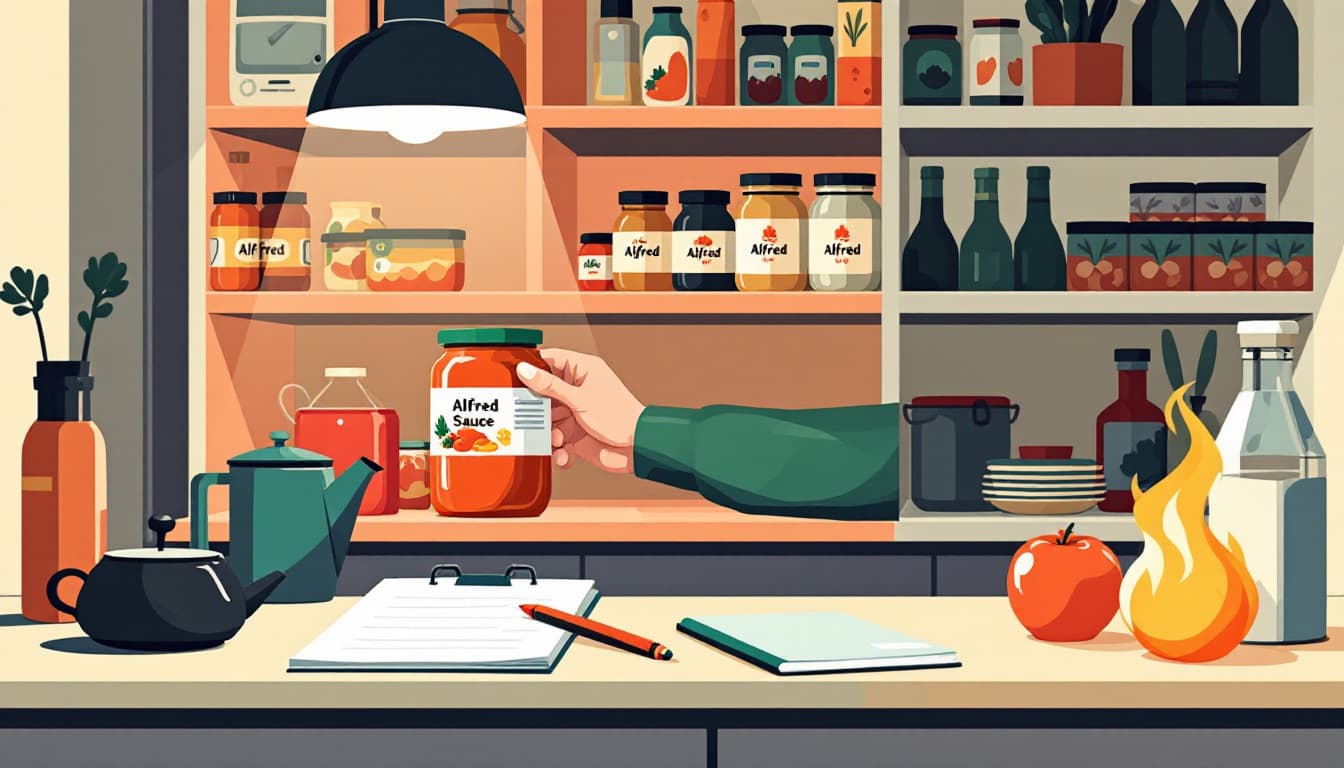
A jar of Alfredo sauce sits in roughly half the pantries in America. This week, that jar became a Class I recall.
ABC News reported that the FDA upgraded a recall of Alfredo sauce to its highest risk classification due to potential salmonella contamination. Class I is the agency's most serious designation — it means the FDA has determined that a product creates a reasonable probability of causing serious adverse health consequences. That is not routine language. The FDA uses it deliberately.
What's actually changing
The recall itself is the news. The bigger story for households is what it reveals about how most families store and track packaged food.
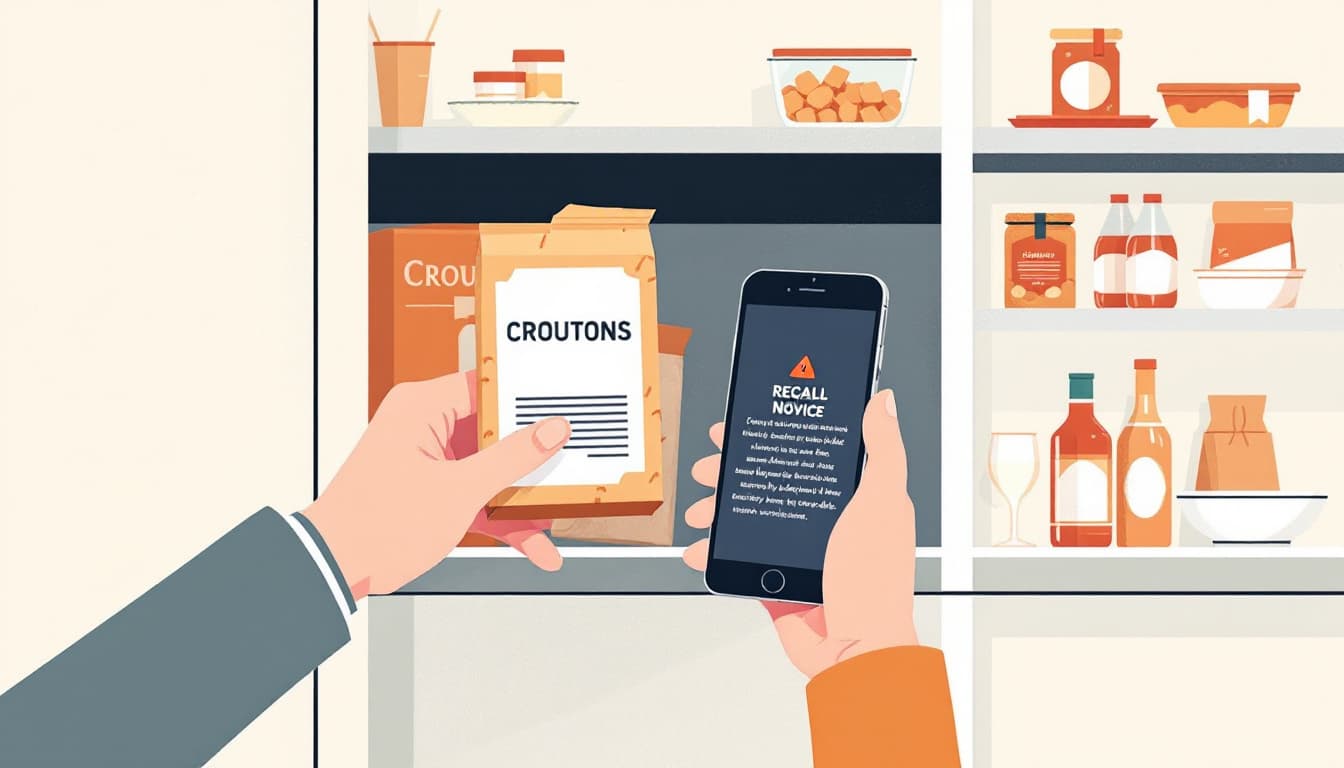
Most pantry stockpiles — whether a prepper's three-month supply or a working family's weekend overflow shelf — accumulate faster than they get audited. Jars get pushed to the back. Labels face the wall. Lot numbers are never checked against the FDA's recall database. That's not a failure of character; it's how real kitchens work. But it creates a gap: you can be eating a recalled product for weeks without knowing it.
Salmonella is worth taking seriously. It hospitalizes tens of thousands of Americans annually, according to CDC estimates, and the very young, elderly, pregnant, and immunocompromised face elevated risk. Tennessee's summer heat matters here too. If recalled jars were stored improperly during transport or retail — something more common in the warm months between Memphis distribution hubs and Appalachian ridge communities — contamination risk compounds.
The Tennessee Department of Health maintains an active food recall page that mirrors federal announcements, but most households have never bookmarked it. That's the quiet gap this recall exposes.
What we'd actually do
Check your pantry against the FDA recall database this week, not eventually. The FDA's recall search tool at fda.gov/safety/recalls-market-withdrawals-safety-alerts lets you search by product name or company. It takes four minutes. Pull out every jarred pasta sauce, shelf-stable cream sauce, or similar product and compare lot numbers to what's listed. The relevant lot information will be on the FDA's recall announcement, not just the news coverage.
Set a recurring calendar reminder to run a pantry audit every 90 days. One of the most consistent patterns in household food safety failures is time drift — things bought in February are forgotten by May. A quarterly 20-minute audit, checking dates and cross-referencing any active recalls, closes that gap. Pair it with something you already do: quarterly utility payments, back-to-school season, tax season.
Subscribe to FDA MedWatch or the USDA's recall email list for automatic alerts. Both agencies offer free email notification services. This is the lowest-effort action on this list. You get an email when a Class I or Class II recall is issued, and you can decide whether it affects your household. Tennessee Extension offices — through UT Extension, which covers all 95 counties — also push food safety alerts and are worth following on social media if email isn't your preference.
Stop treating "shelf-stable" as a synonym for "indefinitely safe." Pantry staples do not spoil the way fresh food does, but they are not immune to contamination events during manufacturing. Rotating stock — first in, first out — and writing the purchase date on lids with a marker costs nothing and ensures older product gets used before it gets forgotten.
If anyone in your household is symptomatic, call rather than wait. Salmonella symptoms — fever, diarrhea, stomach cramps — typically appear within 12 to 72 hours of exposure. If a household member develops those symptoms and you have recently consumed a product matching the recall, contact your physician or the Tennessee Poison Control Center (1-800-222-1222) before assuming it's a routine stomach bug.
The bigger picture
A single jarred sauce recall is not a sign that the food supply is collapsing. It is a sign that large-scale food manufacturing produces occasional failures, and that households who pay attention respond faster than those who don't. Durability as a household goal is not about stocking a bunker — it's about having enough information, and enough system, to catch problems before they become injuries.
The families who fare best in situations like this are not the ones with the most food stored. They're the ones who know what they have, where it came from, and whether it's still safe to eat.