A loaf of bread is not a high-stakes pantry item — until it is. A report this week from WATE 6 On Your Side confirmed that Pillsbury has recalled two bread products sold in Tennessee due to potential glass contamination. Glass. In bread. The kind of thing you don't notice until someone bites down.
This is not a drill scenario. It is a routine failure in industrial food production that happens more often than most households track, and it lands in Tennessee kitchens because the state sits squarely in the regional distribution footprint of major grocery chains spanning from Memphis to Kingsport.
What's actually happening
Glass contamination in packaged food usually traces to a broken component somewhere in the production line — a jar, a conveyor sensor housing, a filling machine part. The FDA's recall database consistently lists foreign material contamination among the top reasons for Class I and Class II food recalls, meaning these are not rare edge cases.
What makes this recall worth paying attention to is not the drama of it. It's the quiet way most households miss recalls entirely. The USDA and FDA both operate recall notification systems, but enrollment is low. Most people learn about a recall from a news segment, if at all — and by then, the product has often been consumed or sits forgotten in a cabinet.
Tennessee households face one additional friction: a large share of rural grocery shopping happens at regional chains and dollar-format stores where shelf turnover is slower and recalled products can linger longer than in high-volume urban stores. If you bought this bread at a Dollar General in Cookeville or a small IGA in Crossville, the odds that someone pulled it from the shelf the day the recall dropped are not high.
What we'd actually do
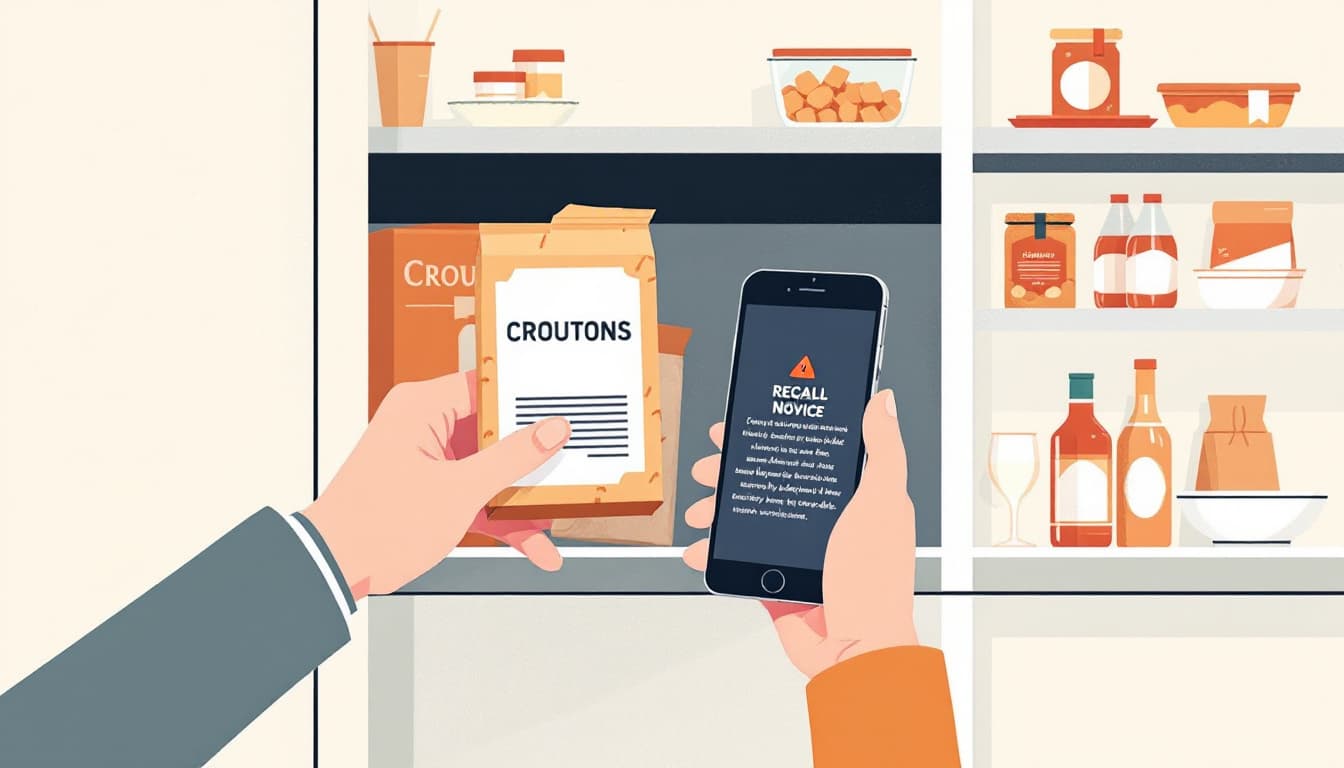
Check your bread bag against the FDA recall database right now. Go to fda.gov/safety/recalls-market-withdrawals-safety-alerts and search "Pillsbury bread." Look at the UPC codes and lot numbers in the official notice, then check what's in your pantry. This takes four minutes. Don't rely on memory — actually look at the bag.
Sign up for FDA and USDA recall email alerts. Both agencies offer free email subscriptions that push notifications when new recalls are posted. The FDA's system is at fda.gov/safety/fd-c-recalls and USDA's Food Safety and Inspection Service runs a parallel list at fsis.usda.gov. This is the single highest-leverage thing a food-buying household can do, and almost no one does it. Set it up once, leave it running.
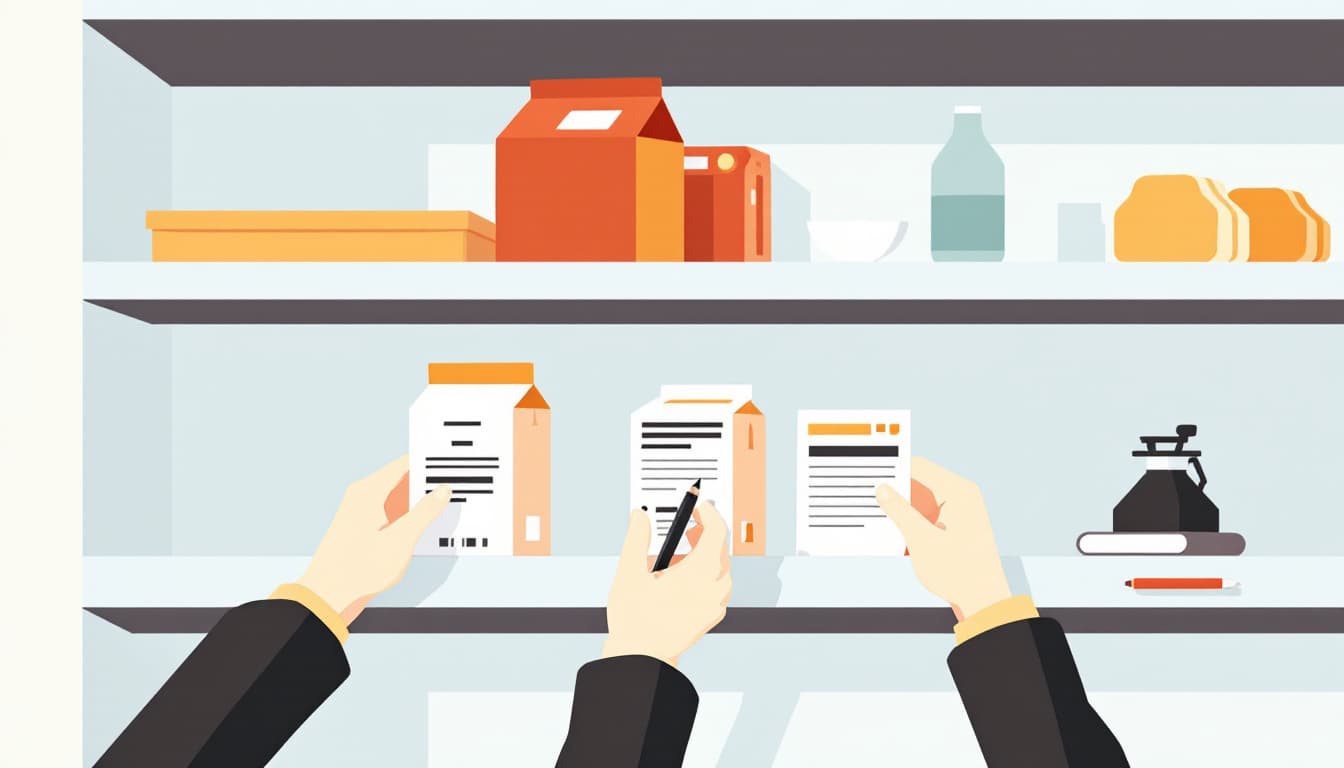
Build a simple pantry log for any recalled product categories. You don't need an app. A running note on your phone — brand, product, approximate purchase date — for shelf-stable breads, canned goods, and frozen items creates a reference point when recalls hit. Most households can't remember what brand of bread they bought two weeks ago. A thirty-second log after grocery runs changes that.
Return the product; do not bin it. Pillsbury recalls typically allow for a full refund without a receipt. Take the product back to the store where you bought it, or follow the contact instructions in the official recall notice. Throwing it away means you absorb the cost of someone else's production failure. Tennessee consumers are entitled to refunds on recalled food products — use that.
Talk to whoever does the shopping in your household. If you're reading this but your partner or a family member buys most of the groceries, this information doesn't help unless it reaches them. Forward the WATE story. Show them where to find the FDA recall page. Preparedness built on one person's knowledge is fragile.
The bigger picture
Food recalls are not a sign that the food supply is collapsing. The FDA issues dozens of them every month, and the majority are precautionary — a potential risk, not a confirmed injury. The system largely works. What doesn't work is household awareness, because the notification infrastructure assumes people are actively monitoring it.
Tennessee families who eat from a pantry — and most do, especially in rural counties where a grocery run is a thirty-minute drive — have more exposure to recalled products simply because of purchase-to-consumption timelines. The fix is not paranoia or stockpiling alternatives. It's a subscription to a government email list and a two-minute check when you hear a recall mentioned on the news.
Durability looks boring from the outside. That's the point.