A report this week from edhat puts it plainly: dangerous heat is gripping Southern California, with inland areas — think the Inland Empire, the San Fernando Valley, and the Coachella and San Joaquin valleys — pushing into triple digits. The National Weather Service issues excessive heat warnings when this happens, and Cal ISO, the operator of California's electrical grid, begins watching demand curves the way a pilot watches fuel gauges.
That last detail is the one most households skip over. The heat itself is uncomfortable. A grid failure during the heat is a medical emergency for anyone elderly, very young, or managing a condition that requires refrigerated medication.
What's actually changing
California's grid has gotten meaningfully more reliable over the past several years, partly through battery storage additions that now allow stored solar energy to cover early-evening demand spikes. That is real progress. It does not make you immune to a localized outage, a transformer failure on your distribution circuit, or a rolling reduction if multiple regions spike simultaneously.
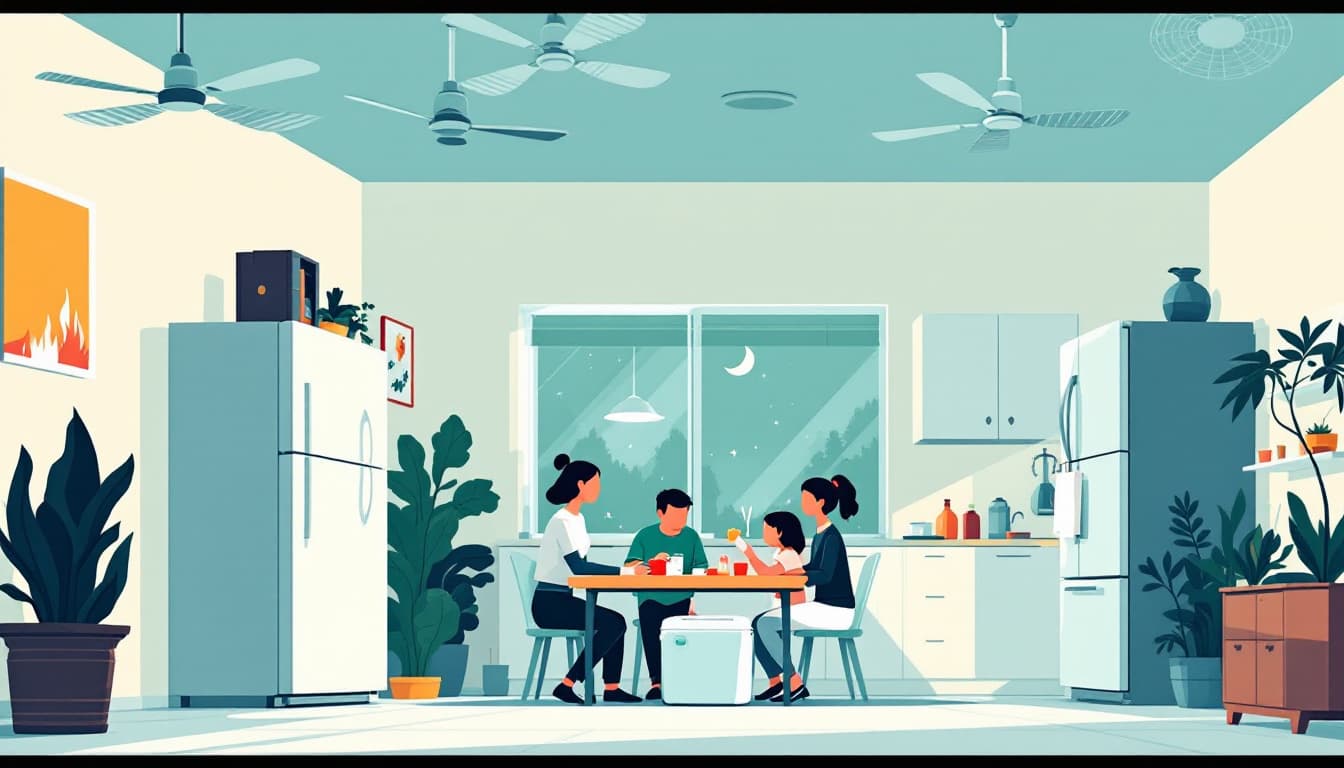
The pattern edhat is describing — inland temperatures in triple digits — is precisely the scenario where distribution infrastructure, not bulk generation, tends to fail. Transformers on residential streets overheat. Underground cables in older neighborhoods reach thermal limits. The outage you'd experience is usually a few blocks wide and a few hours long, not a statewide blackout. But a few hours at 108°F indoors is long enough to matter.
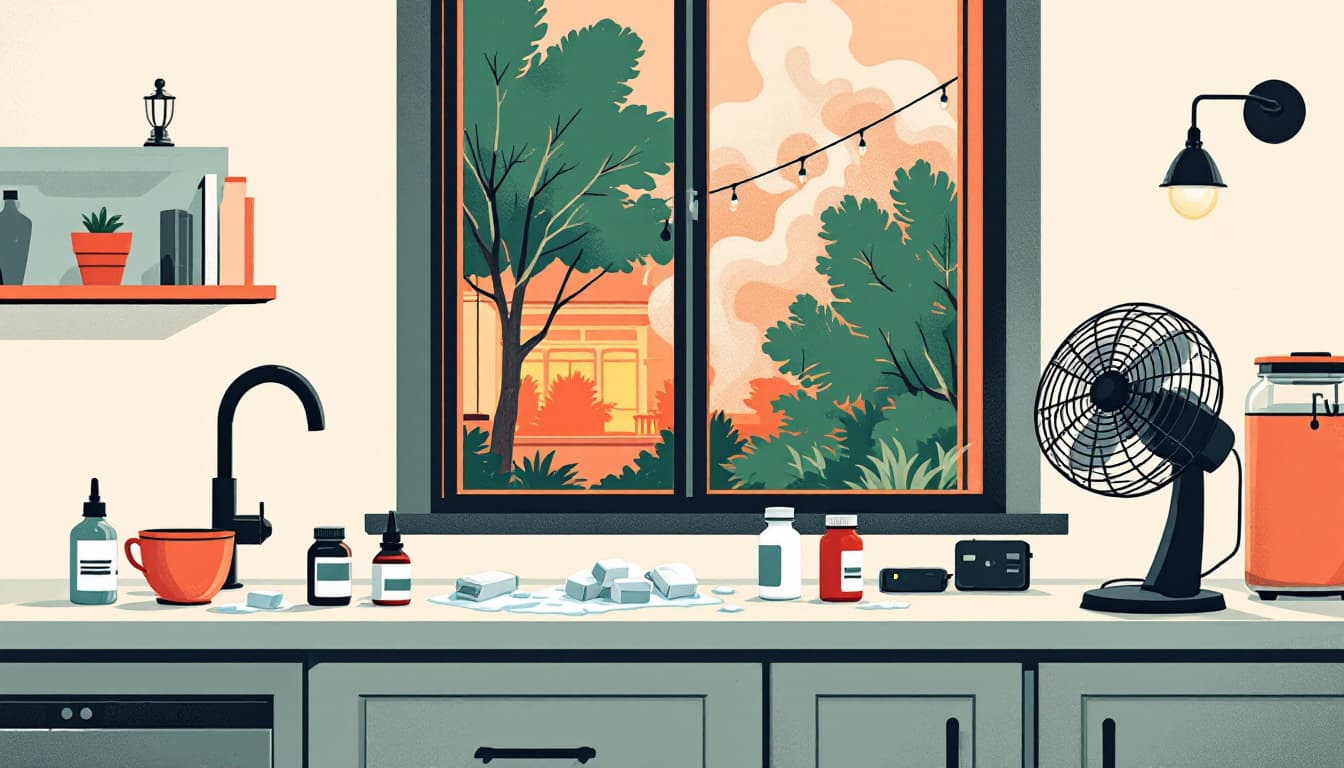
There is also a medication problem most preparedness writing ignores. Insulin, certain biologics, and some cardiac and psychiatric medications require refrigeration. A four-hour outage can push an unrefrigerated medication outside its safe temperature range before many households even realize they have a problem. FEMA and the FDA both publish guidance on this, but almost no one reads it until after a loss.
What we'd actually do
Confirm your utility's Medical Baseline and CPUC Medical Exemption programs before the next heat event, not during it. PG&E, SCE, and SDG&E all offer reduced rates and enhanced outage notification for households with qualifying medical needs. The enrollment process is straightforward but requires a physician's signature. It does not prevent outages, but it does put your address on a priority restoration list and gets you advance notice of planned shutoffs. If anyone in your home uses electricity-dependent medical equipment or refrigerated medication, this enrollment is worth one hour of paperwork.
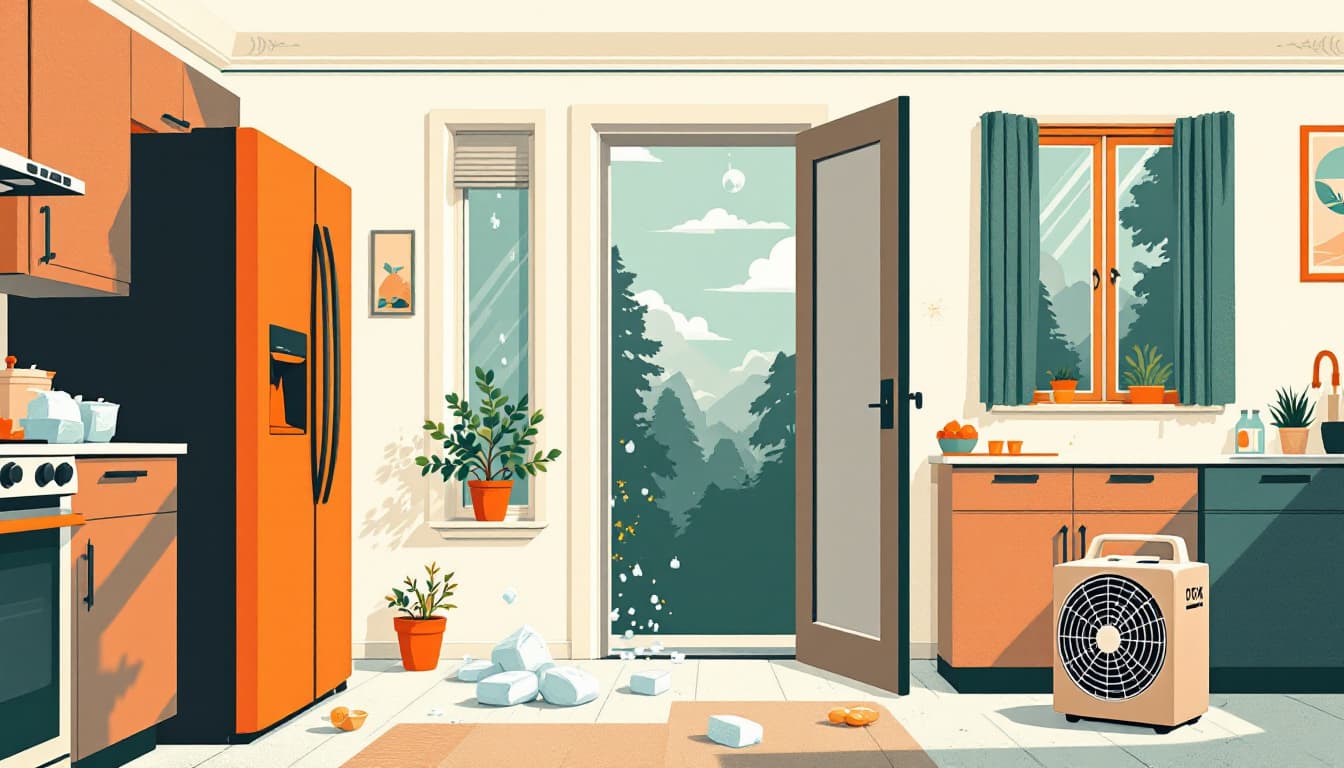
Build a 72-hour medication cold-chain plan right now. A small medical-grade cooler and a set of phase-change ice packs (the kind that hold 39°F longer than gel packs) cost under $60 total. More importantly, call your pharmacist today and ask specifically: "If this medication is unrefrigerated for four hours at 90°F, is it still safe?" Write the answer down. Pharmacists will tell you; most patients never ask. Some medications are more tolerant than the label implies; some are not.
Identify your nearest cooling center and confirm its hours before you need it. Every California county operates cooling centers during excessive heat warnings — L.A. County, Riverside County, San Bernardino County, and others publish lists through their OES offices. The addresses change seasonally. Look it up now, save it in your phone, and tell every adult in your household where it is. A cooling center is not a last resort for someone else; it is infrastructure you pay for through taxes and should use without hesitation.
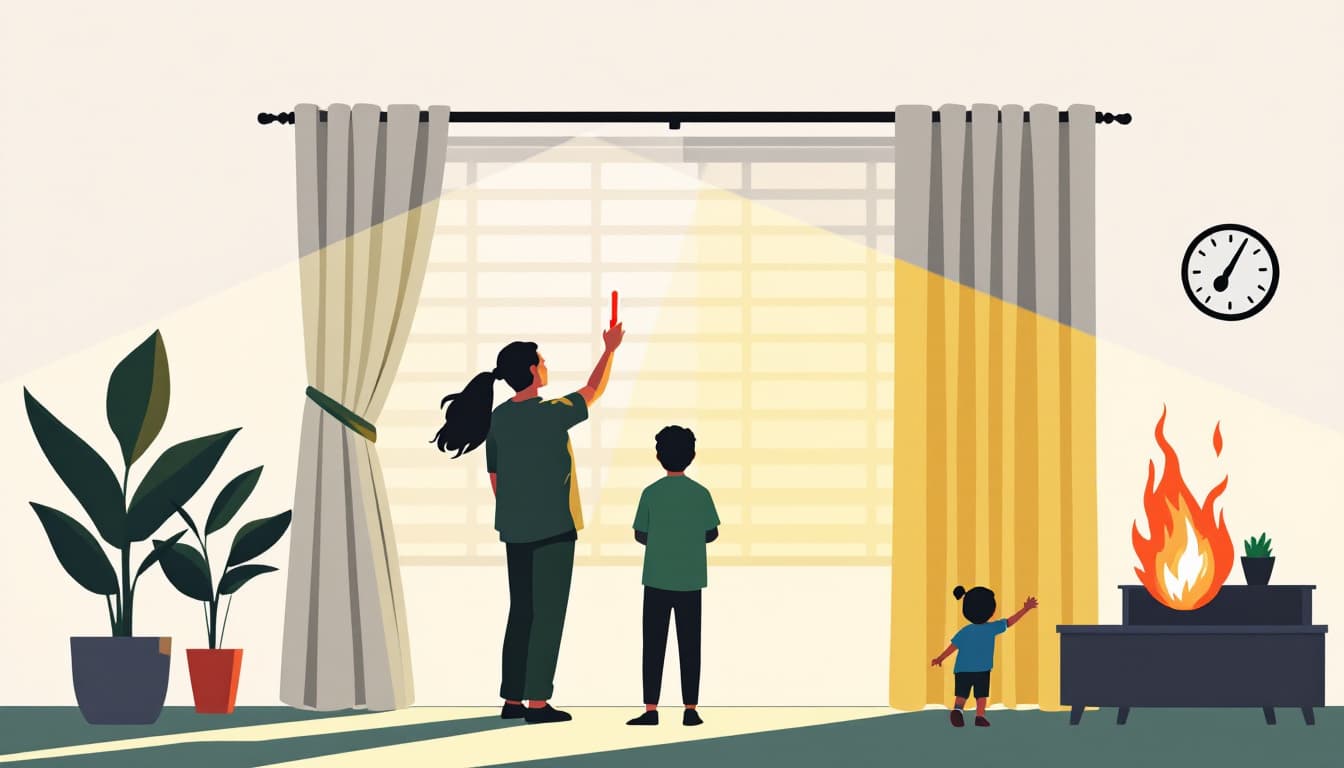
Set your thermostat to pre-cool the house before 4 p.m. Cal ISO's peak demand window runs roughly 4 to 9 p.m. on hot days. Running your AC hard from 11 a.m. to 3 p.m. — when solar generation is highest and grid stress is lower — pulls your home's thermal mass down and reduces how hard the system has to work during the stress window. This is not a sacrifice; it is load-shifting, and it is what the grid needs from households to avoid cascade events.
Put a battery-powered or hand-crank thermometer in each sleeping room. When the power goes out, you lose the ambient data your smart thermostat was providing. A $12 indoor thermometer tells you whether the room is at 85°F (uncomfortable) or 100°F (dangerous). That number is the decision point for whether to stay, open windows, or leave for a cooling center. Without it, you are guessing.
The bigger picture
Heat is not a fringe preparedness scenario in California — it is a recurring seasonal reality for every inland community from Redding to El Centro. The goal is not to build a bunker against summer. It is to make your household durable enough that a four-hour outage at 105°F is an inconvenience rather than a crisis. That means knowing your grid programs, protecting your medications, and knowing where to go. None of it requires significant money. All of it requires doing it before the warning is already posted.