A Fresno Bee report this week put an extreme heat warning across the Mariposa-Madera Lower Sierra zone through Monday evening. Daytime temperatures in that corridor regularly push past 105°F during these events, and the foothills between the Central Valley floor and higher elevation communities become a particular trap: the altitude gives residents a false sense of insulation from valley-style heat, while the radiant exposure and low humidity accelerate dehydration faster than urban coastal residents expect.
This warning is not unusual for August in the Sierra foothills. What makes it worth examining isn't the heat itself — it's what these multi-day extreme heat events actually test inside a household.
What these warnings actually reveal
An extreme heat warning lasting four or five days does something a single hot afternoon doesn't: it loads your systems. An aging window AC unit that runs fine for three hours struggles by hour forty. A freezer in a garage that's 95°F works harder to hold temperature, and if the grid wobbles, the food inside goes first. PG&E and SCE have both used rotating outages and proactive safety shutoffs during high-demand heat events in recent summers — the Central Valley and Sierra foothills are among the more vulnerable corridors for both.
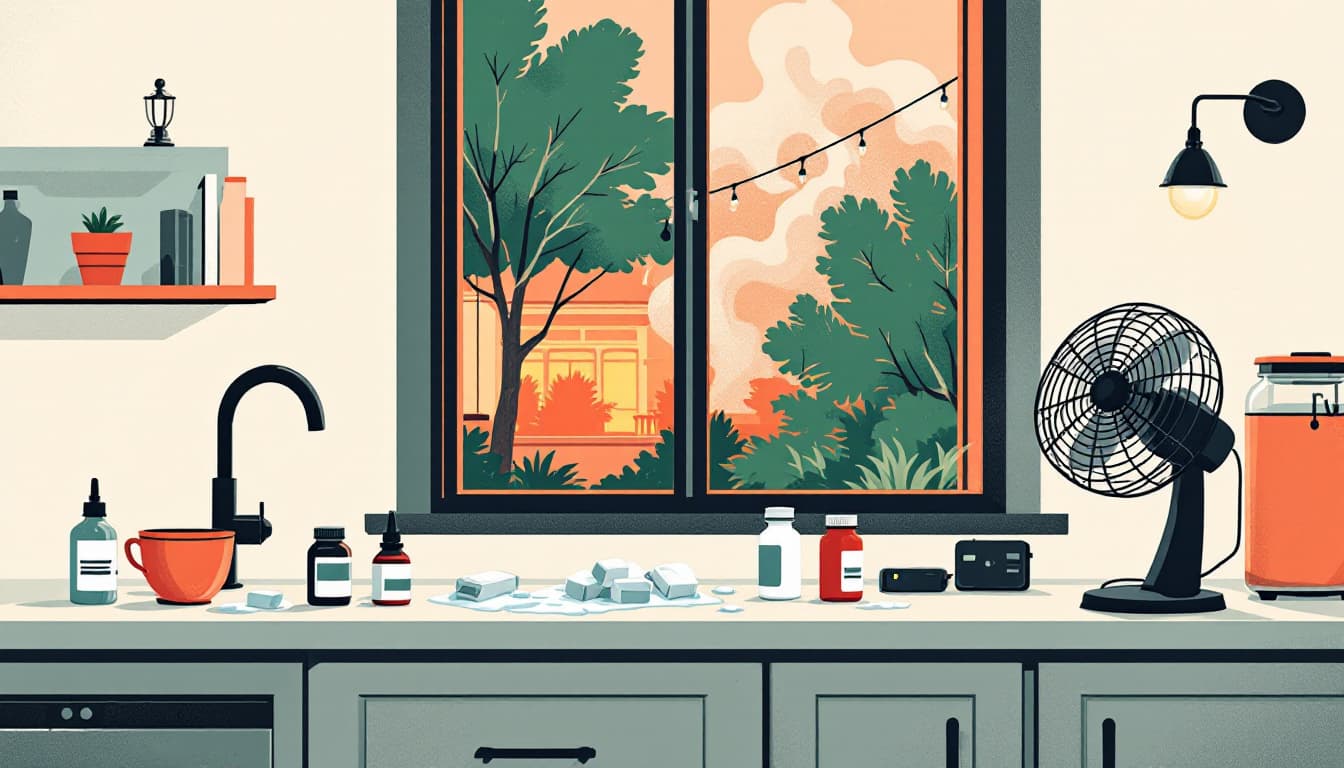
The other thing these warnings expose is medication storage. Many California households have at least one family member on a medication that requires refrigeration or degrades above 77°F. Insulin is the obvious example, but a surprising number of common prescriptions — certain eye drops, some liquid antibiotics, thyroid medications — carry the same advisory. The warning label is easy to ignore until the temperature in your kitchen climbs to 85°F because you're rationing the AC.
Heat also concentrates vulnerability by household type. Renters in older Central Valley and foothill housing stock often have no central cooling, relying on window units or swamp coolers that lose efficiency as humidity rises. Households with elderly members, infants, or anyone on diuretics or blood pressure medication are in a different risk tier than a healthy adult who just needs to stay cool.
What we'd actually do
Audit every refrigerated medication in the house before Tuesday. Pull out whatever you or a family member takes and look at the storage instructions. If anything requires refrigeration, identify right now where you'd store it if the power went out for 24 hours. A small insulated bag with a reusable ice pack buys meaningful time. If a medication is critical and heat-sensitive, call the prescribing pharmacy — many can advise on short-term alternatives or confirm degradation timelines.
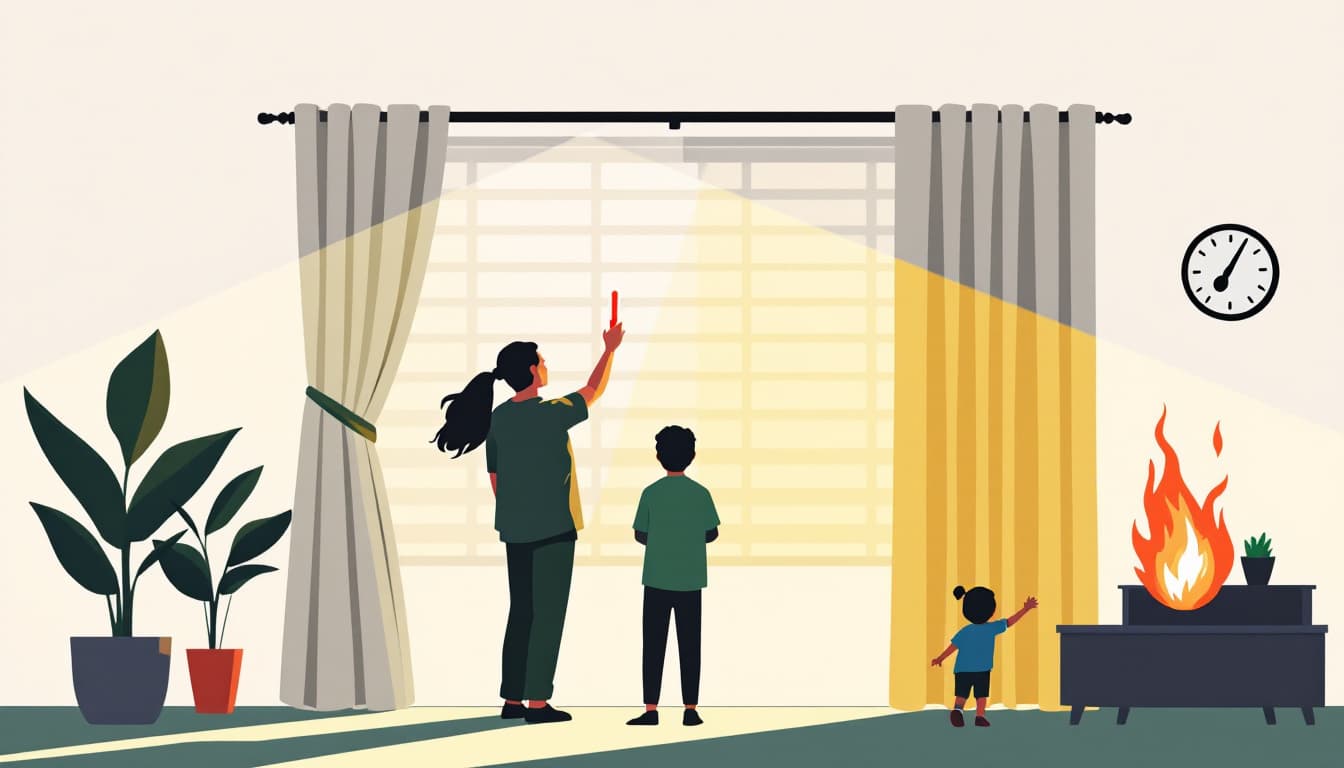
Test your cooling equipment under load today, not when you need it. Run your window unit or whole-house system for a sustained two-hour period and check whether it actually brings the room temperature down to a livable level. If it can't hold below 80°F with the shades drawn at midday, that unit is not going to protect a vulnerable family member during a multi-day event. Knowing this on a mild day gives you options. Finding out at 107°F does not.
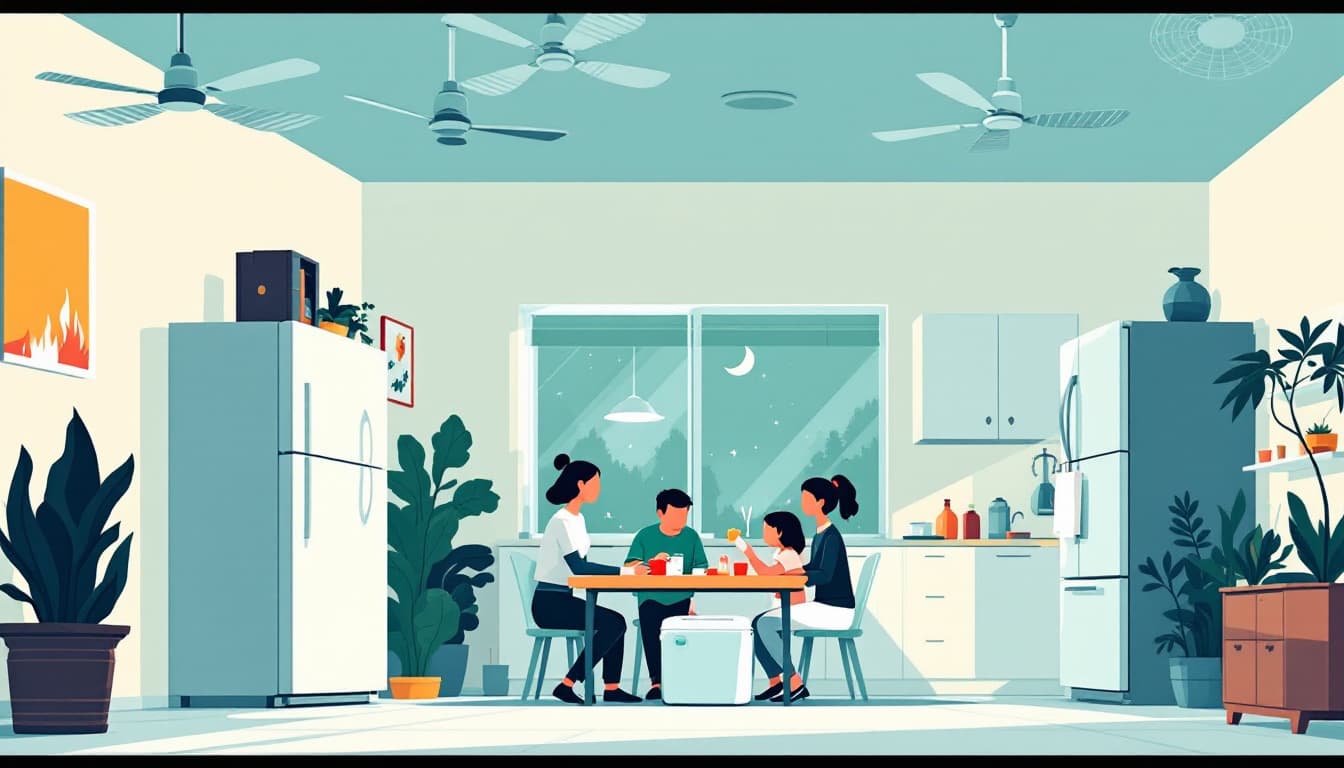
Identify your nearest public cooling center before the temperature peaks. California counties activate cooling centers during extreme heat warnings — Madera and Mariposa counties both maintain lists through their Office of Emergency Services websites. The barrier is usually not knowing where they are until you're already heat-stressed. Look it up now, write down the address, and make sure anyone in your household who might need it knows what it is.
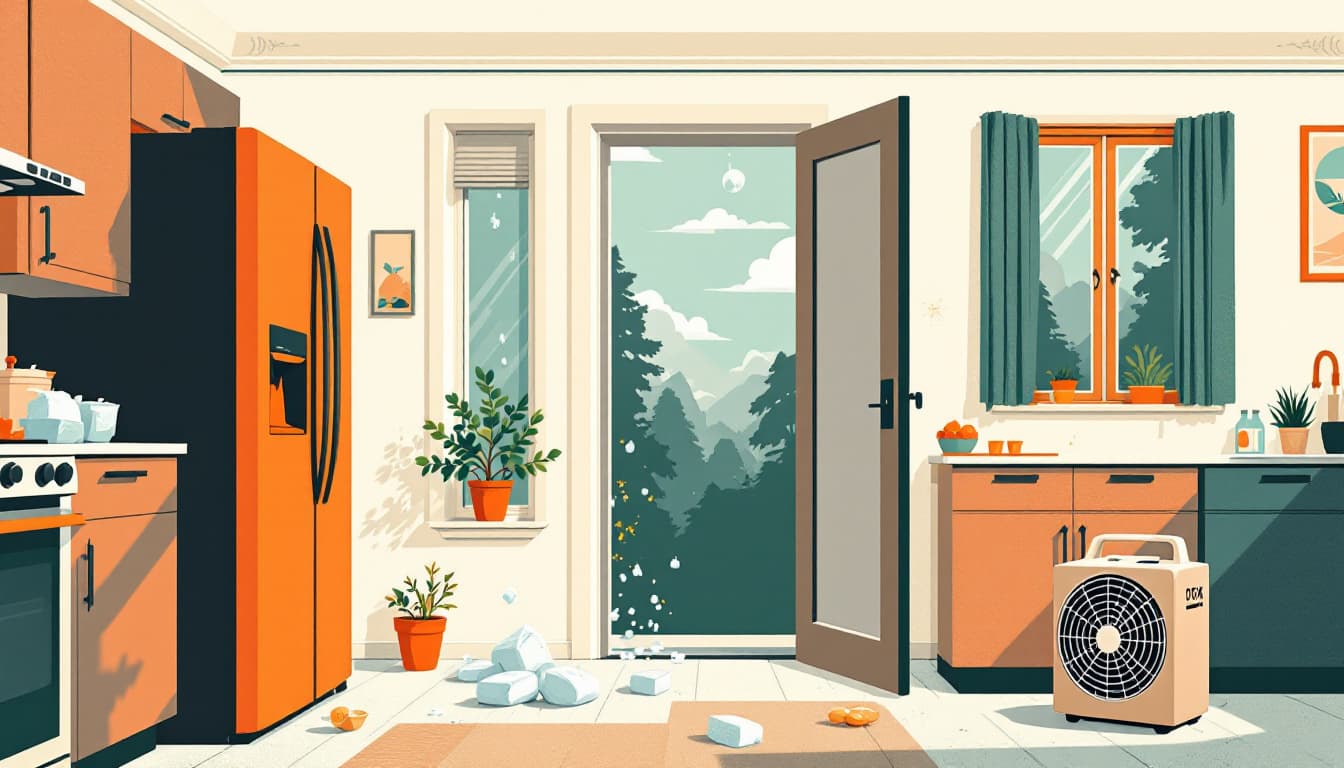
Freeze a few water bottles tonight. This sounds trivial. It is not. Frozen bottles placed in front of a box fan move heat out of a small room faster than the fan alone, and they double as a cold source for a medication bag if the power goes. A full freezer also holds temperature longer during an outage than a half-empty one. Filling unused space with water containers is a no-cost margin.
Check on immediate neighbors before the peak hits, not after. During the 2021 Pacific Northwest heat event, most of the deaths occurred among people living alone who had no one checking in. The Sierra foothills have a higher proportion of older, rural, single-occupant households than coastal California. A ten-minute knock on a neighbor's door before Wednesday midday is a more useful preparedness act than buying anything.
The durable point
Extreme heat warnings in California's interior are going to keep arriving in August. The preparation that matters is not elaborate — it's testing your equipment before it's critical, knowing your backup options before you need them, and reducing the number of things that can go wrong in the first 24 hours of a grid disruption. The families who navigate these events without crisis are not more prepared in some prepper-catalog sense. They've just removed the obvious failure points ahead of time.
That's the work worth doing this week.