Yahoo reported this week that a heat alert has been issued for Southeast England ahead of another multi-day stretch of above-normal temperatures. The alert itself is routine bureaucratic language. What it signals is not.
The United Kingdom's heat warning system was largely built after the 2003 European heat wave killed an estimated 70,000 people across the continent, with England recording its highest-ever temperatures as recently as 2022. Issuing alerts has become standard. Acting on them at the household level has not.
That gap is the problem worth examining.
What's actually changing
Summer heat events in Northern Europe now arrive with enough frequency that they have moved from "unusual weather" into "seasonal planning factor." The same shift is well underway across the northeastern United States, the Pacific Northwest, and parts of Canada that spent decades assuming air conditioning was optional.
The core issue for households is not the peak temperature on a single afternoon. It is the combination of factors that makes multi-day heat dangerous: elevated nighttime lows that prevent the body from recovering, older housing stock that retains heat, power grids that strain under sudden demand spikes, and the assumption — still common — that a fan and an open window will handle whatever comes.
In the UK specifically, the national housing stock was built for cold retention, not heat rejection. Thick walls and small windows work beautifully in February and become liabilities in July. Most American homes built before the 1990s face a similar design mismatch in regions that historically did not need central air.
Heat also degrades medicine. Insulin, certain cardiac drugs, and some thyroid medications begin losing efficacy when stored above 77°F (25°C) for extended periods. A household that has thought carefully about earthquake kits and power outages may not have thought about what three days at 85°F in a closed bedroom does to the drugs in the nightstand.
What we'd actually do
Check every medication in the house against its storage temperature requirement. Look at the label or the package insert — not all medications have the same threshold. If anyone in the household depends on insulin or a temperature-sensitive drug, identify now where you would store it safely during a multi-day heat event: a small cooler with ice, a neighbor with reliable AC, a pharmacist you can call. Do this before the alert, not during it.
Most people check food storage temperatures and never apply the same logic to medicine. A heat wave that spoils your refrigerator backup also spoils drugs stored on a shelf near a south-facing window. The two problems have the same solution: pre-positioned cool storage with a plan to maintain it.
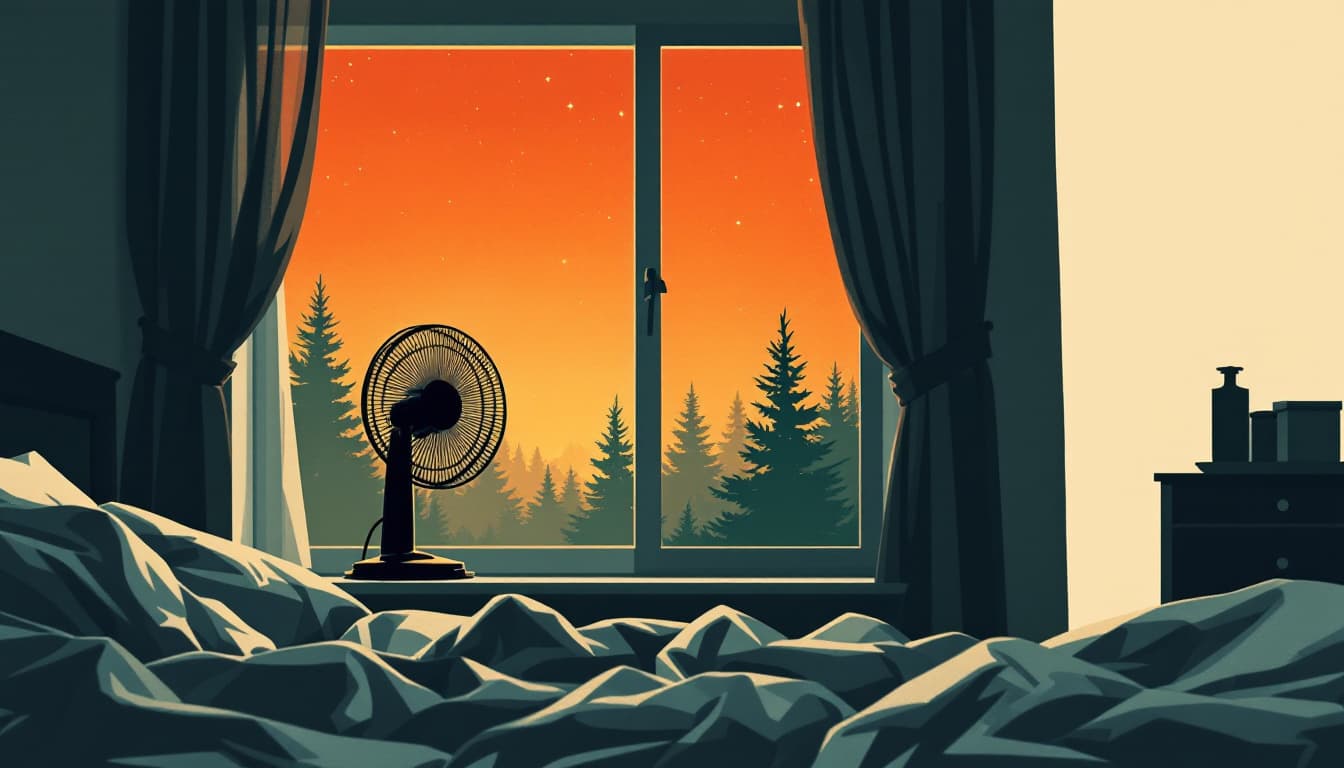
Map the coolest room in your home and prepare it for sleeping. The body recovers from heat stress during sleep; if nighttime temperatures inside the home stay above 75°F, that recovery does not happen effectively. The coolest room is usually lowest in the building, on the north or east side, with smaller windows. Put a battery-powered fan and a blackout curtain in that room before the week arrives, not after.
Identify your nearest public cooling center and the hours it operates. Libraries, community centers, and larger supermarkets maintain consistent temperatures and cost nothing to use. Knowing the address and hours in advance costs about four minutes of effort. During a heat event, that information is harder to find and much more urgent.
Fill two or three large containers with water and put them in the refrigerator tonight. Pre-chilled thermal mass slows the rate at which your refrigerator warms during a power outage. It also gives you cold drinking water immediately without relying on ice. This is one of the cheapest and most underused heat-prep steps available.
Tell someone outside your household what your heat plan is. This sounds social rather than tactical, but heat death disproportionately affects people who live alone and are not checked on. If you have an elderly neighbor, a parent who lives solo, or a relative who rents an upper-floor flat, build a check-in schedule before the heat arrives. One text a day costs nothing.
The bigger picture
Heat preparedness has a marketing problem. It lacks the drama of a hurricane kit or the tactile satisfaction of a go-bag. Nobody photographs their north-facing bedroom with its blackout curtain and battery fan and posts it online. But heat kills more people in the United States annually than floods, hurricanes, and tornadoes combined, according to CDC summary data — and the pattern holds across Western Europe.
A heat alert in Southeast England is not a catastrophe. It is a recurring test of whether ordinary households have made a handful of low-cost decisions that make a meaningful difference. Most have not. The decisions are not hard. They require an afternoon, not a lifestyle change.
Durability is built in the quiet weeks before the alert, not during it.