The overnight low in Raleigh last Thursday stayed above 80°F. That number matters more than the afternoon high, because it's the overnight temperature that determines whether your body — and your house — gets any recovery time before the next day's heat arrives.
A report this week from CBS17.com confirms that extreme heat is persisting across central North Carolina, with scattered rain chances not returning until Monday at the earliest. For most households, that means four to six more days of back-to-back heat stress before any meaningful break. The forecast is the easy part. What comes next — grid load, health risk accumulation, and the slow drain on household resources — is what the weather segment doesn't cover.
What's actually changing
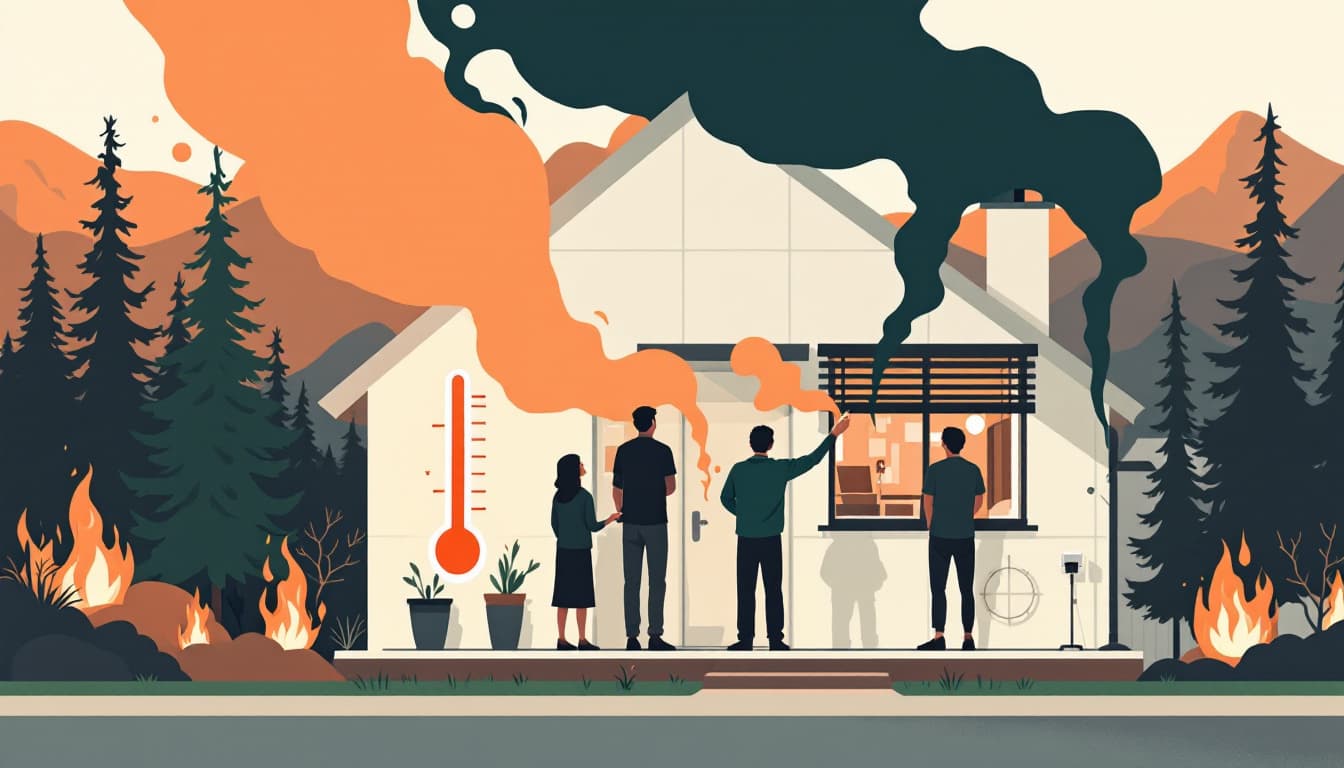
Multi-day heat events operate differently than a single hot afternoon. On day one, your house absorbs heat. On day two, it starts the morning already warmer than usual. By day three or four, your HVAC is running longer cycles, your utility bill is climbing, and anyone in the household who is elderly, very young, or managing a chronic condition has been accumulating physiological heat stress for 72-plus hours straight.
North Carolina's piedmont geography amplifies this. The Triangle and surrounding communities sit in a region where overnight cloud cover and residual humidity keep temperatures from dropping the way they would in the mountains. Asheville residents are having a different week than Raleigh or Durham residents right now. If you're in the central part of the state, that distinction is not academic.
Duke Energy and Dominion serve most of central NC. Both have asked customers during previous prolonged heat events to voluntarily reduce usage during peak hours, typically 2–7 p.m. Whether a formal conservation appeal arrives this week or not, the grid is running near capacity during that window. A localized outage during a multi-day heat event is not a freak scenario — it's a routine risk that households underplan for.
What we'd actually do
Identify your household's one person who needs a plan, not just a reminder. Every household has someone — an elderly parent, a child under 2, a person on beta-blockers or diuretics — for whom extreme heat is a clinical risk, not just discomfort. Write down the nearest NC cooling center (NC 2-1-1 can locate one) and confirm it's open before you need it. Don't assume you already know.
Set your thermostat to 78°F by 1 p.m. and stop adjusting it. Running your AC down to 72°F at 3 p.m. when the grid is stressed doesn't cool your house faster — it strains equipment and spikes your bill. Pre-cooling your home in the morning (before 10 a.m., when demand and outdoor temps are lower) and holding a steady 78°F through peak hours is more efficient and extends the life of your unit. If your HVAC filter hasn't been changed since spring, change it today. A clogged filter can add 10-15% to your system's energy draw.
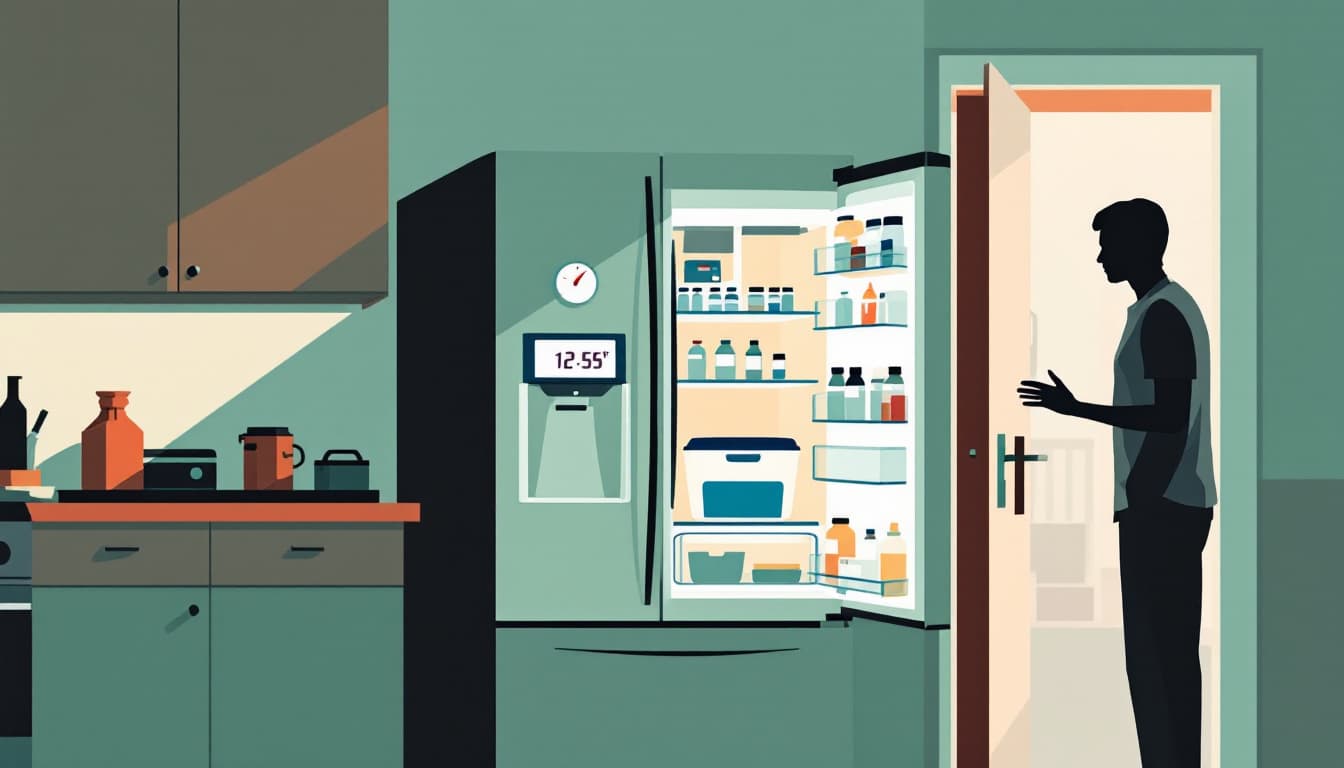
Fill a cooler now, before an outage forces you to. Two bags of ice, a gallon of water, any medications that require refrigeration, and a note with your county's outage reporting number for Duke Energy (1-800-769-3766) or Dominion. This takes 20 minutes. After a grid failure, it takes two hours and a crowded gas station.
Close blinds on south- and west-facing windows from 11 a.m. onward. Radiant heat through glass is one of the largest contributors to indoor heat gain in a typical NC ranch or two-story home. Blackout curtains cost $25–$40 per window and pay for themselves in reduced AC load within a season. If you don't have them, a folded moving blanket tacked up works for the short term.
Check in on neighbors who live alone, specifically between 2 and 6 p.m. This is the highest-risk window, when indoor temperatures peak even in air-conditioned homes that lost power hours earlier. A 90-second text or knock is not an overreaction. NC emergency managers credit neighbor-to-neighbor contact as one of the most effective interventions in heat events precisely because it doesn't require any infrastructure to work.
The bigger picture
Heat preparedness doesn't require a bunker or a generator. It requires knowing your household's specific vulnerabilities three days before the temperature peaks, not the morning of. Central North Carolina will have more weeks like this one. The rain will return Monday, temperatures will drop, and most families will move on without updating anything. The ones who use this week as a dry run — mapping their cooling options, stress-testing their HVAC, knowing who needs watching — are the ones who handle the next event without scrambling.
Durability is built in the quiet weeks. This one just happens to be loud.