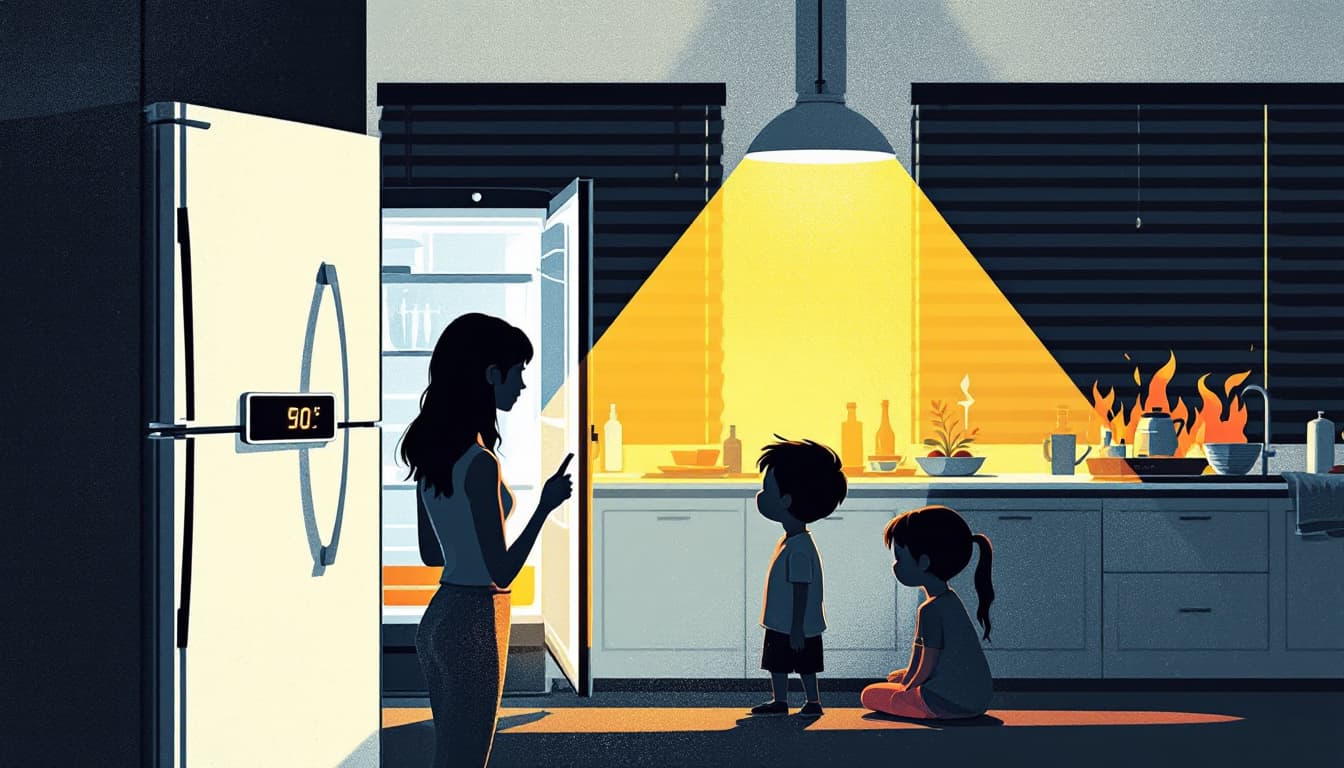
The calendar said spring. The thermometers in parts of Europe said something else entirely. A report this week from The Guardian described climate scientists using language that rarely makes it into academic circles — words like "mind-bogglingly crazy" — to characterize heat events arriving months ahead of the traditional summer peak. People died. Records fell. And the season that used to serve as a buffer before the real heat arrived is no longer reliably doing that job.
That's the signal worth paying attention to.
What's actually changing
Heat has always killed people. What's shifting is the timing and the surprise factor. Spring infrastructure — both physical and behavioral — is not built for extreme heat. Air conditioning units are still in storage. Families haven't yet established their hot-weather routines. Older relatives haven't acclimated. Municipal cooling centers haven't opened. The body itself needs one to two weeks to physiologically adapt to rising temperatures, a process called heat acclimatization. When a dangerous heat event arrives in May, that adaptation window hasn't happened.
This is the compounding problem. It's not just that temperatures are higher. It's that the systems designed to absorb heat stress — social, medical, and mechanical — are calibrated for a season that no longer reliably precedes the danger.
For American households, the European pattern is a leading indicator, not a foreign story. The same dynamics — earlier heat onset, compressed spring buffers, aging housing stock with poor thermal performance — are present across the South, Southwest, and increasingly the Midwest. The European heatwaves are a stress test on systems that look a lot like ours.
What we'd actually do
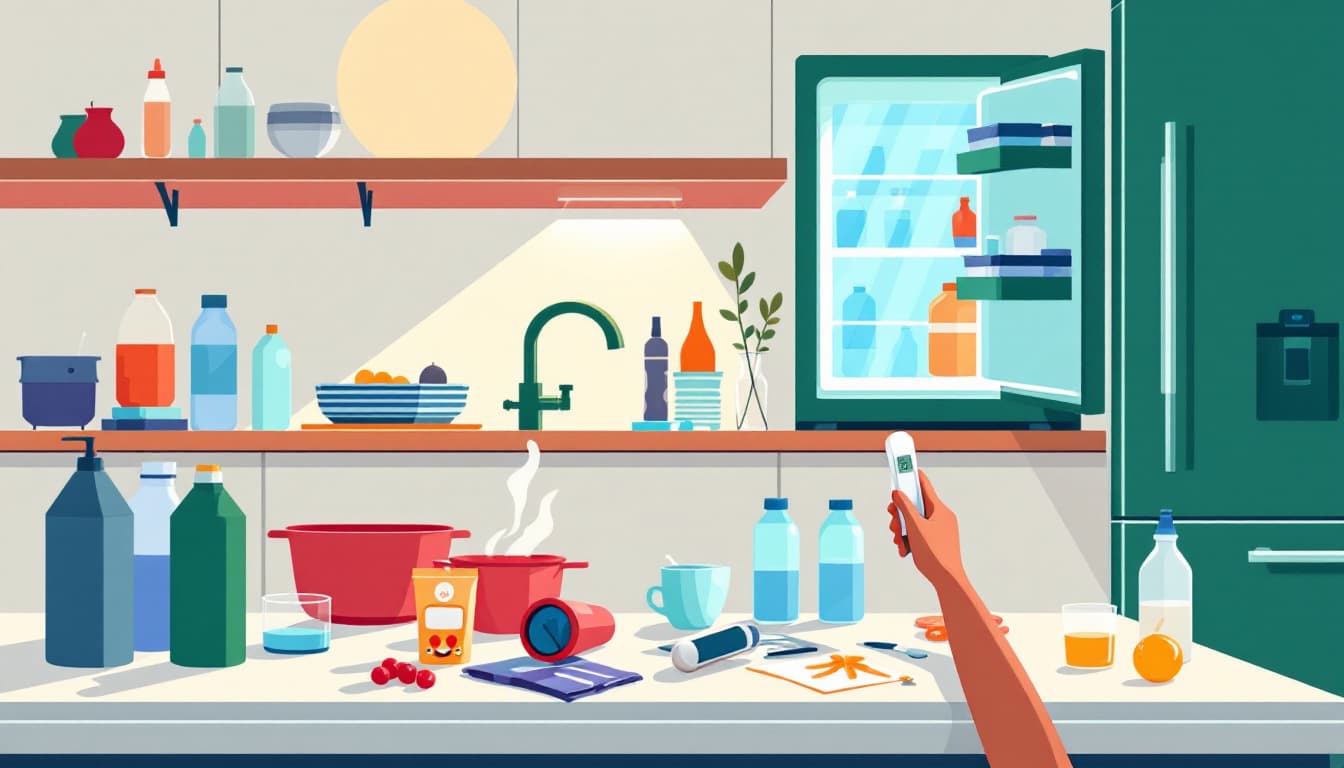
Get your cooling equipment running and tested before you need it. Pull out window units or portable ACs now, not in July. Run them for a full cycle. Check filters. If you've been meaning to service central AC, schedule it in the next two weeks — HVAC companies book out fast once the first heat spike hits. A unit that fails on day one of a heat event is a genuine health emergency for households with elderly members, infants, or anyone on diuretics, beta-blockers, or other medications that impair heat regulation.
Identify your household's most heat-vulnerable person and make a specific plan for them. Heat mortality isn't evenly distributed. Adults over 65, people with cardiovascular or kidney disease, and anyone taking medications that affect sweating or fluid balance face disproportionate risk. If that person is in your household or your care network, name them now, and decide in advance what threshold triggers a move to a cooler environment. "We'll see how it goes" is not a plan.
Map one reliable cooling refuge within fifteen minutes of your home. Library, grocery store, community center — somewhere with reliable air conditioning that you can reach without depending on a vehicle if needed. Many municipalities maintain lists of official cooling centers, but those lists are often only published after an emergency is declared. Do the reconnaissance before you need it.
Do a quick thermal audit of your sleeping space. Overnight temperatures matter more than peak daytime temperatures for heat illness accumulation. If your bedroom holds heat after sundown, a $30 box fan positioned to exhaust hot air through a window (blowing out, not in) is more effective than most people expect. Blackout curtains on west-facing windows can reduce afternoon heat gain enough to keep sleeping spaces tolerable on moderate heat days without mechanical cooling.
Stock oral rehydration salts, not just water. Water alone doesn't replace electrolytes lost through sustained sweating. Families that are physically active outdoors, or caring for someone who is ill, should have a supply of oral rehydration salts — the kind used for illness recovery work fine. This is a $10–15 item that sits in a cabinet until it matters.
The bigger picture
The preparedness community has spent decades fixated on the dramatic — grid-down scenarios, supply chain collapse, acute disasters. Heat is less cinematic. It kills slowly, in bedrooms and nursing homes, and the deaths often get coded as cardiac events rather than heat events. That statistical invisibility has made it easy to underestimate.
What the European spring is demonstrating is that heat risk is front-loading onto parts of the calendar when families feel least prepared. The response isn't to catastrophize. It's to close the preparation gap while it's still small — before the equipment is backordered, before the HVAC company is booked out three weeks, before the heat arrives.
Durable households run cool equipment checks in May. That's the whole insight.