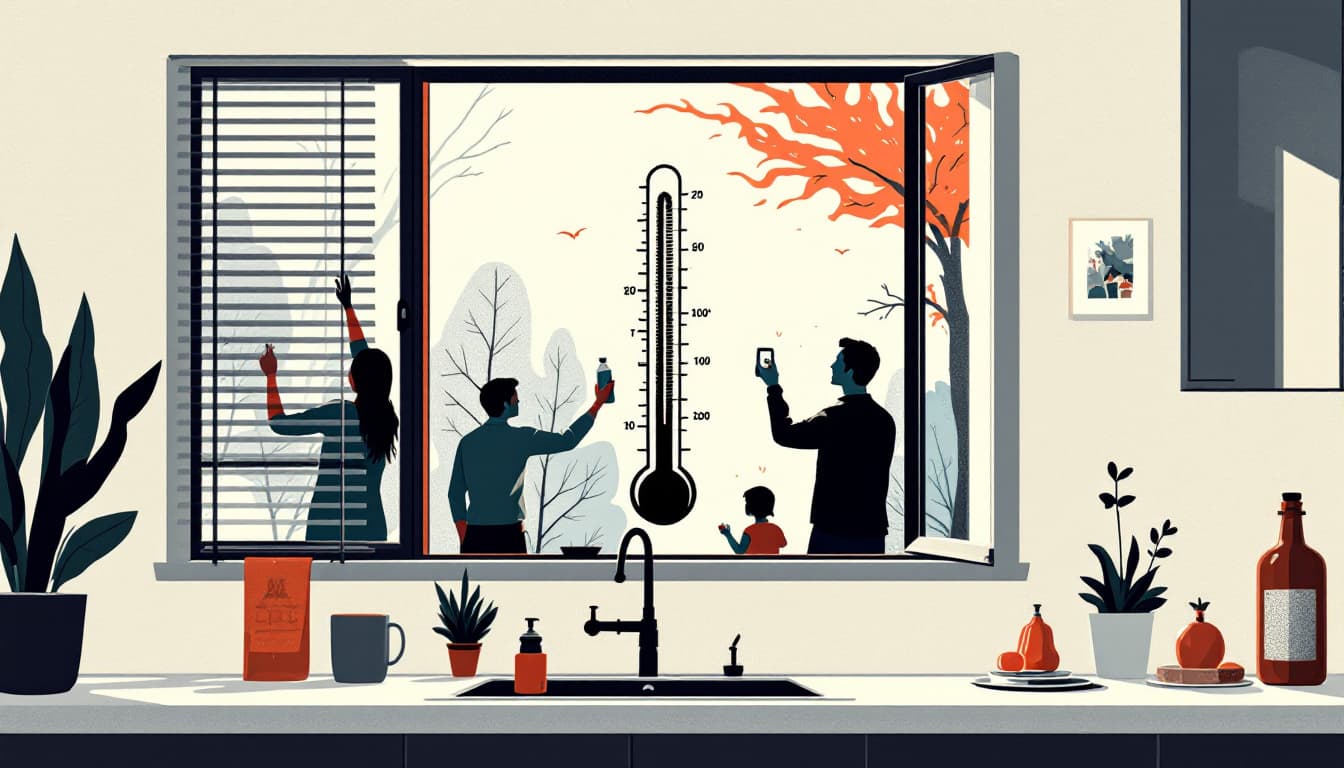
A report this week from WGNS Radio out of Murfreesboro is flagging what the National Weather Service is calling an extreme heat event for Tennessee, with heat index readings expected to cross triple digits. That is not a rounding error. A heat index above 103°F puts the human body in a zone where the risk of heat exhaustion and heat stroke rises sharply within an hour of outdoor exposure, particularly for people who are working, exercising, or don't have reliable air conditioning.
Tennessee summers have always been brutal, but the combination of high humidity off the Cumberland River basin and sustained overnight lows that don't drop below the mid-70s means bodies don't recover the way they would in a drier heat. Memphis, Nashville, Chattanooga, and Knoxville all sit in valleys or along river corridors that trap humid air. That's not new — but it's worth naming when the forecast is this specific.
What's actually happening
Heat index is a feels-like number derived from combining air temperature and relative humidity. When WGNS says triple digits, they're saying your body will experience conditions equivalent to 100°F or more even if the thermometer reads lower. The danger isn't just comfort — it's physiological. Your sweat stops cooling you efficiently above roughly 35% humidity if the air temperature is already high. That's when heat-related illness accelerates.
Tennessee's power grid runs hard during these events. TVA and the regional utilities manage demand reasonably well, but rolling brownouts are possible during multi-day peaks if the heat extends across the Southeast simultaneously. The last time the region saw sustained triple-digit heat index conditions, emergency rooms in Nashville and Memphis logged significant spikes in heat-related admissions. Older housing stock in Middle and West Tennessee — particularly homes built before 1990 with window units or undersized central systems — is a real vulnerability.
This is not a panic scenario. It is a logistics problem. And logistics problems have solutions.
What we'd actually do
Check on one person who can't reliably cool themselves. Not a general wellness check — a specific, in-person visit or a confirmed phone call, with a follow-up plan if they don't answer. Tennessee has a large rural elderly population spread across counties like Cannon, Van Buren, and Grundy where air conditioning isn't universal. If you have a neighbor or family member over 70 who lives alone or relies on a window unit, this week is when it matters.
Fill and freeze water before the peak arrives. Run your freezer to capacity with water bottles or gallon jugs now. If power becomes intermittent during peak demand, a full freezer retains cold longer than a half-empty one. Frozen water also doubles as emergency drinking water as it melts. A household that loses power during a heat event has a meaningful safety window if the freezer is stocked going in.
Identify your nearest cooling center in advance, not during. Tennessee Emergency Management Agency (TEMA) coordinates with county emergency managers to open cooling centers during extreme heat. Most counties list them through the local health department or emergency management office website. Look it up now, write the address down, and note the hours — some close at 5 p.m. Waiting to look this up when your AC is struggling and your phone battery is at 20% is how people end up in trouble.
Audit your window units before the peak. If you're running window units, clean the filter today and confirm the unit is properly sealed in the frame. A unit with a dirty filter running against an improperly sealed window can lose 20 to 30 percent of its effective output. That gap matters when the heat index is 103.
Adjust your outdoor schedule to before 9 a.m. or after 7 p.m. This sounds obvious. It isn't always practiced. If you have yard work, a dog that needs exercise, or kids who want to play outside, shift everything before the morning heat builds. The hours between 1 and 6 p.m. during a heat event like this are when the index peaks and when the ER volume spikes.
The bigger picture
Extreme heat is the deadliest weather category in the United States most years, and it tends to be underestimated because it doesn't produce dramatic footage. There's no funnel cloud, no flood surge. It's just a number that keeps climbing. Tennessee households that come through a heat event intact aren't the ones who bought the most gear — they're the ones who checked on their neighbors, kept their systems functional, and didn't underestimate the logistics of staying cool for four days running.
Durable households plan for the predictable. This is predictable.