A report this week from OPB puts Oregon's drought at its most widespread coverage in four years. That benchmark matters because 2022 was the last time reservoir levels and snowpack deficits combined to put real pressure on municipal water systems, agricultural output, and wildfire fuel loads simultaneously. We're back at that threshold, in early August, with the hottest part of the season still unspent.
If you live in the Pacific Northwest, or if you eat food grown there, this is worth your attention.
What's actually changing
Drought in Oregon is not a single event with a single consequence. It operates through three overlapping channels that affect households differently depending on where they sit.
Water supply and cost. When surface water levels drop, municipalities that draw from rivers and reservoirs face higher treatment costs and, eventually, usage restrictions. Tiered pricing penalties for above-average use tend to activate on short notice. Families who haven't looked at their utility's drought protocol in the last year may find themselves surprised mid-bill cycle.
Food prices. Oregon's Willamette Valley is among the most productive agricultural regions in North America, supplying a significant share of the country's hazelnuts, grass seed, berries, and specialty vegetables. When irrigation water is restricted or priced higher, farmers reduce planted acreage or shift to lower-water crops. That tightening shows up in grocery prices with a lag of one to two seasons, which means the cost signal from a summer 2026 drought may not fully land until spring 2027.
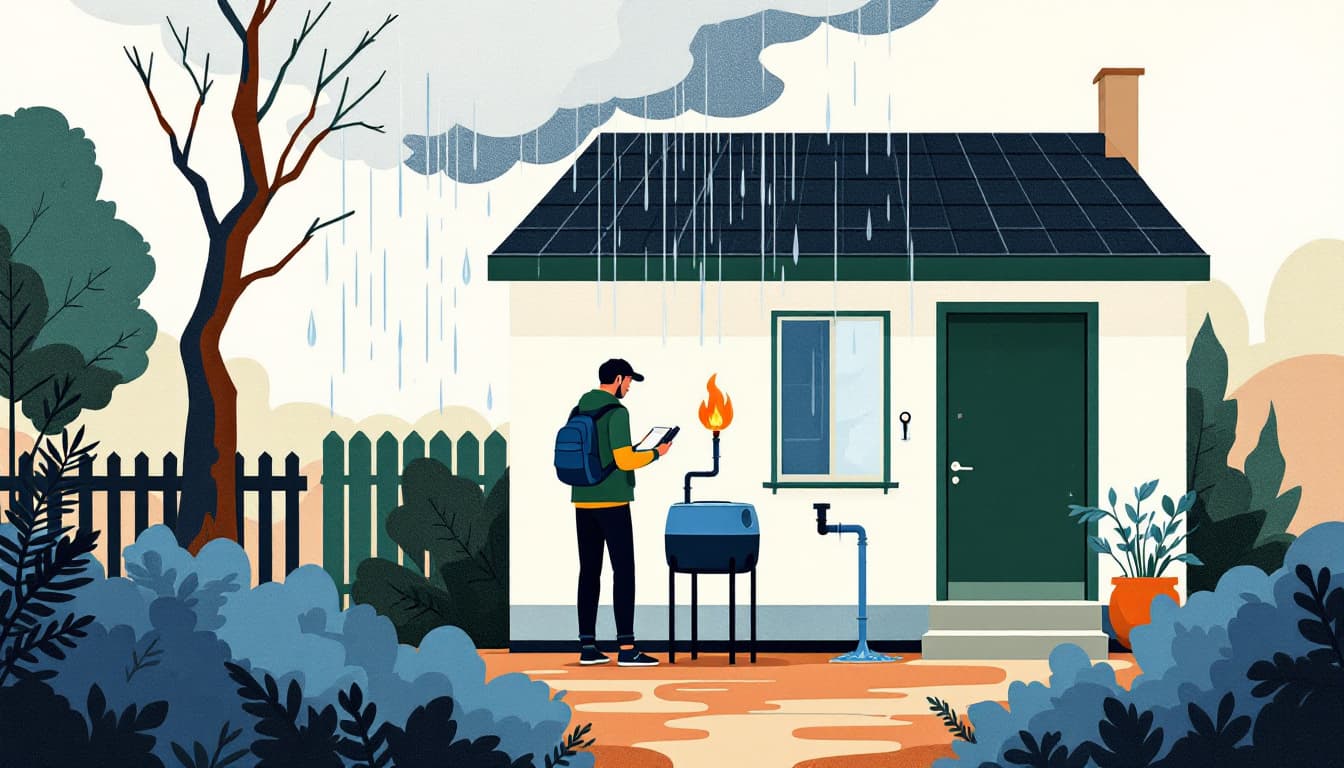
Wildfire smoke. Drought conditions accelerate fuel drying. Oregon's fire agencies have already extended their high-risk windows in recent years, and a drier-than-average late summer compresses the margin between a manageable fire season and a smoke event that lasts weeks. For households with asthmatic family members, or anyone who works outdoors, that's a health planning question, not just an inconvenience.
None of these are catastrophic on their own. All of them are easier to manage with four weeks of lead time than with four days.
What we'd actually do
Check your municipal water utility's drought stage definitions this week. Most utilities publish a multi-stage drought response plan on their website, outlining exactly when outdoor watering bans, flow restrictions, and surcharge tiers activate. Reading it takes fifteen minutes and tells you precisely what triggers are being watched. If your utility posts current reservoir or source-water levels, bookmark that page.
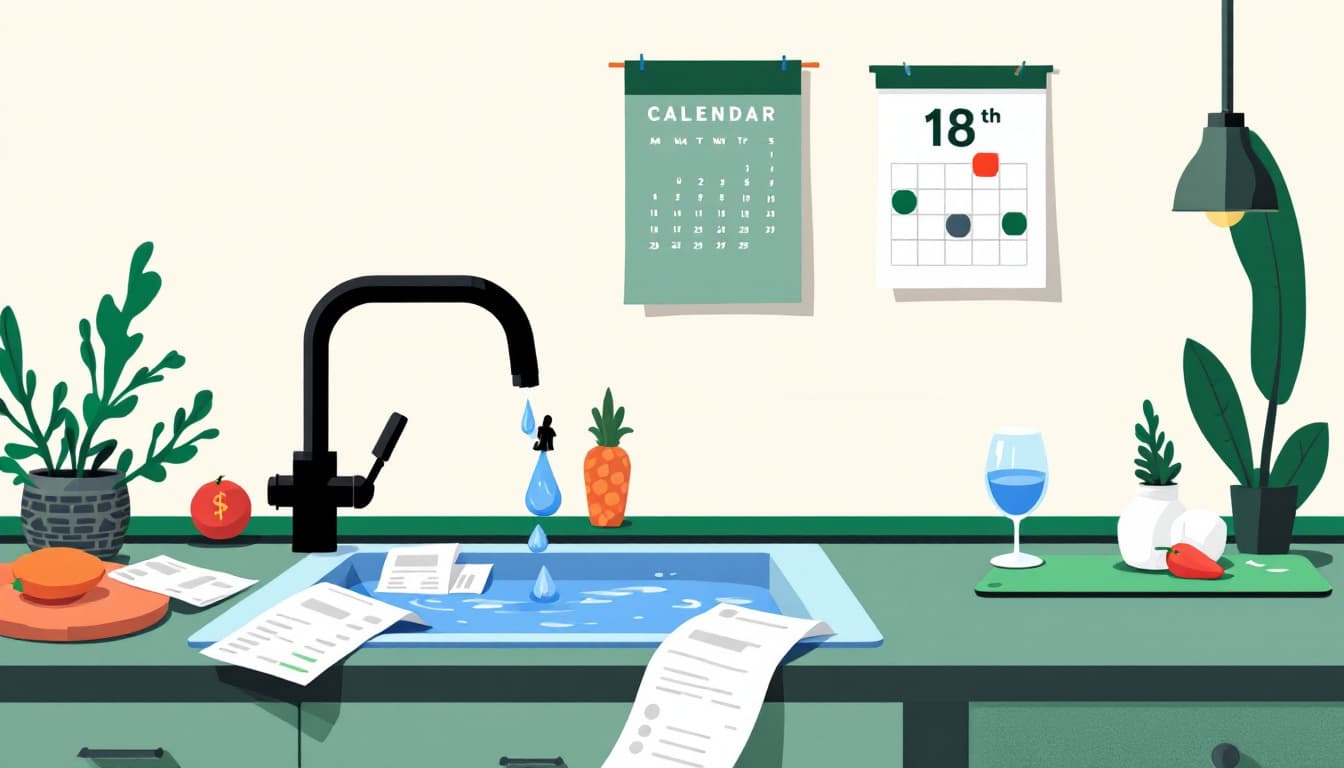
Audit your household water use against the utility's "average" benchmark. Tiered penalty pricing is calibrated against a baseline your utility considers normal. If you don't know where your household sits relative to that baseline, you can't anticipate a surcharge. Pull your last three months of water bills, note the unit figures (usually CCF or gallons), and compare them to the tier thresholds in the drought plan you just found.
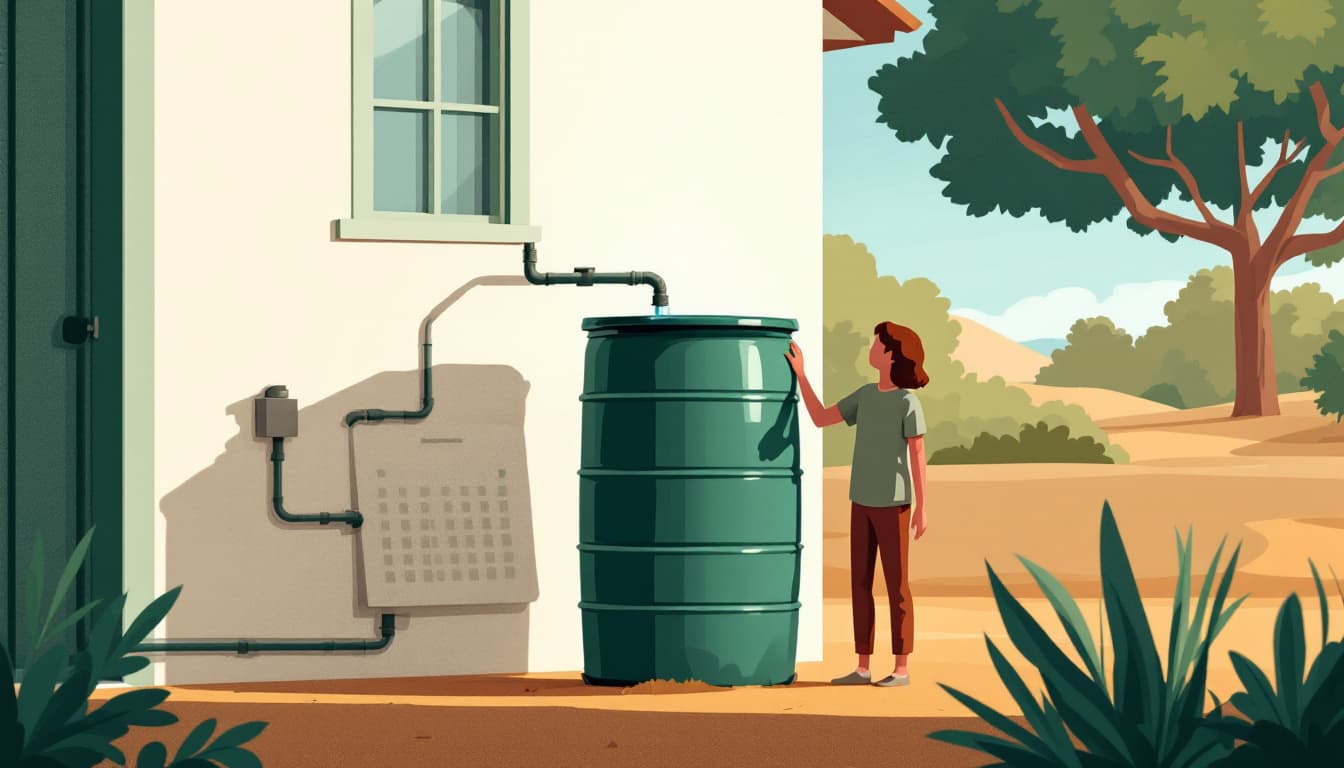
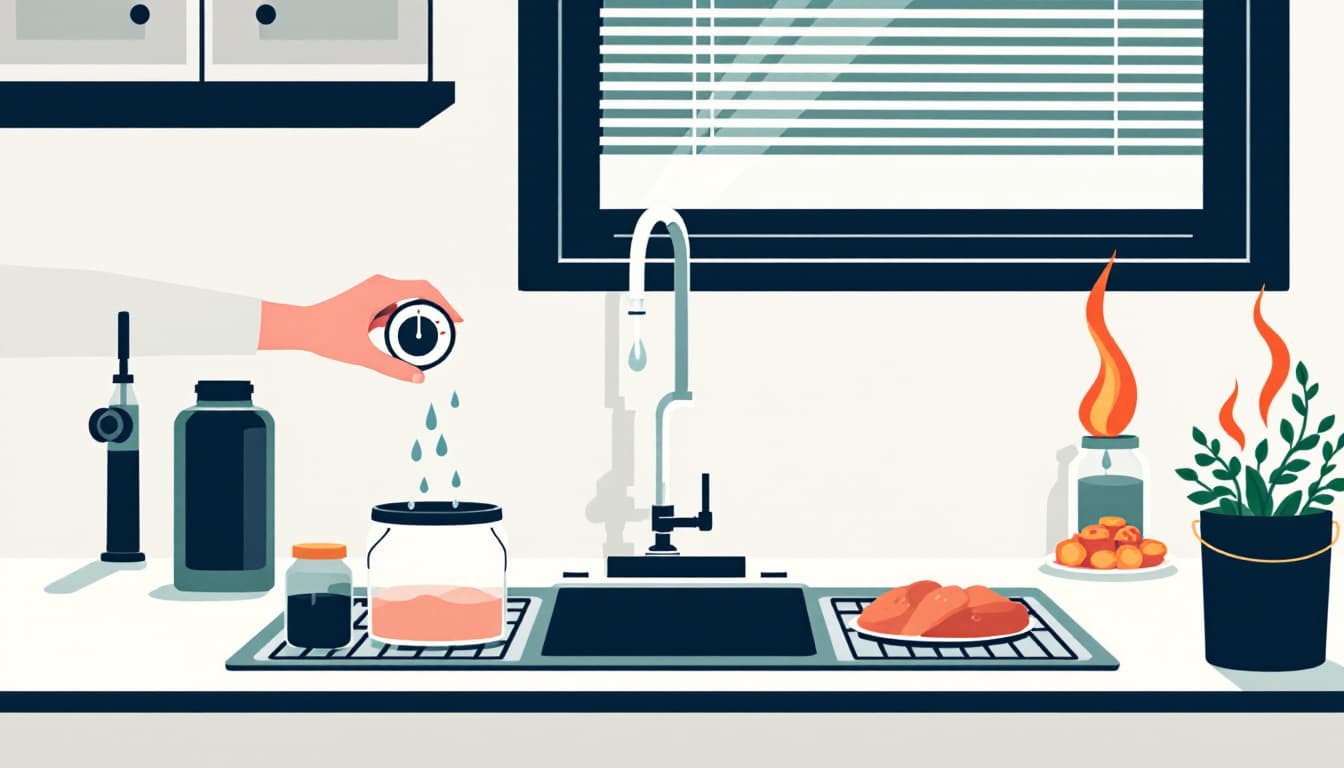
Store two weeks of drinking water before restrictions, not during them. The time to add stored water capacity is when nothing is wrong. A case of commercially bottled water costs roughly $5 to $8 and buys you mental clarity during a restriction event. Better: a clean food-grade 5-gallon container filled from the tap right now costs almost nothing and can be rotated every six months without drama. FEMA's minimum guidance is one gallon per person per day; two weeks per person is a reasonable household target for an urban family.
Buy one good N95 box before fire season peaks. Wildfire smoke produces fine particulate matter (PM2.5) that standard dust masks don't filter. A box of NIOSH-rated N95 respirators runs $15–25 at most hardware stores and lasts well past a single smoke season if stored dry. The time to own them is before the air quality index crosses 150, when everyone else is also trying to buy them.
Look at your pantry through the lens of a six-month food-price lag. You don't need a year of freeze-dried supplies. But if berries, leafy greens, or specialty produce are a meaningful part of your food budget, buying shelf-stable versions of items you actually eat now — canned tomatoes, dried legumes, frozen vegetables while prices are stable — is rational grocery strategy, not survivalism.
The bigger picture
Oregon's drought is one data point in a pattern that's been building across the American West for more than a decade. The specific causes and trajectories are genuinely contested among climate scientists, and we're not in the business of projecting what 2030 looks like. What's not contested is that water scarcity events in agricultural regions create real household cost pressure, and that households with even modest preparation absorb those pressures more steadily than those without it.
The goal isn't to stockpile your way out of a regional drought. It's to be the household that doesn't panic at a boil-water notice, doesn't overpay during a surcharge event, and doesn't spend a smoke week hunting for masks. That kind of durability is built in quiet weeks like this one.