A few inches of rain can end a drought on paper while leaving the underlying problem exactly where it was.
South Carolina Public Radio reported this week that drought conditions have improved across the state, citing updated assessments from the state's Department of Natural Resources. That's genuinely good news for farmers, reservoir managers, and anyone who spent the spring watching their lawn turn to straw. But drought "improvement" is a technical classification, not a clean bill of health. Groundwater recharge takes months. Reservoir levels lag behind rainfall. And the same regional weather patterns that produced this drought will produce the next one.
The gap between "drought declared" and "drought noticed at home" is exactly where most families get caught unprepared — and the gap between "drought lifted" and "water supply fully restored" is where they stop paying attention too soon.
What the recovery phase actually tells you
Drought cycles in the Southeast have been compressing. The region went from relatively wet conditions a few years back to significant drought stress across multiple counties this year, with relatively little warning at the household level. Municipal water systems handled it — they almost always do, right up until they don't — but well owners in rural counties faced real restrictions, and some smaller water utilities issued precautionary notices.
The recovery phase is the best moment to audit your household's water position, because the pressure is off and the lesson is fresh. Most families don't have a water plan at all. They have a vague sense that "water comes from the tap" and a half-remembered idea that they should store some jugs somewhere.
That's not a plan. Here's what one actually looks like.
What we'd actually do
Map where your water comes from before the next dry spell, not during it. If you're on municipal water, call your utility and ask for their last Consumer Confidence Report — utilities are required to publish these annually. Look at the source water section: is it surface water (rivers, reservoirs) or groundwater (wells, aquifers)? Surface water systems are more vulnerable to drought in the short term. Groundwater systems are more resilient to short droughts but slower to recover from long ones. Knowing which you're on changes what you should prepare for.
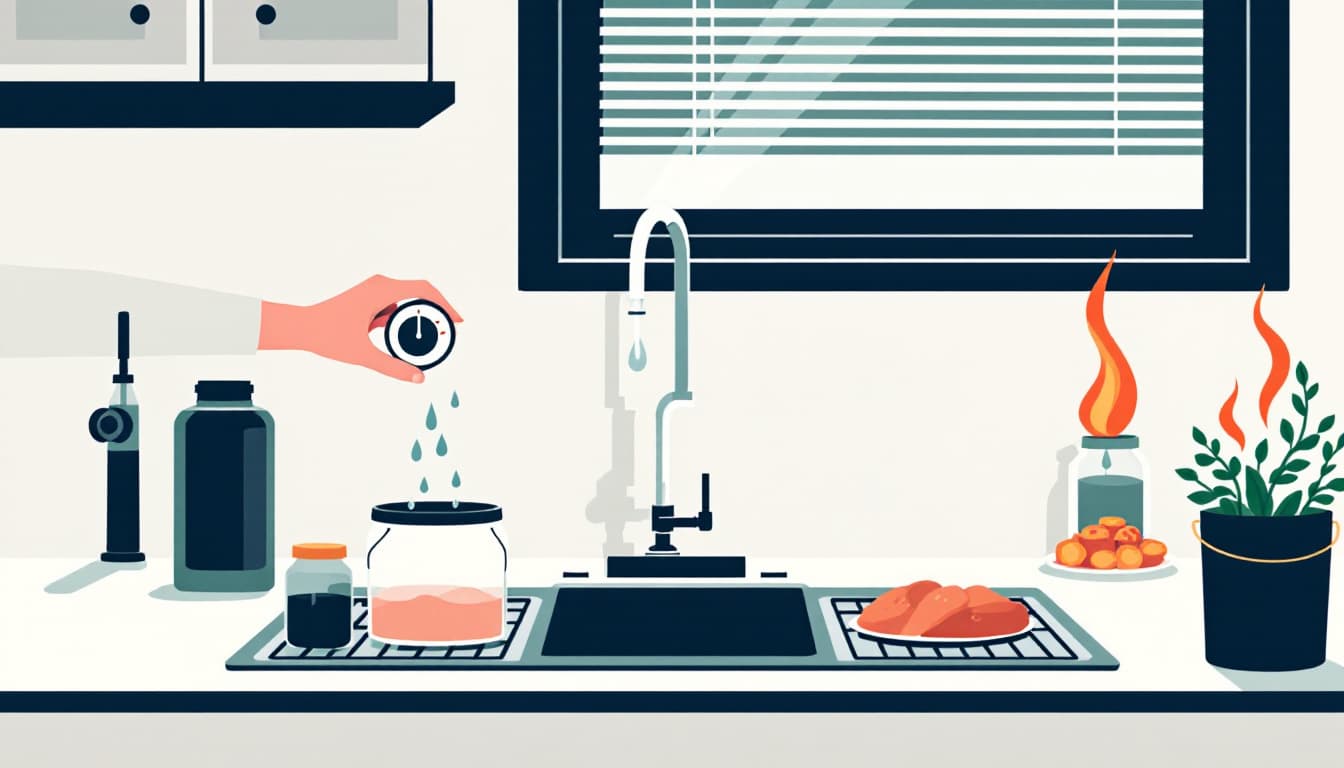
Store a realistic quantity of water, not a symbolic one. The standard guidance — one gallon per person per day — is a floor for drinking and basic sanitation, not a comfortable margin. A family of four needs at least 12 gallons to cover three days at minimal function. Twenty-four gallons gets you to a week. Food-grade 5-gallon containers cost under $15 each and fit in a closet. Fill them from the tap, add a small amount of unscented liquid bleach per established CDC guidance for water storage, and rotate them every six to twelve months. This is a two-hour project, not a lifestyle.
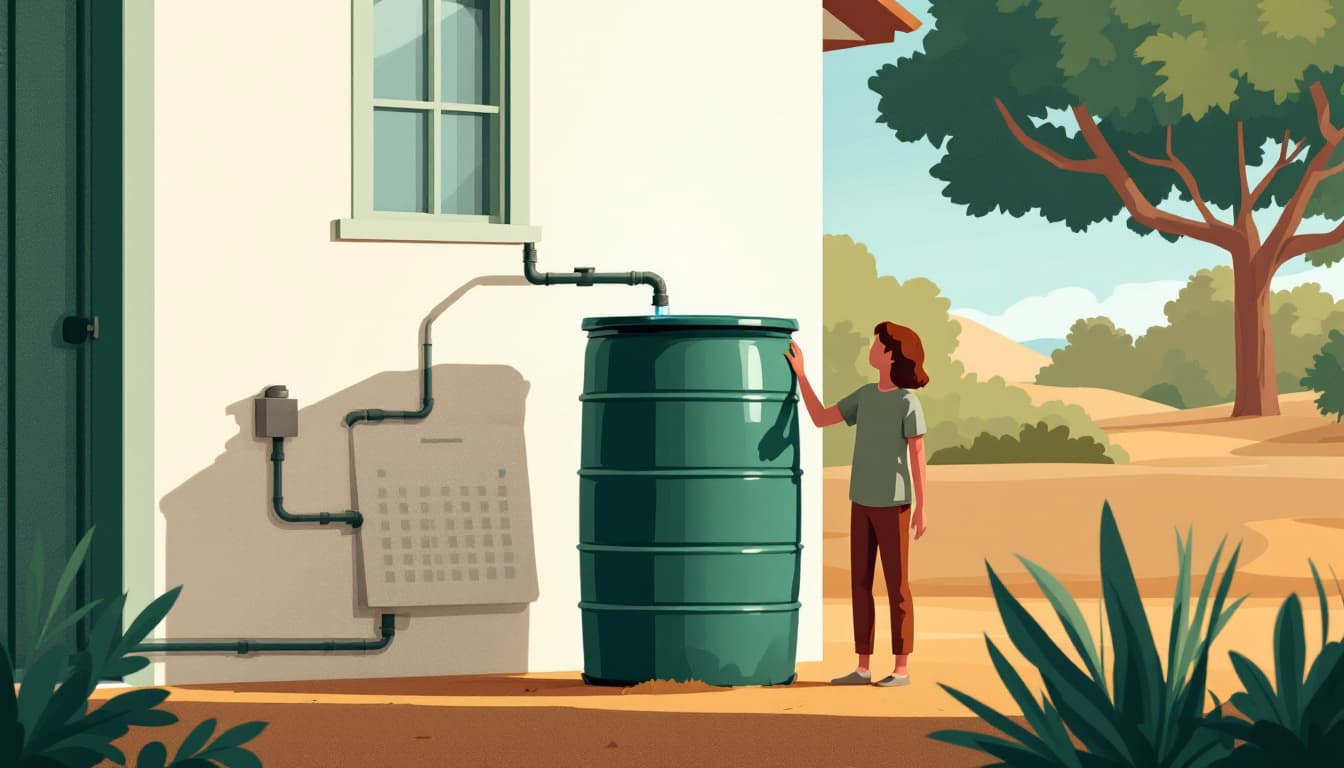
If you have a yard, assess your greywater options now. Most states allow basic rainwater harvesting at the residential level, though rules vary. South Carolina permits it. A 55-gallon food-grade drum with a mesh filter and a spigot costs around $60-$80 and can be installed in an afternoon. It won't supply drinking water, but it covers toilet flushing and garden irrigation during restrictions — the two uses that strain households most during droughts. This is also the moment to audit whether your irrigation system has a rain sensor. A surprising number don't, which means they run on a schedule regardless of conditions.
Know your utility's restriction tiers before a notice goes out. Most municipal systems have tiered drought response plans — Stage 1 voluntary reductions, Stage 2 mandatory restrictions, and so on. These are public documents. Download yours, read the trigger conditions, and note what Stage 2 actually prohibits in your jurisdiction. Knowing this in advance means you're making calm decisions rather than reactive ones when a notice drops.
If you're on a private well, get it tested this fall. Drought stress can concentrate contaminants in shallow wells. After a recovery period, sediment and bacterial counts can temporarily spike. A basic water quality panel through your state extension service or a certified lab typically runs $50-$150 and tells you what you're actually drinking. Most well owners haven't tested their water in years.
The bigger pattern
Drought improvement is the kind of news that encourages people to stop thinking about water. That's exactly backwards. The Southeast's precipitation variability isn't going away, and the region's population growth continues to press on water infrastructure that was sized for a smaller base.
The goal of preparedness isn't to survive a catastrophe. It's to be slightly less dependent on every single system working perfectly at once. Water is the most basic version of that. A few stored gallons and a realistic sense of where your supply comes from doesn't make you a prepper. It makes you someone who thought ahead.
The drought broke. Schedule the audit anyway.