The Arkansas River through Chaffee and Fremont counties is running low enough that water managers just made a formal dedication — 2,500 acre-feet set aside specifically to keep the Upper Ark viable for recreation and fisheries. A Denver Gazette report this week put a number on what anyone who's driven Highway 50 this summer could see with their own eyes: this drought is severe, and the competition for what water remains is getting structured and institutional.
That formalization is the signal. When water managers dedicate specific volumes to non-consumptive uses during a drought, it means allocations are tight enough that without the explicit reservation, that water would be legally pulled elsewhere. Colorado's prior appropriation doctrine — "first in time, first in right" — means junior water rights holders can be curtailed before senior ones ever feel a shortage. The 2,500 acre-feet carve-out is an acknowledgment that the system is under real stress.
What's actually changing
Colorado's mountain snowpack feeds the state's rivers, and recent snowpack years have tracked below the long-term median across much of the Arkansas River basin. Reservoir storage in the Upper Ark region has reflected that. The drought designation covering much of southern and central Colorado isn't a seasonal anomaly at this point — it's a condition water planners are building around.
For Front Range households, the connection feels indirect. Denver Water and Aurora Water draw from the South Platte and Blue River systems, not the Arkansas. But the broader pattern matters: the same pressure that's stressing the Upper Ark is operating across Western Slope and Eastern Slope basins alike. Water districts across Colorado have accelerated conservation tiering, outdoor watering restrictions, and rate structure changes. Several municipalities have moved to mandatory odd-even watering schedules this summer. If yours hasn't yet, it may by next summer.
Rural households on well water face a different exposure. Shallow wells in drought-stressed areas can see declining water tables, and the lag between surface conditions and aquifer response means a bad snowpack year often shows up in wells 12 to 18 months later. If you're on a private well anywhere in the Arkansas River basin or adjacent drainages, this year's conditions are worth watching closely.
What we'd actually do
Get your current water district's drought stage in writing. Call or check the website of your municipal water provider and find out what stage of drought restrictions you're currently under, what triggers Stage 2 or Stage 3, and what mandatory measures those stages carry. Knowing the rules before enforcement saves you the fine.
Most water districts publish this in a PDF that's a year out of date. Call the actual utility. Ask what stage you're in today and what outdoor watering restrictions apply to your address. Write it down. If you rent, this is still your responsibility — landlords don't always communicate restriction changes.
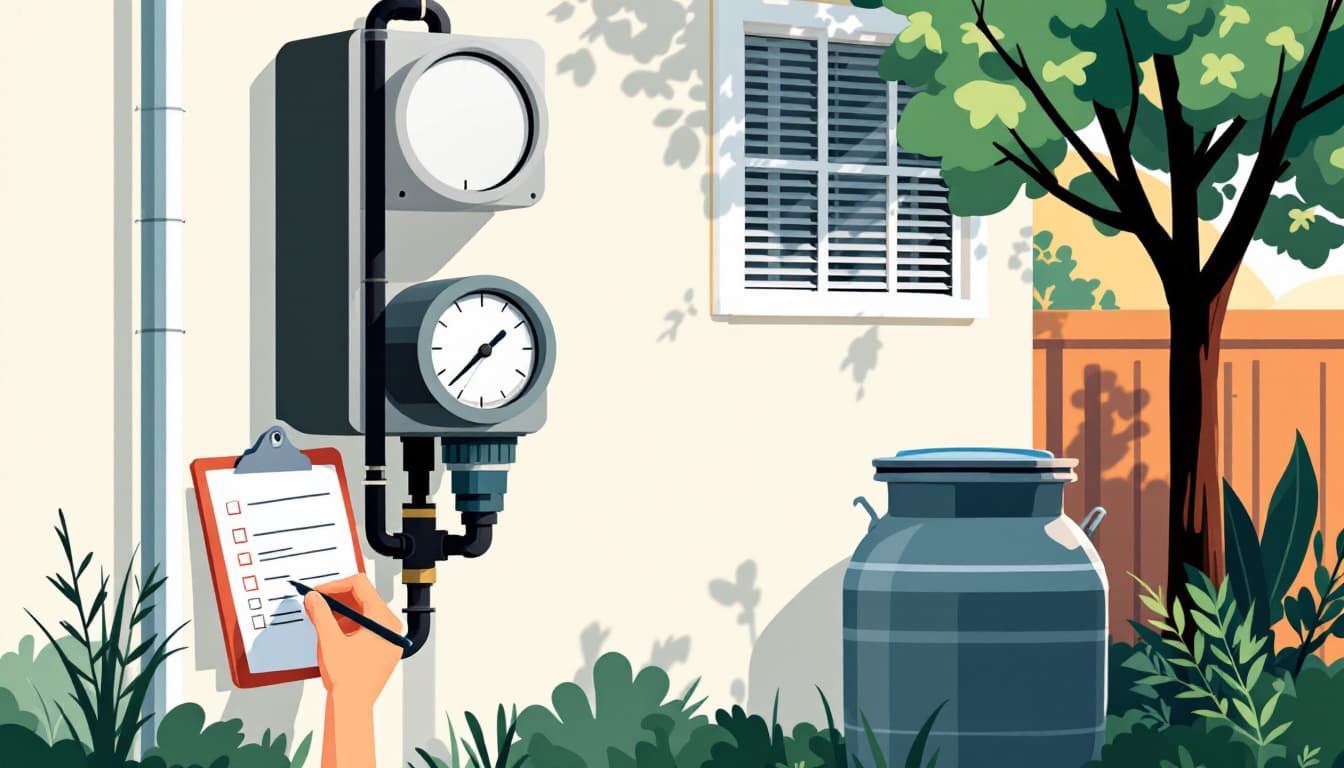
Audit your outdoor water use before your utility does it for you. Outdoor irrigation routinely accounts for 50 to 70 percent of residential water use during summer in Colorado, according to state water efficiency data. A single drip zone running 20 minutes longer than necessary every day adds up fast — both on your bill and toward your district's quota tracking. Walk your irrigation schedule this week, check for broken heads, and cut any zone running more than three times per week.
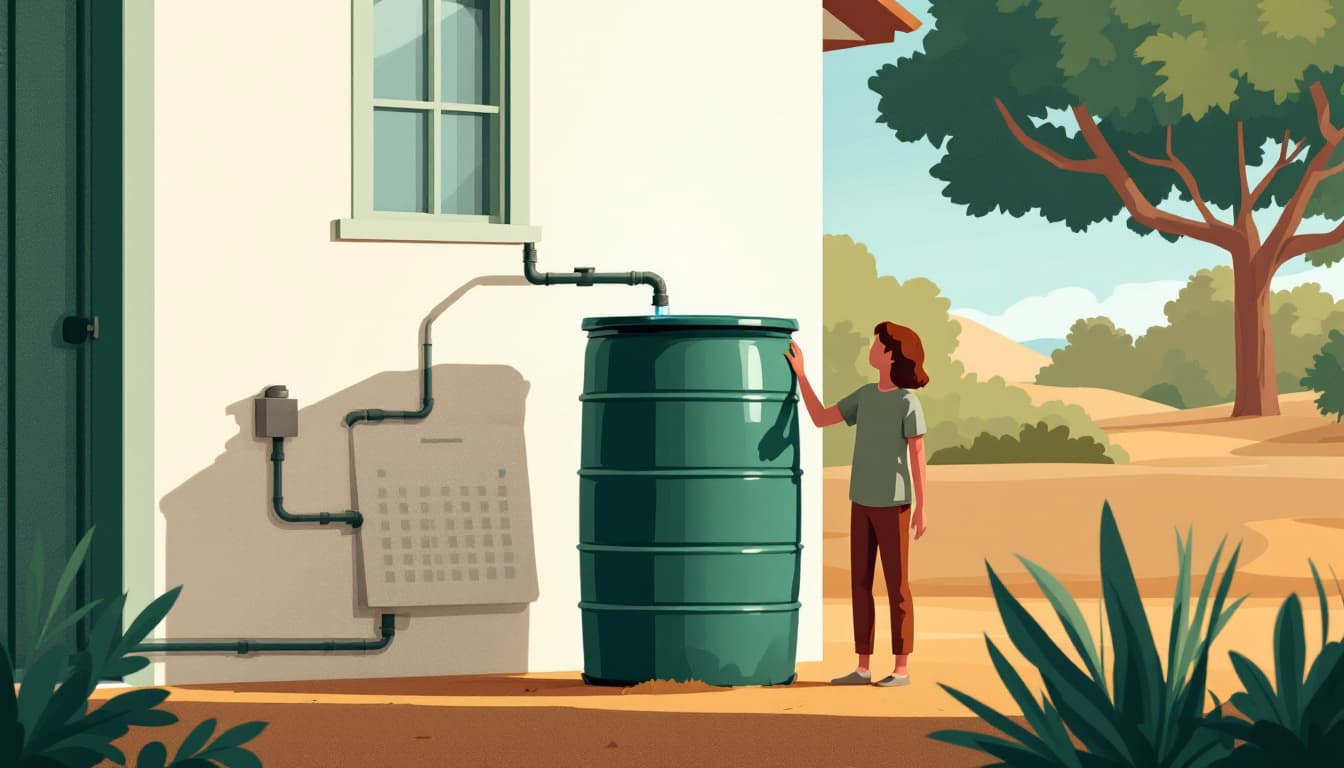
Store a minimum 14-day supply of drinking water for your household. FEMA's baseline guidance of 72 hours is calibrated for acute emergencies, not prolonged drought-driven service disruptions. In a scenario where a small Colorado municipality faces well pump failure or contamination under low-water conditions, 72 hours is not a comfortable margin. One gallon per person per day is the floor; two gallons is more realistic if you're cooking. For a family of four, that's 56 to 112 gallons — achievable with a few food-grade 5-gallon containers stored in a cool, dark location and rotated every six months.
If you're on a private well, test it now and log the static water level. Colorado's well permitting records are searchable through the Colorado Division of Water Resources. Your driller's log will show the original static water level at time of completion. Compare that to a current measurement — you can hire a well contractor for a service call, or in some cases do a rough measurement yourself with a weighted string. A declining static level during drought is a documented early warning, not a crisis — but it requires action before it becomes one.
Learn your county's water emergency contacts before you need them. El Paso, Chaffee, Fremont, Pueblo, and the dozen other counties touching the Arkansas drainage each have emergency management offices with drought-specific guidance and sometimes assistance programs. Find your county's emergency management page, save the number, and check whether your county has a water shortage assistance program for households that lose well function.
The bigger picture
The Upper Ark dedication is a responsible water management move — it's the system working, not failing. But it reflects a new baseline: in Colorado, water is now managed the way electricity is managed during a heat wave, with formal reserves and active curtailment as operating tools rather than last resorts.
The goal for a Colorado household isn't to panic-hoard water or build a cistern in the backyard. It's to know your system, reduce your unnecessary draw on it, and have a small cushion against the disruptions that become more probable as drought conditions persist. Durability, not catastrophe.