A university doesn't build a dedicated heat physiology lab because the problem is theoretical. A report this week from WUSF describes the University of North Florida launching a facility specifically to study what extreme heat does to athletes, military personnel, and outdoor workers — the populations whose bodies are under sustained thermal load for hours at a time. That's Jacksonville. That's Florida. That's a formal acknowledgment that the state's heat environment now demands the same kind of institutional research attention typically reserved for disease vectors and hurricane wind loads.
For most Florida families, the response is not to wait for the lab's findings. The findings will take years. The summers will not.
What's actually changing
Florida's heat problem is not new, but three things are compressing the margin for error.
First, the heat season is longer. Jacksonville, Tampa, Orlando, and Miami are all logging more days above 95°F earlier in the calendar year than historical averages from the past three decades suggest they should. The National Weather Service Heat Index scale puts "dangerous" conditions — where heat stroke becomes a real risk within hours of outdoor exposure — at a feels-like temperature above 103°F. Florida routinely exceeds that before noon in June, July, and August.
Second, more people are working outside. Florida's construction, agriculture, landscaping, and utility sectors employ hundreds of thousands of workers who cannot simply move indoors. Recent Bureau of Labor Statistics data consistently shows outdoor and manual labor overrepresented in heat-related illness fatalities nationally. Florida is not an exception.
Third, the indoor assumption is breaking down. Grid stress during peak demand periods — late afternoon, mid-July — creates rolling brownouts in some Florida utility districts. Air conditioning is not a guarantee. It is an assumption most households have never stress-tested.
The UNF lab is studying what happens to bodies under load. Your household should be studying what happens to your home, your people, and your budget under the same conditions.
What we'd actually do
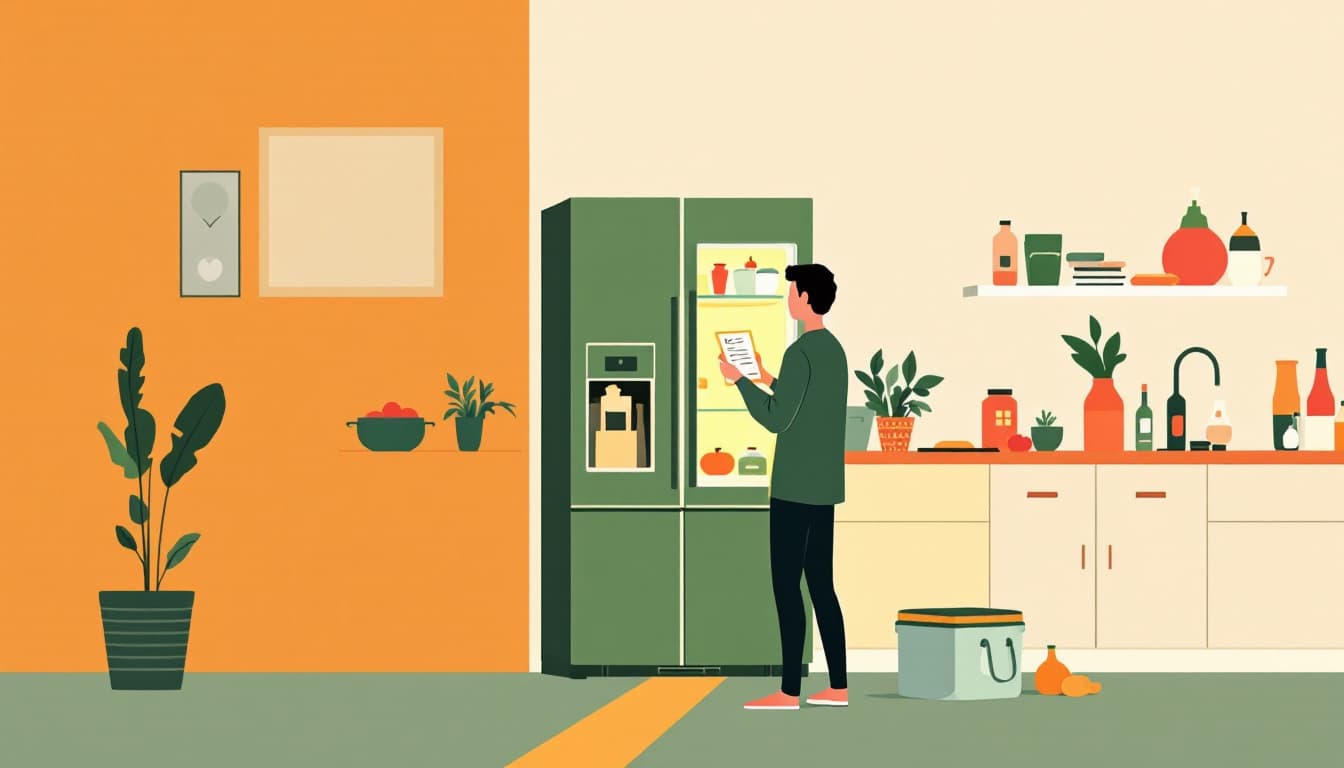
Map your household's actual heat exposure, not just your comfort level. Walk through who in your home is most vulnerable — children under four, adults over 65, anyone on diuretics, beta-blockers, or antipsychotic medications, and anyone doing outdoor physical work. These groups lose thermoregulatory capacity faster than healthy adults and will show symptoms before they feel sick. Make a list. Assign someone to check on each person during any heat advisory.
Florida's Division of Emergency Management issues heat advisories through the state's Alert Florida system. Sign up at floridadisaster.org if your household is not already receiving those notifications. This is free and takes four minutes.
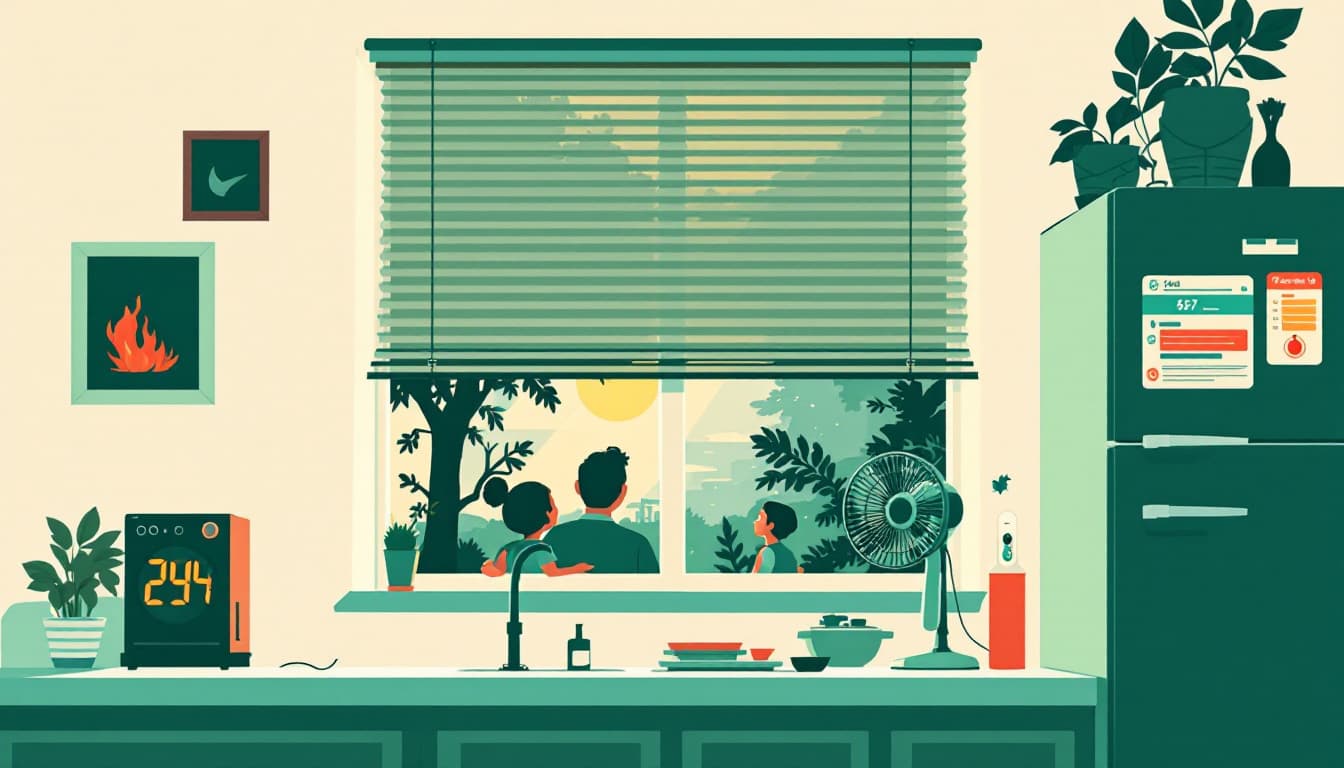
Test your cooling redundancy before the first serious heat event, not during it. Run your central AC on a hot afternoon and check whether it can hold your home below 78°F at peak load. If it struggles, that's information you need in May, not August. A single window unit rated at 8,000 BTU can maintain one room — a "cool room" — as a fallback if the central system fails or the grid hiccups. Units in that range cost $150–$250 at most home improvement stores and are worth having as a backup, not a primary.
Build a 72-hour water supply that accounts for heat, not just thirst. Standard emergency guidance cites one gallon per person per day. In Florida summer conditions — particularly if you're without power — that number climbs. Sweat loss, medication interactions, and children's higher surface-area-to-body-weight ratio all push consumption up. Store two gallons per person per day as your baseline, and keep it somewhere that won't itself overheat (not an outdoor shed or a black plastic storage bin in direct sun).
Know your nearest public cooling center before you need one. Florida counties are required to open cooling centers during heat emergencies. Miami-Dade, Hillsborough, Duval, and Orange County all maintain lists, updated seasonally, of libraries, community centers, and senior facilities that serve as cooling sites. Find yours now — search "[your county] cooling center 2026" — and save the address in your phone. This is not a last resort for other people. It is a resource your family may actually use.
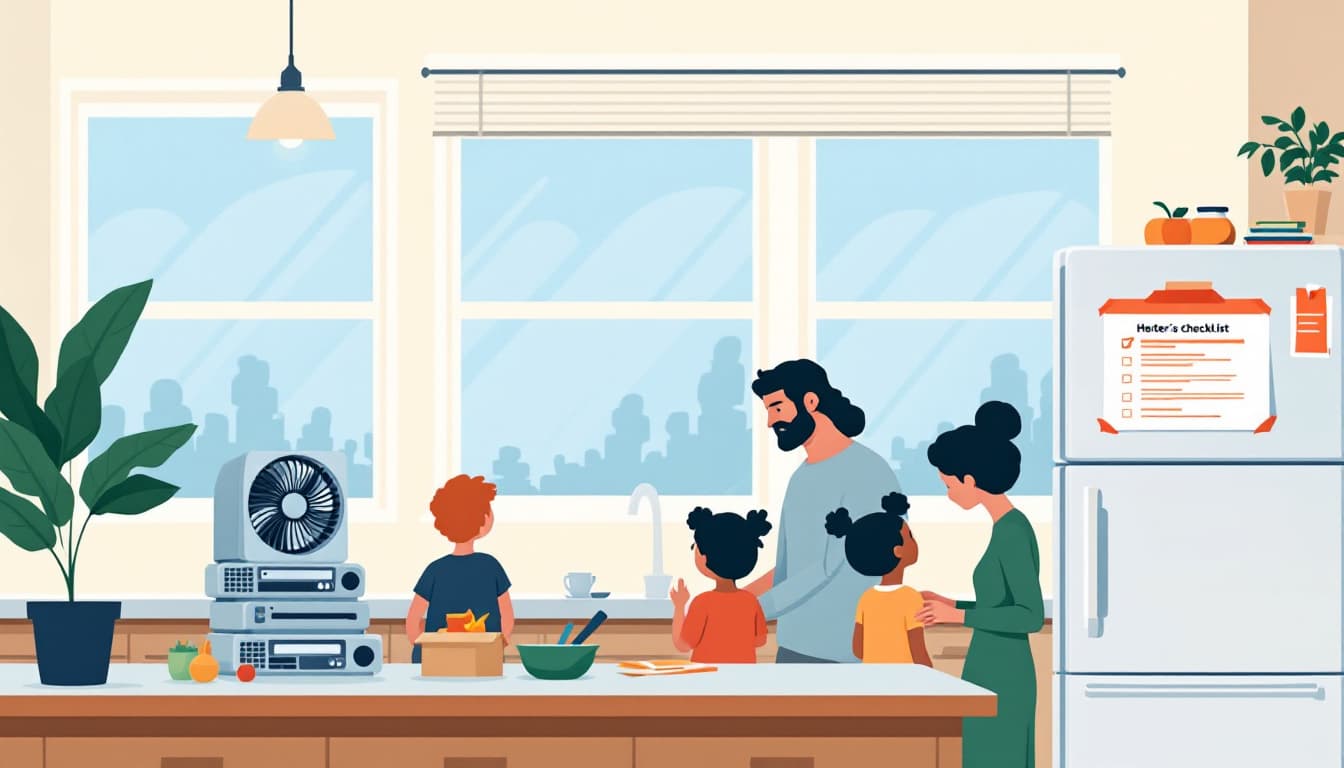
Have a heat illness response protocol that your whole household knows. Recognizing the difference between heat exhaustion (heavy sweating, weakness, cool or pale skin) and heat stroke (hot dry skin, confusion, loss of consciousness) is the difference between a bad afternoon and a 911 call. The protocol is simple: heat exhaustion responds to moving to a cool space and oral hydration; heat stroke is a medical emergency requiring immediate cooling and EMS. Print this. Put it on the refrigerator before June.
The bigger picture
UNF is not building this lab because Florida summers are uncomfortable. They're building it because the physiological limits of the human body are being tested at a population scale in this state, and the data needed to understand those limits doesn't fully exist yet. That's a reasonable institutional response to a real problem.
Your household doesn't need to wait for that research. The interventions above are not expensive, not dramatic, and not premised on any particular forecast for how bad this summer will be. They are premised on the fact that Florida in June is already a physiological stress environment, and that most households have never actually prepared for a 72-hour cooling failure.
Durability doesn't mean building a bunker. It means knowing, right now, that your family has a cool room, a water supply, a county cooling center address, and someone checking on the most vulnerable people in your home before the heat index hits 105.