A report this week from the Tallahassee Democrat notes what anyone stepping outside in Florida already knows: the heat is punishing, the humidity is unrelenting, and the Atlantic tropics are, for now, unusually quiet. That last part is the detail worth unpacking. When there's no named storm on the radar, Florida households tend to stand down from preparedness mode. That's exactly the wrong response in July.
What's actually changing
Heat in Florida isn't news. But this pattern — extreme sustained heat combined with a quiet storm season — creates a specific household risk that neither weather coverage nor hurricane prep guides typically address.
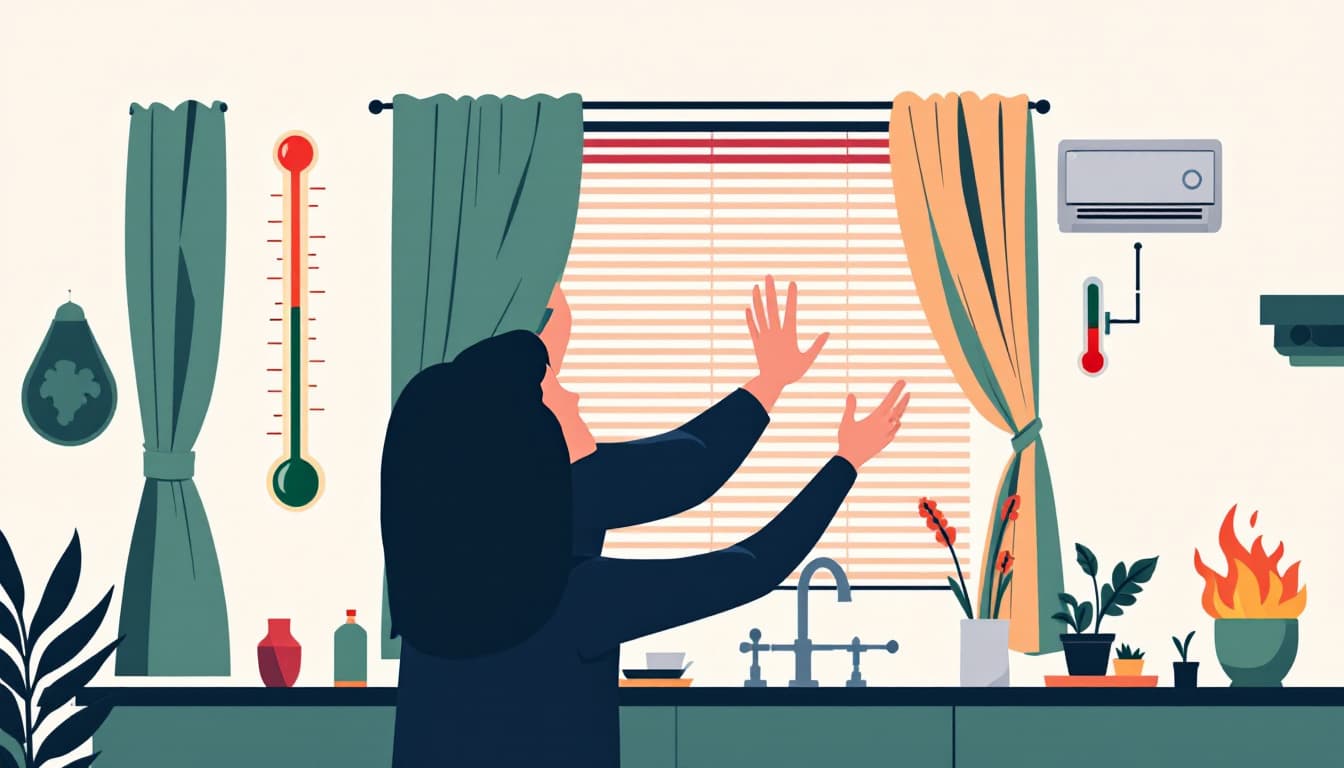
Air conditioners run hardest during sustained heat events. FPL, Duke Energy Florida, and TECO all operate under utility grid stress conditions when regional demand spikes over multiple consecutive days. Rolling brownouts and unannounced outages become more likely precisely when your AC is doing the most work. FEMA's household resilience data consistently shows that heat-related deaths in Florida spike not during the first hot day but during the third and fourth consecutive days of high overnight lows — when houses that lost power the previous night haven't had time to cool down.
The quiet tropics add a second wrinkle. Households that feel prepared because they assembled a hurricane kit are not necessarily prepared for a five-day heat emergency. Those are different kits, different protocols, different vulnerability profiles. Elderly relatives in inland Panhandle or Central Florida communities — farther from sea breezes, more likely in older housing stock — face more acute risk than coastal residents with newer construction and better insulation.
A third factor: July is when Florida's heat index regularly exceeds 105°F in the I-4 corridor and South Florida. At those levels, the body's ability to thermoregulate begins to fail within two to three hours of outdoor exposure, and medication interactions (blood pressure drugs, diuretics, antihistamines) accelerate that timeline. Most households don't have a plan for this.
What we'd actually do
Check your circuit breaker and your AC filter this week. A clogged air filter forces your unit to work harder, pulls more power, and is one of the leading causes of compressor failure during heat events. A clean filter costs nothing if you already have a spare; a compressor replacement in July in Florida runs $1,500 to $3,000 with a weeks-long wait. Pull the filter, hold it to a window — if you can't see light through it, replace it.
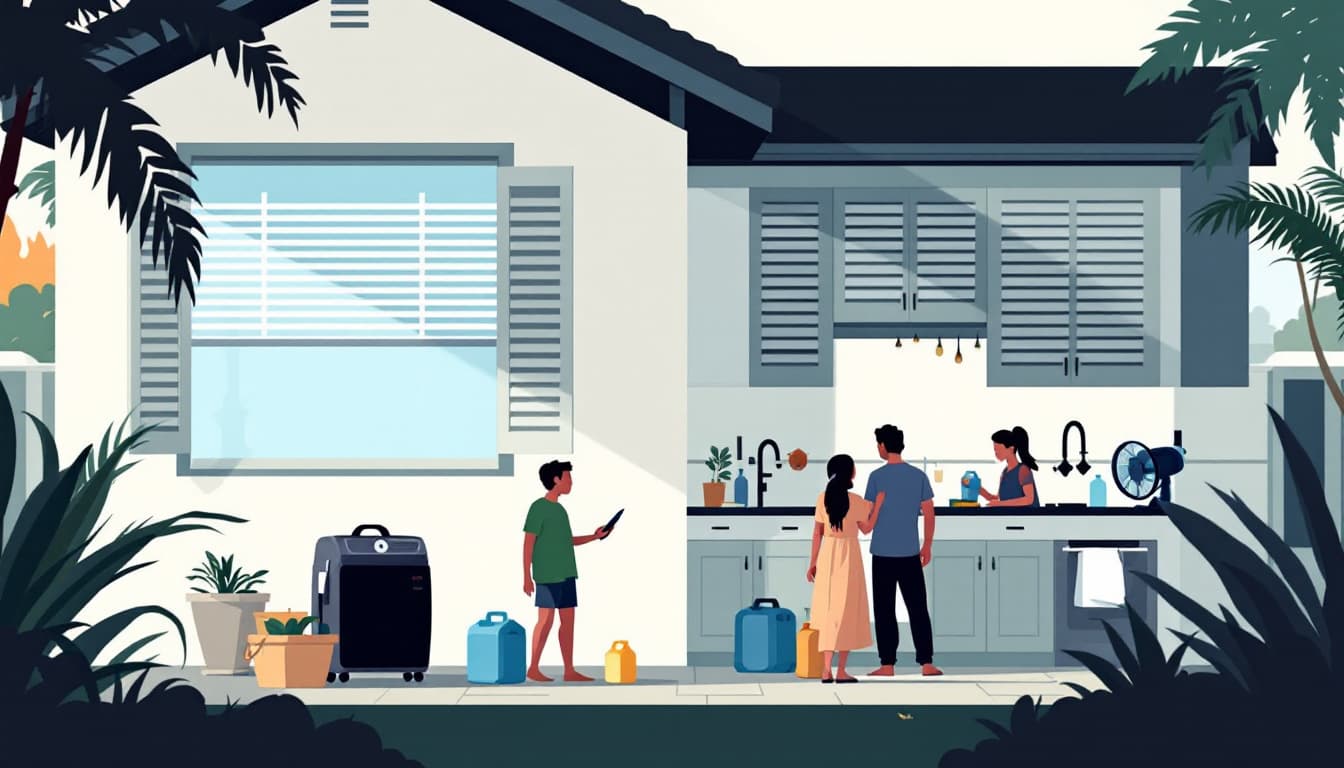
Map your household's cooling backup options before the grid goes down. This means knowing your nearest county cooling shelter in advance — not looking it up after the power's been out for six hours. Florida counties post these on their emergency management sites (e.g., Leon County EM, Orange County Emergency Management). Identify one within 20 minutes of your home, confirm it accepts pets if relevant, and save the address offline or in a paper note.
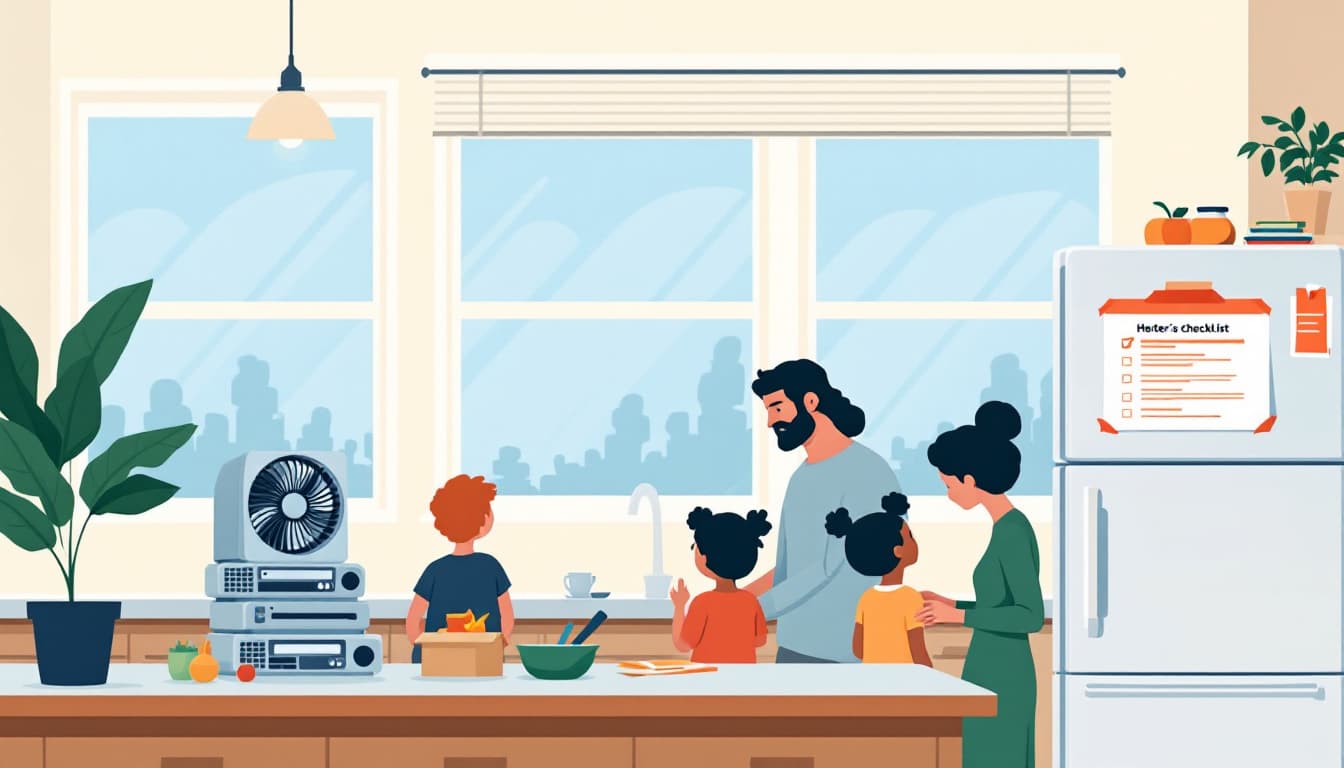
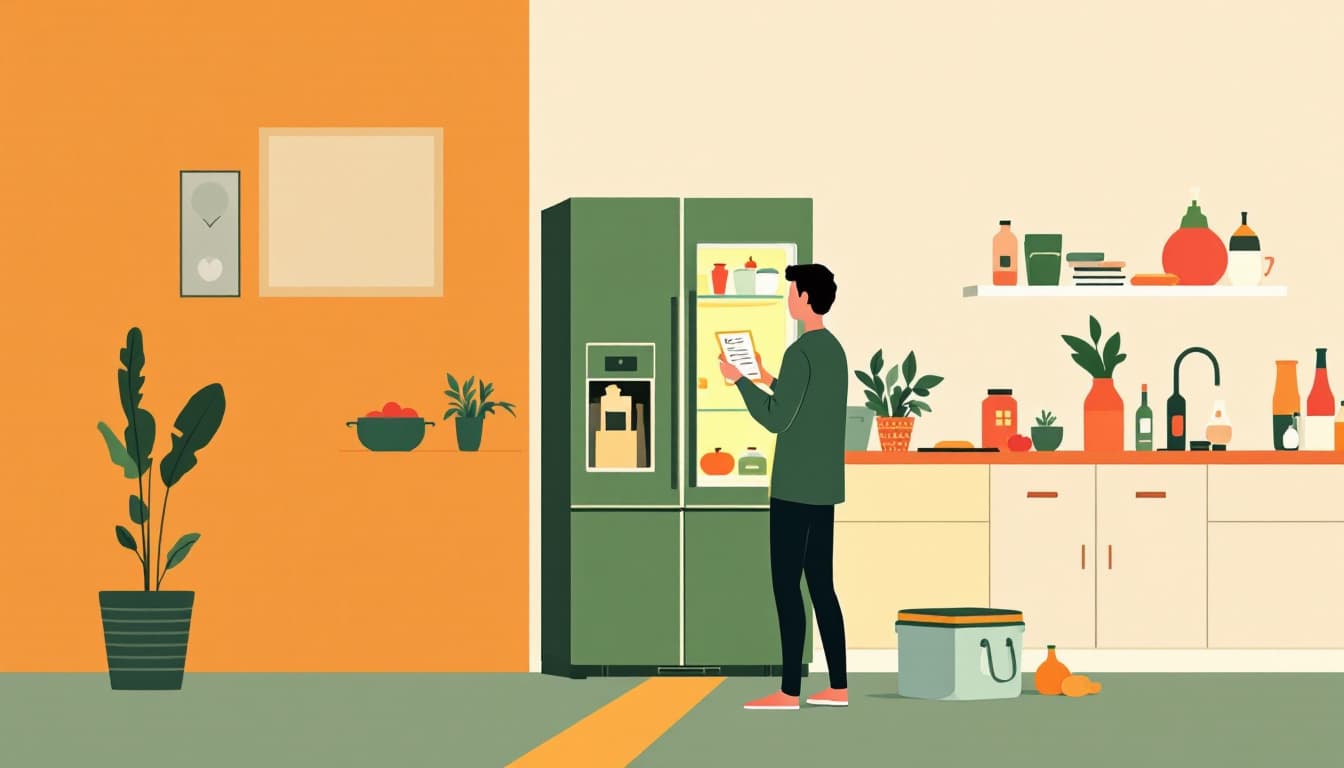
Build a "no-power night" kit that's separate from your hurricane supplies. This is a small, specific kit: a battery-powered or USB fan, a spray bottle, electrolyte packets (not just water — Florida heat depletes sodium fast), a headlamp, and any prescription medications that need to remain below 77°F. Many medications degrade significantly above that threshold. Check your prescriptions now, not during an outage.
Call or visit your most heat-vulnerable household contacts today. Florida's older adult population is disproportionately concentrated in inland communities where heat is worst and social check-in networks are thinner. A five-minute phone call to confirm someone has a working AC, knows where a cooling center is, and has water on hand is more valuable than any piece of gear.
Freeze two to four water bottles tonight. During a power outage in Florida summer heat, a frozen bottle buys you hours of cooler air in a small space and helps preserve medication. It costs nothing and takes 30 seconds of forethought.
The bigger picture
The quiet tropics won't stay quiet indefinitely — peak Atlantic hurricane season runs August through October. But between now and then, Florida households face a sustained threat that doesn't generate evacuation orders or news alerts: ordinary heat, ordinary grid stress, and the ordinary accumulation of small decisions that either protect a family or expose it.
Durability isn't about having a bunker or a $400 generator. It's about knowing where the cooling center is, having a clean AC filter, and checking on the neighbor whose car hasn't moved in two days. Those things are free. Do them this week.