The last week of June in Texas is not a weather story. It is a logistics story. The grid is under load. The asphalt in Austin, Houston, and San Antonio is hot enough to burn a dog's paws in under a minute. And a power interruption that lasts four hours in July is not an inconvenience — it is a medical event for elderly relatives, infants, and anyone on certain medications.
A report this week from FOX 7 Austin covers Texas Parks and Wildlife's new extreme heat guide for outdoor visitors and pets. The agency's guidance is sensible as far as it goes: hydrate, time your hikes before 10 a.m., watch for signs of heat stroke in animals. What it doesn't cover is what happens when the heat follows you home.
What's actually changing
Texas summers have always been brutal, but the combination of longer high-heat streaks, an aging housing stock with inconsistent insulation, and a grid that is carrying more load than it was designed for makes heat a household infrastructure problem. ERCOT has issued conservation appeals in recent summers when reserve margins tightened; those requests are not panic — they are signals that the system is operating near its limits on peak days.
The risk concentrates fast. A home that loses cooling at 2 p.m. on a 105-degree day in the Dallas–Fort Worth Metroplex will hit unsafe indoor temperatures within two to three hours if it's poorly insulated. Older slab homes from the 1970s and 1980s, common across suburban Texas, have little thermal mass and thin attic insulation. They heat up quickly.
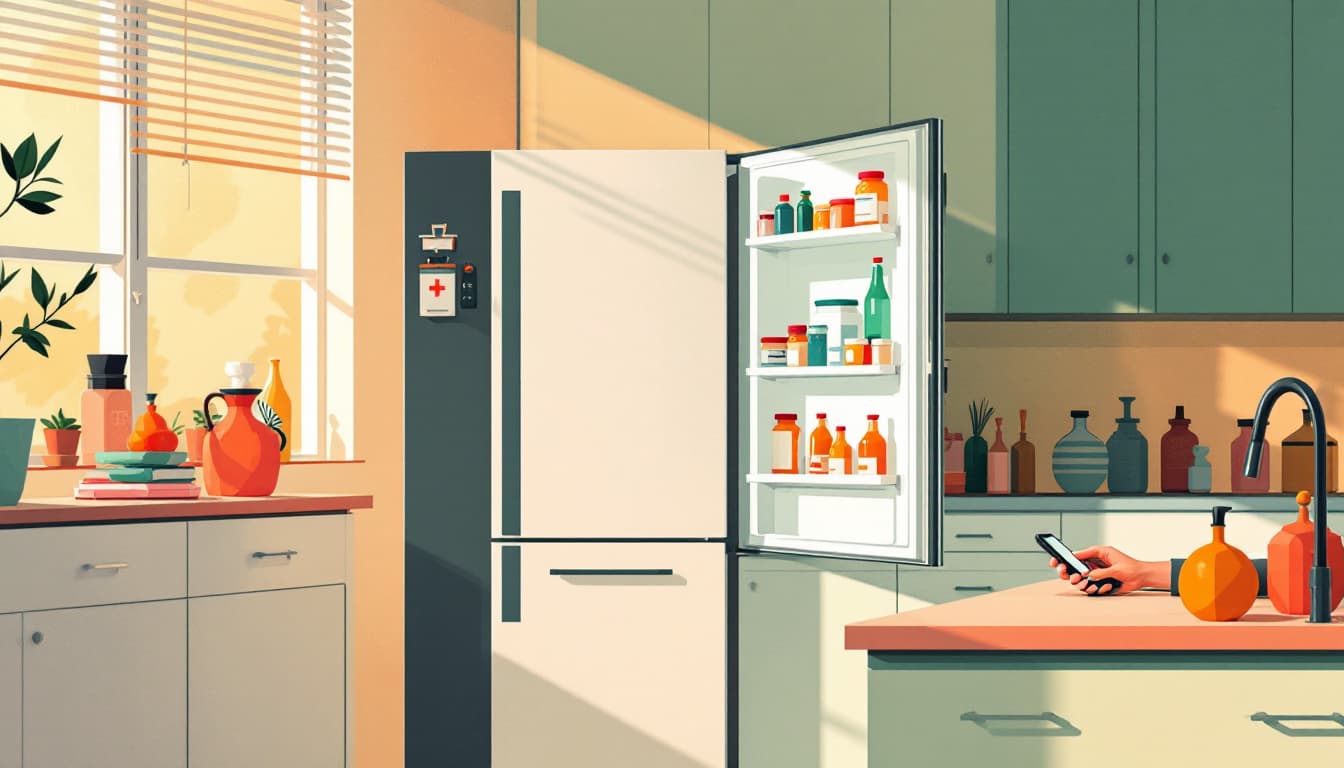
Medications are a separate vulnerability most preparedness coverage skips entirely. Insulin, certain cardiac drugs, and some psychiatric medications degrade or become dangerous above 80°F. If your household depends on any of these, a four-hour outage is a pharmacy problem, not just a discomfort problem.
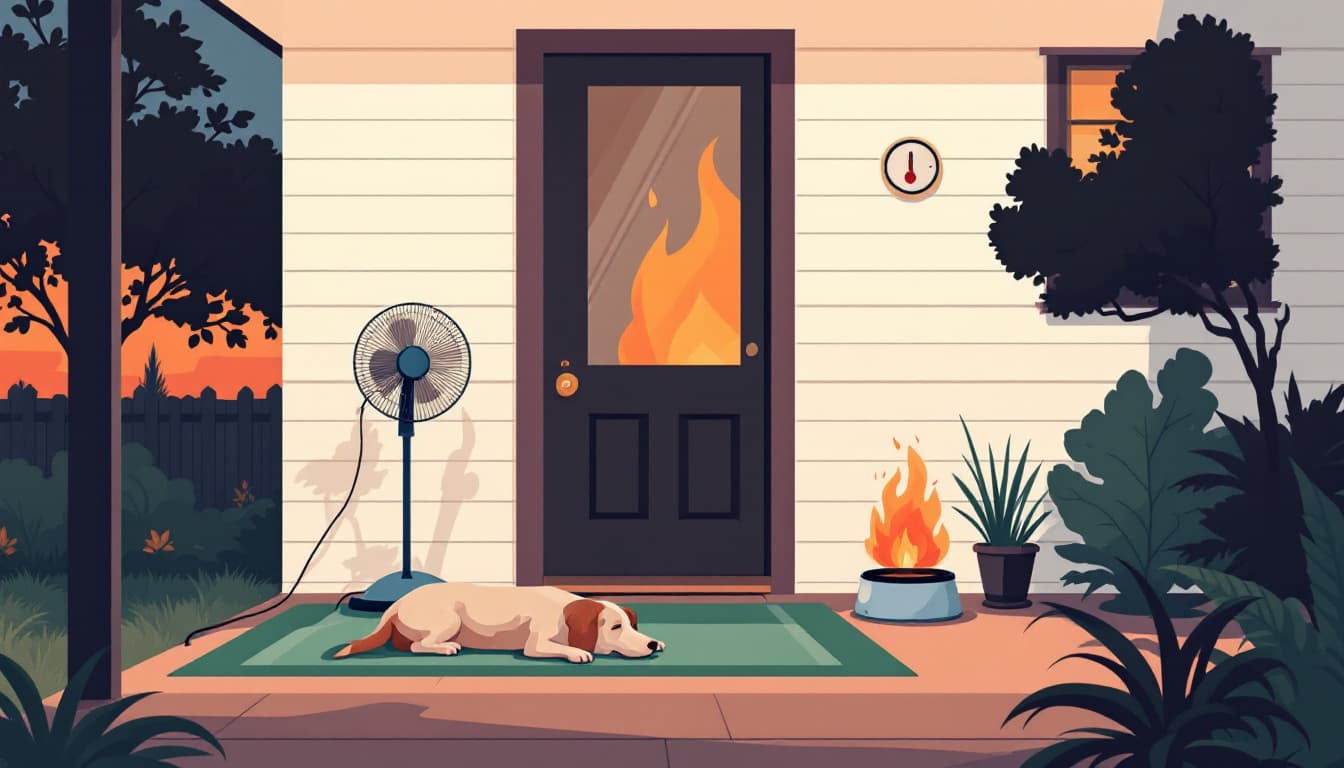
Pets are a genuine second-order risk. Pavement temperatures in direct sun can exceed ambient air temperature by 40 to 60 degrees. A dog walked on asphalt at noon in July can suffer pad burns in minutes — the TPWD guidance flags this correctly.
What we'd actually do
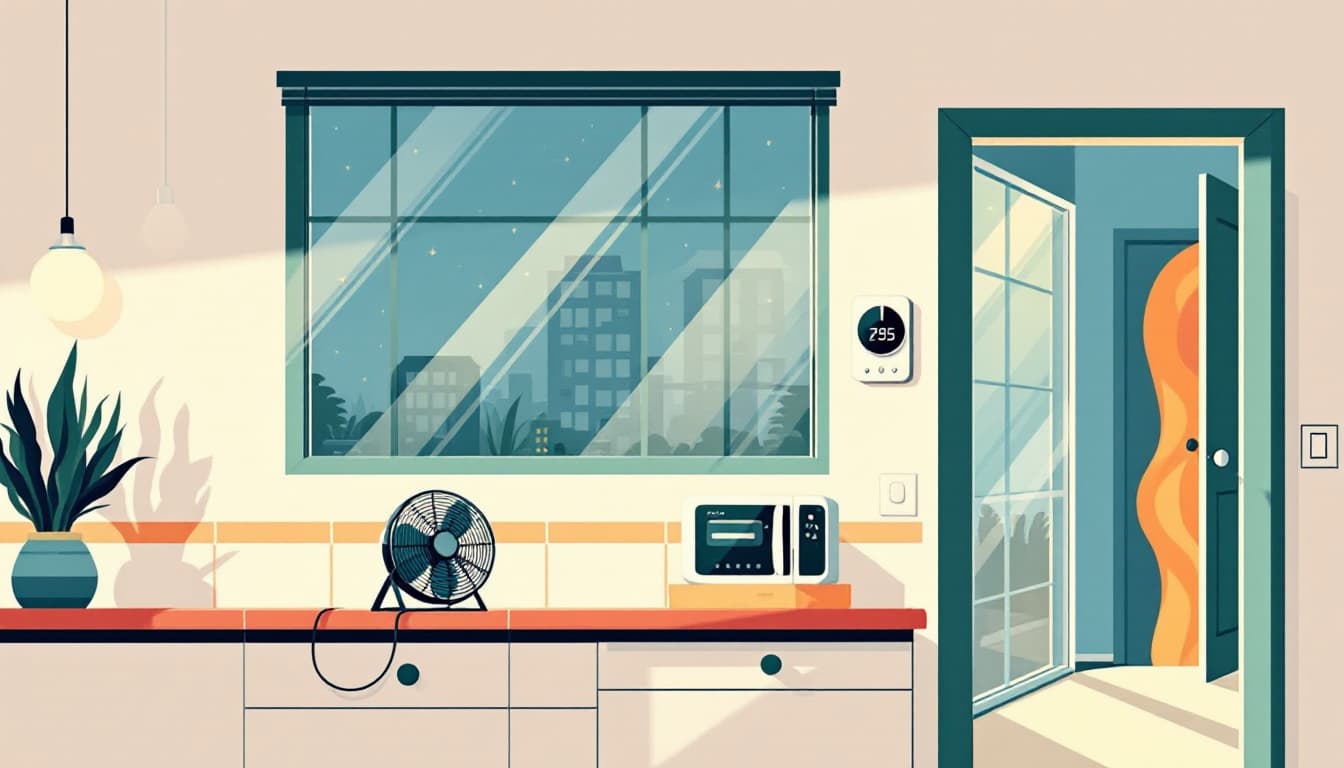
Know your home's thermal decay rate before you need to. Close everything up on a hot day and note how fast interior temperatures rise when the AC is off. This tells you whether you have two hours or four before conditions inside become dangerous for vulnerable people. One afternoon of uncomfortable awareness beats finding out during an actual outage.
Build a cool-refuge plan with a specific address. "We'll go somewhere" is not a plan. Identify one location — a family member's house, a library, a mall — that is within 20 minutes, reliably cooled, and accepts your pets if that matters. Write it down. Tell the people in your household. Texas has a network of designated cooling centers that activate during heat emergencies; your county's emergency management office maintains the current list, and it's worth bookmarking now rather than searching for it during an outage.
Sort your medications today. Pull out anything your household takes regularly and check the storage temperature range on the label or package insert. If any of them require refrigeration or degrade above 77°F, call the prescribing pharmacy this week and ask what the protocol is for extended power outages. Some medications have emergency dispensing options; you should know this before you need it.
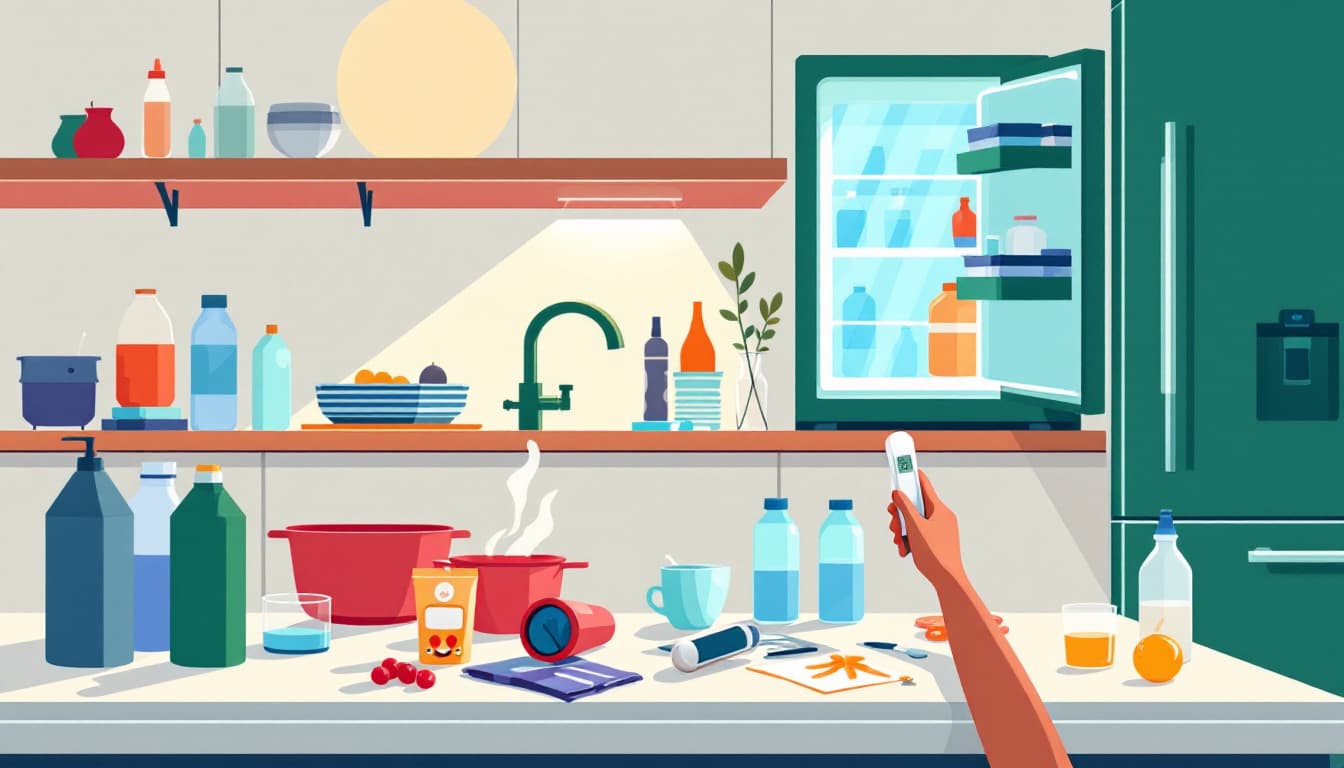
Get a battery-powered or USB fan and a corded thermometer. A quality box fan costs under $30. An indoor thermometer with a high-temperature alarm runs $12 to $20. These two items, plus a cooler with ice or frozen water bottles, extend the safe window in a cooling-loss event by several hours. You don't need a generator to buy time.
Check your attic insulation and weatherstripping before August. A tube of door-sweep adhesive and a bag of blown insulation are under $60 combined at any Texas hardware store. Neither one is glamorous preparedness. Both meaningfully slow the rate at which your house becomes an oven.
The goal here is not to fear a Texas summer. It is to treat heat the same way a sensible household treats any known, recurring risk: with a small amount of preparation done in advance, when it's still calm and the AC is running.
Texas Parks and Wildlife is right to get people thinking about heat before they're standing in it. The household version of that same thinking is just quieter, takes an afternoon, and costs less than a tank of gas.