The San Luis Obispo Tribune reported this week that a heat advisory has been issued for Central California running Thursday through Saturday. That corridor — roughly from the southern San Joaquin Valley up through San Luis Obispo County — sits in terrain that turns into a convection oven when offshore flow stalls and temperatures push into the triple digits. The advisory itself is not unusual for June. What matters is whether your household is actually ready for three consecutive days of serious heat, or just assumes it will be fine because it usually has been.
What's actually changing
Heat advisories in California are issued by the National Weather Service when conditions are expected to be dangerous but not yet at the extreme-heat-warning threshold. The distinction matters less than most people think. Sustained temperatures above 100°F stress the grid, stress bodies, and expose every assumption you've made about your home's cooling capacity.
California's grid has improved its demand-response tools since the rolling outages of a few summers ago, and CAISO — the state's grid operator — has added battery storage capacity. But distributed strain is still real. When the advisory covers a multi-day stretch across a densely populated inland region, voluntary conservation notices often follow. If you have medical equipment, refrigerated medications, or a household member who is elderly or has cardiovascular conditions, "the grid is probably fine" is not a plan.
The Central Coast and southern San Joaquin Valley also have a significant population of households without central air conditioning — older bungalows in Paso Robles, farmworker housing in the valley, coastal homes in communities that historically didn't need AC. These households are not marginal edge cases. They are the ones that show up in county heat-related illness data every summer.
What we'd actually do
Locate your county's cooling centers before Thursday. Cal OES and county emergency management offices maintain lists, but they are often buried. Search "[your county] cooling centers 2026" now, before the heat arrives, and save the address and hours in your phone. You want this information when it's 108°F and your elderly neighbor is asking.
San Luis Obispo, Fresno, Kern, and Kings counties all have public cooling center programs, but hours and locations shift seasonally. Do not assume the location from last summer is still open or still listed.
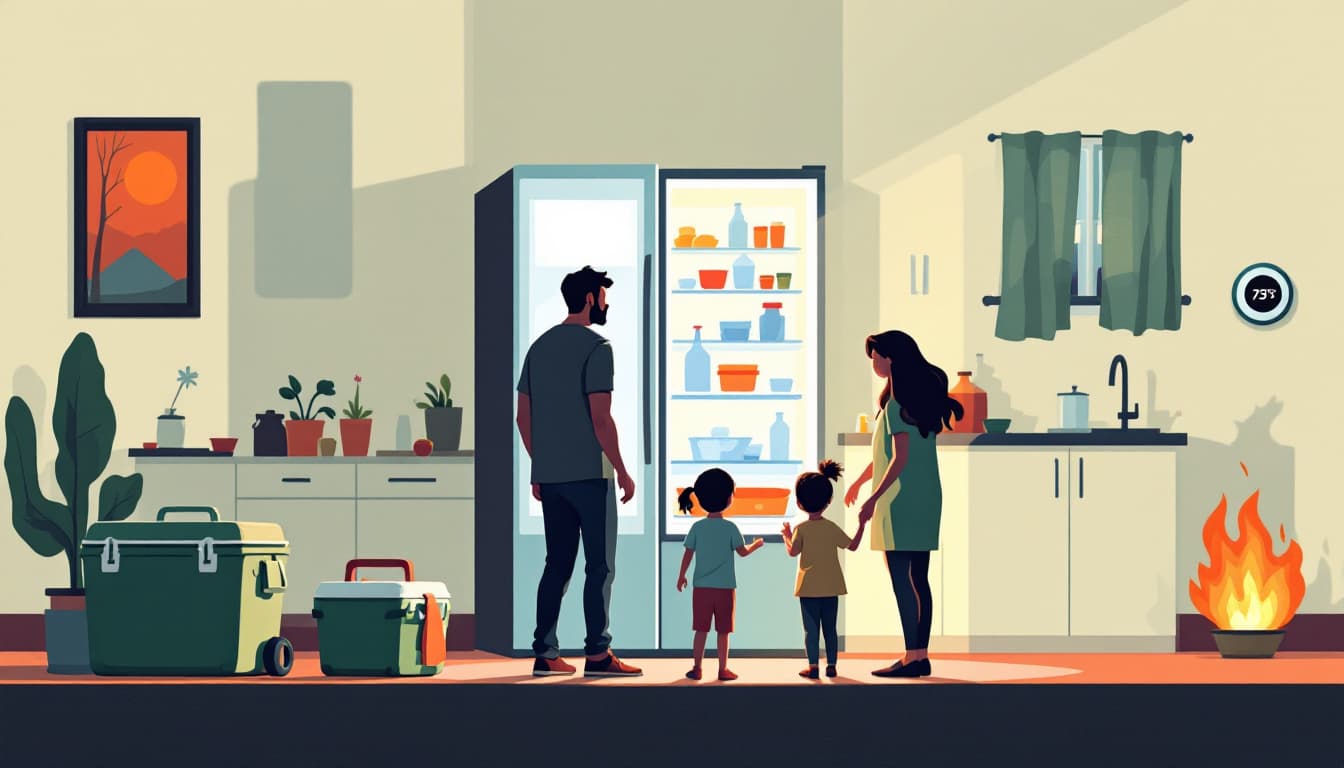
Audit your medications today. Insulin, certain blood pressure medications, and several psychiatric medications degrade faster above 77°F. If anyone in your household takes temperature-sensitive medication, check the storage guidance on the label or call your pharmacist this week. A small personal cooler and a few reusable ice packs cost under $20 and keep medications viable during a power interruption or when your home can't hold a safe temperature.
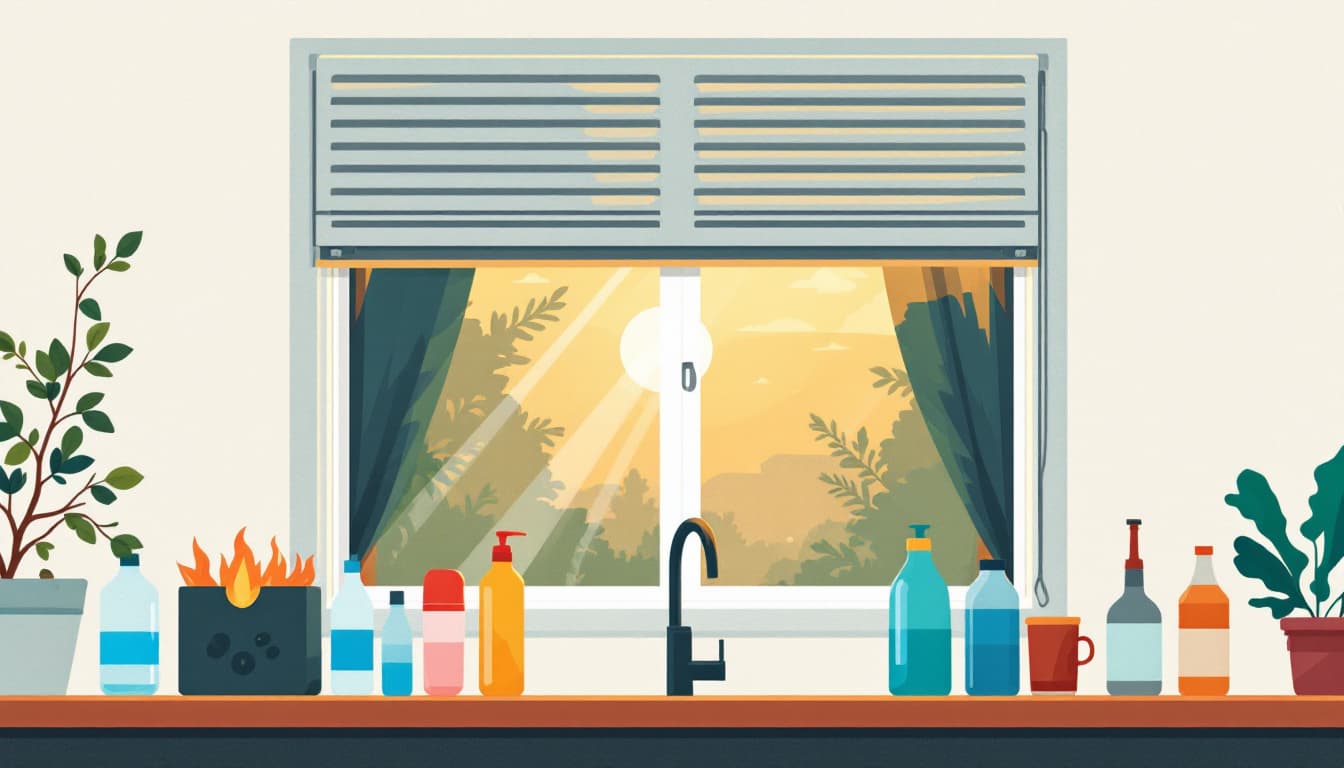
Create a 15-minute cooling protocol for your home. The most effective low-cost intervention is thermal management before peak heat — not during it. Close south- and west-facing blinds before 10 a.m. Run fans to push hot air out at night when outdoor temps drop. Pre-cool rooms you plan to use. This sounds obvious but most households default to reactive cooling, which is both less effective and more expensive.
Check on one neighbor. Not a general "check on people" directive — pick a specific person. Older adults living alone and people who work outdoors are the highest-risk groups in heat events, and California's heat mortality data consistently shows that social isolation is a stronger risk factor than income. A five-minute conversation Wednesday afternoon costs nothing.
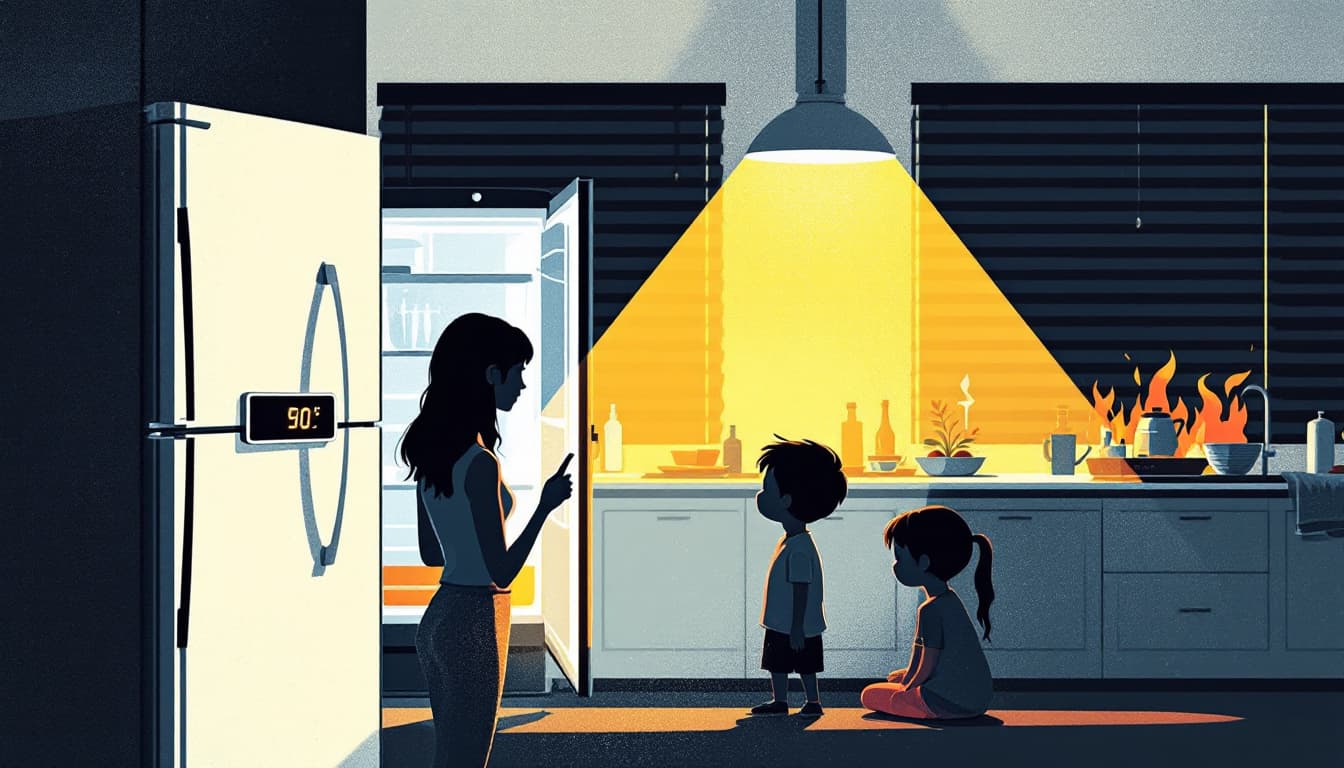
Know your threshold for leaving. If your home cannot stay below 85°F for sleeping, you should have a plan: a family member's home with AC, a hotel, a cooling center. Families that wait until someone is symptomatic have already waited too long. Decide in advance what condition triggers a move, and make sure everyone in the household knows it.
The bigger picture
A three-day heat advisory is not a catastrophe. California households that live in the Central Valley or the inland Coast Ranges deal with heat every summer, and most get through it without incident. The point is not to panic — it's to close the gap between "we've always been fine" and having a real plan. Heat is the leading weather-related cause of death in the United States, and almost all of those deaths are preventable. The households that fare worst are the ones that assumed the heat would be manageable until it wasn't.
Durability is not about surviving the worst-case scenario. It's about not being caught flat-footed by the entirely predictable one.