On a clear day, you can see the Cascades from Spokane. This weekend, you probably won't. A report from yoursourceone.com warns that smoke conditions are expected to worsen across Eastern Washington this weekend, pushed by fire activity and shifting winds across a region that has been tinder-dry since June. For households east of the mountains, this is not a preview — it is the season, and it typically doesn't break before late September.
What's actually happening with the air
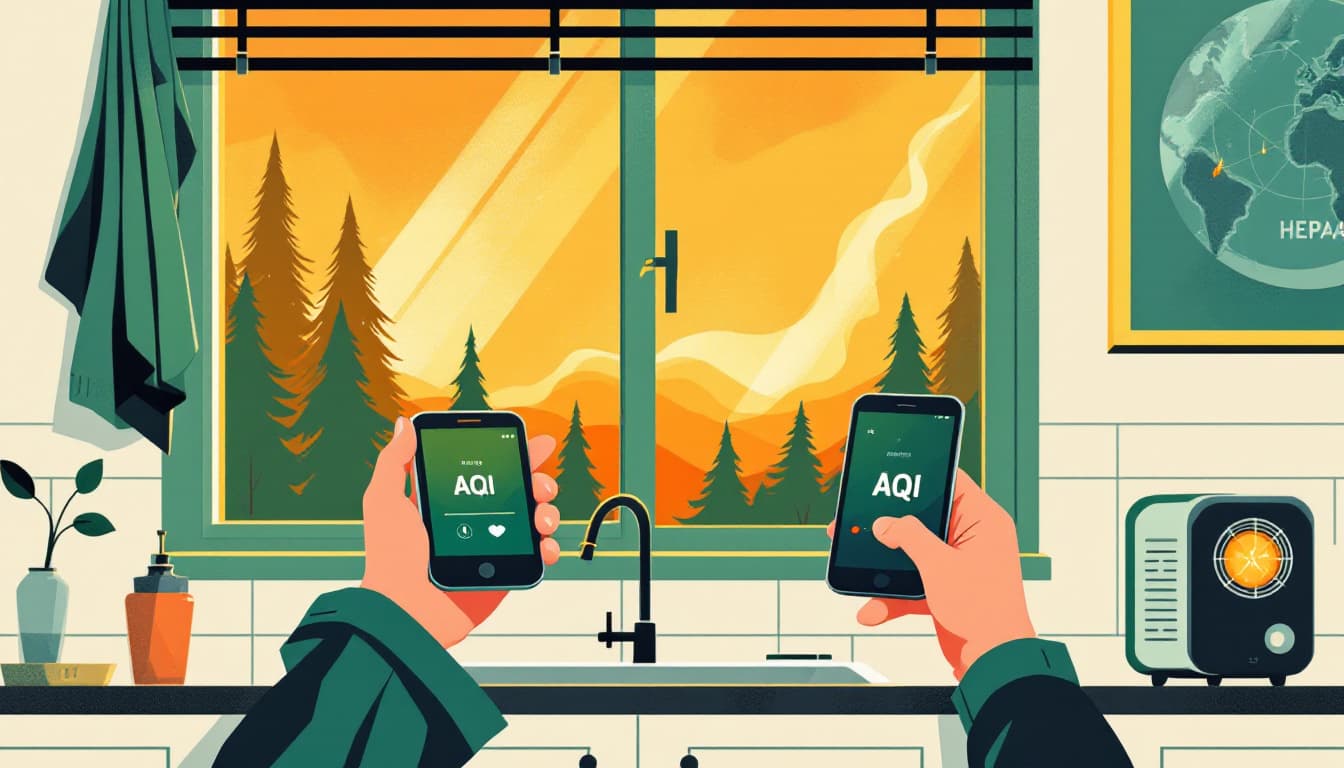
Wildfire smoke is not one thing. It is a mixture of fine particulate matter (PM2.5), carbon monoxide, volatile organic compounds, and, depending on what's burning, heavy metals and flame retardants from structures. The PM2.5 fraction is what damages lungs, and it moves through a house faster than most people expect. Standard HVAC filters — even the ones labeled "allergen" — are not rated to stop PM2.5 efficiently. The Washington Department of Ecology posts hourly air quality data at its AirWatch monitoring network; Spokane, Yakima, Wenatchee, and the Tri-Cities all have active sensors. That site, not a weather app, is the right place to check before deciding whether to open windows or run an errand.
The Cascades create a real divide. Western Washington gets smoke occasionally, but Eastern Washington households face multi-week stretches of unhealthy and sometimes hazardous air every summer now. The infrastructure for managing that — cleaner indoor air, stocked supplies, a plan for vulnerable family members — is just seasonal household maintenance at this point.
What we'd actually do
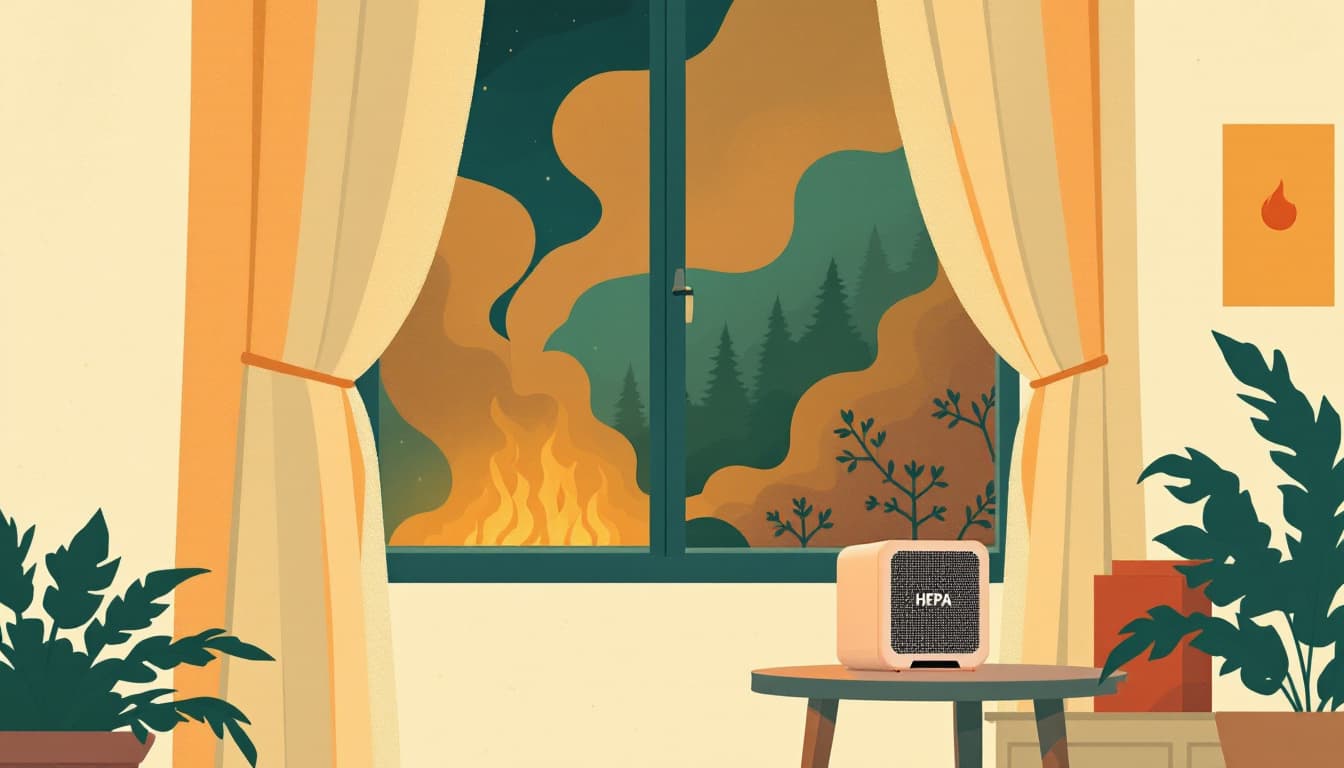
Seal and filter your home before conditions peak, not after. Close all windows and switch your HVAC to recirculate. If you have a forced-air system, swap in a MERV-13 filter and check that it's seated without gaps around the edges. A loose filter edge defeats the whole system. MERV-13 is widely available at hardware stores across the Spokane and Tri-Cities metro areas and costs $15-30 per filter — this is the minimum rating that provides meaningful PM2.5 reduction in residential systems.
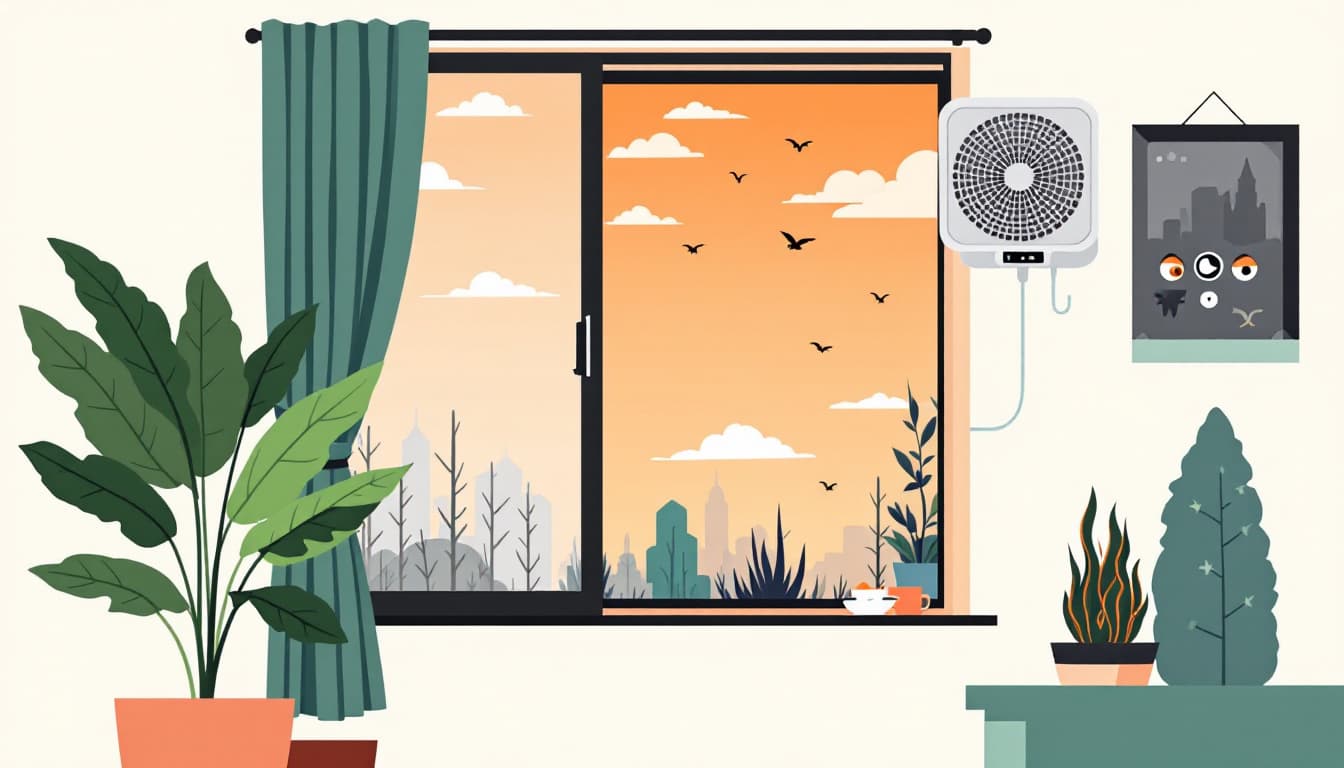
Build or buy a box-fan air cleaner for the rooms where you sleep. A 20x20-inch box fan with a MERV-13 or HEPA-rated furnace filter taped to the intake side moves meaningful air volume through filtration. University of Washington research has tested this design and found measurable PM2.5 reduction in enclosed rooms. One fan per sleeping room is the practical target for most households with children or older adults.
Stock at least a two-week supply of medications for anyone with asthma or COPD. Pharmacies in Yakima and the Spokane Valley get depleted during extended smoke events as people scramble to refill inhalers. If someone in your household uses a rescue inhaler, confirm there's a full backup on hand now. Call the prescriber for a 90-day supply before the next air quality alert, not during one.
Identify one confirmed clean-air destination you can reach without a long drive. If smoke becomes hazardous for several days and someone in the family is medically vulnerable, you need a plan that doesn't depend on I-90 being passable. A family member's house west of the Cascades, a hotel in Ellensburg or Cle Elum (which sit at the Cascade foothills and often have better air than the Yakima Valley), or a community cooling-and-air center listed by your county emergency management office. Washington's county emergency management agencies post shelter and resource lists during declared air quality emergencies — find yours before you need it.
Don't rely on KN95s for days-long indoor protection. Respirators are useful for short outdoor exposures — walking to the car, moving between buildings. They are not a substitute for a clean indoor space over a week-long smoke event. Wearing a respirator continuously at home is tiring, breaks seal around glasses, and creates false confidence that a leaky house is acceptable. Fix the house first.
The bigger picture
Eastern Washington has always had dry summers and periodic wildfire smoke. What has shifted over the past decade is the duration and frequency of air quality emergencies. A household that treats smoke season as a one-weekend inconvenience is not wrong — until it becomes a ten-day event and someone's asthma lands them in urgent care. The goal here is not a bunker full of supplies. It is a house that holds clean air, a family that has its prescriptions filled, and a plan that doesn't require perfect conditions to execute.
Durability through an August smoke week is achievable for most Washington families with about $60 in filters and one afternoon of prep. That is the scope of the problem. Treat it that way.