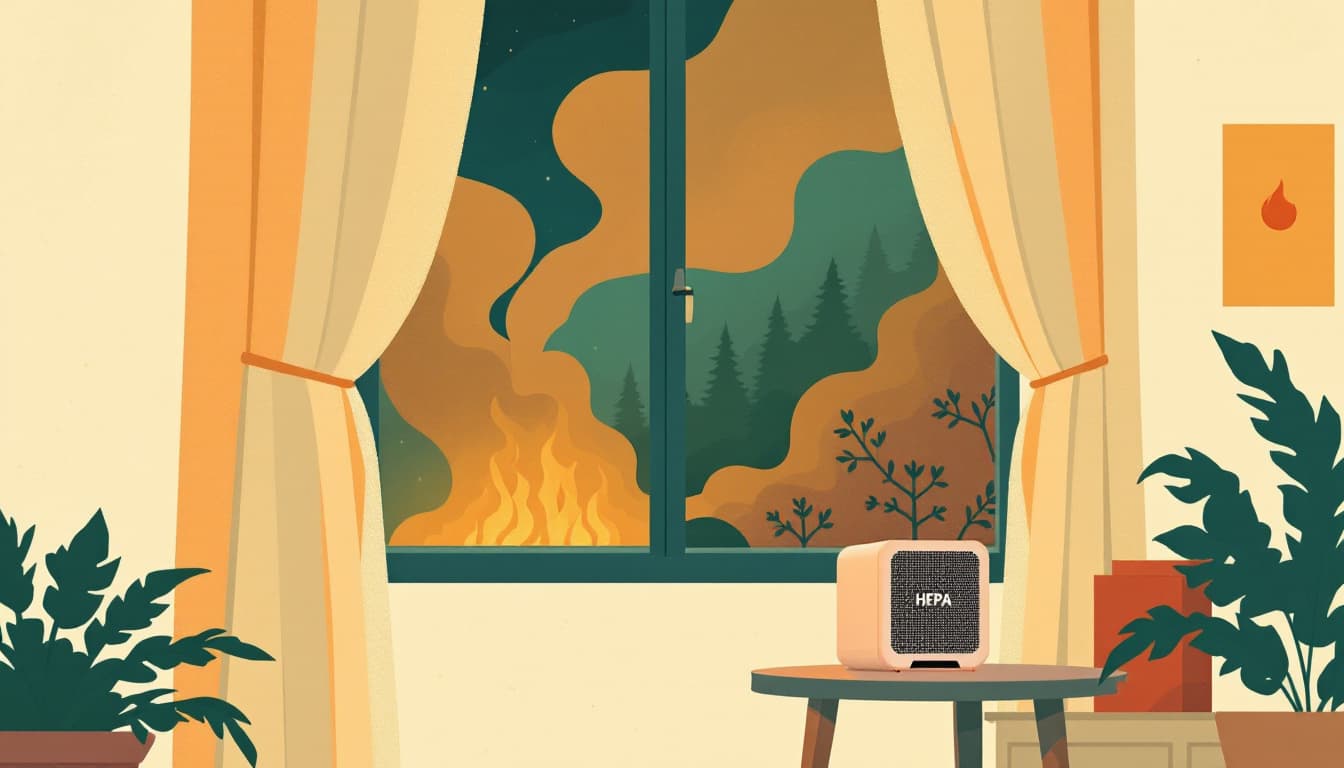
A KING5.com report this week noted that western Washington could see light wildfire smoke drifting into the region on Tuesday. Light. That word does a lot of work. For most Puget Sound households, "light smoke" reads as a non-event — the kind of thing you glance at on your weather app and ignore. That instinct is understandable and mostly wrong.
What's actually changing
The Cascades used to function as a reliable weather wall for western Washington. Marine air coming off the Pacific kept the Seattle metro, the Olympic Peninsula, and the I-5 corridor relatively insulated from the smoke that hammered eastern Washington, Oregon, and California every summer. That buffer has been eroding. Smoke events that reach SeaTac and Bellingham — cities that once measured fire season in days per year — are now measured in weeks, and the season is starting earlier.
The Washington State Department of Ecology runs an air quality network that publishes real-time AQI data by county. What that network shows in a typical smoke event is a gap between how the air looks and what the sensors register. Hazy skies with peaks above AQI 100 — the threshold where sensitive groups face real risk — can feel like an ordinary overcast July morning west of the Cascades. The particulate matter doing the damage (PM2.5, particles smaller than 2.5 microns) is invisible. You cannot smell your way to safety.
The households most exposed aren't the ones outdoors for an afternoon. They're the ones with older window AC units pulling unfiltered outside air, newborns or toddlers, people with asthma or COPD, and families who leave windows open overnight because western Washington summers typically don't require AC. Those conditions describe a large share of homes in King, Pierce, Snohomish, and Whatcom counties.
What we'd actually do
Check Ecology's AirNow page before opening windows, not after. Washington's Department of Ecology posts county-level AQI data at ecology.wa.gov and through the EPA's AirNow tool. During a smoke event, check it before you open your house in the morning. A reading below 50 is fine. Above 100, keep the house closed and run your HVAC on recirculate. Above 150, treat it as a significant health event for anyone with respiratory issues.
Make one box fan filter — tonight, before you need it. A box fan taped to a standard MERV-13 furnace filter (cut to fit, roughly $8–$12 at any hardware store) creates a functional DIY air cleaner that meaningfully reduces indoor PM2.5 concentrations. Studies from the University of Michigan and others have validated the basic design. It isn't a HEPA purifier, but it's deployable in under ten minutes and costs less than a restaurant dinner. Keep the filter in a drawer so you're not ordering one while smoke is already in your house.
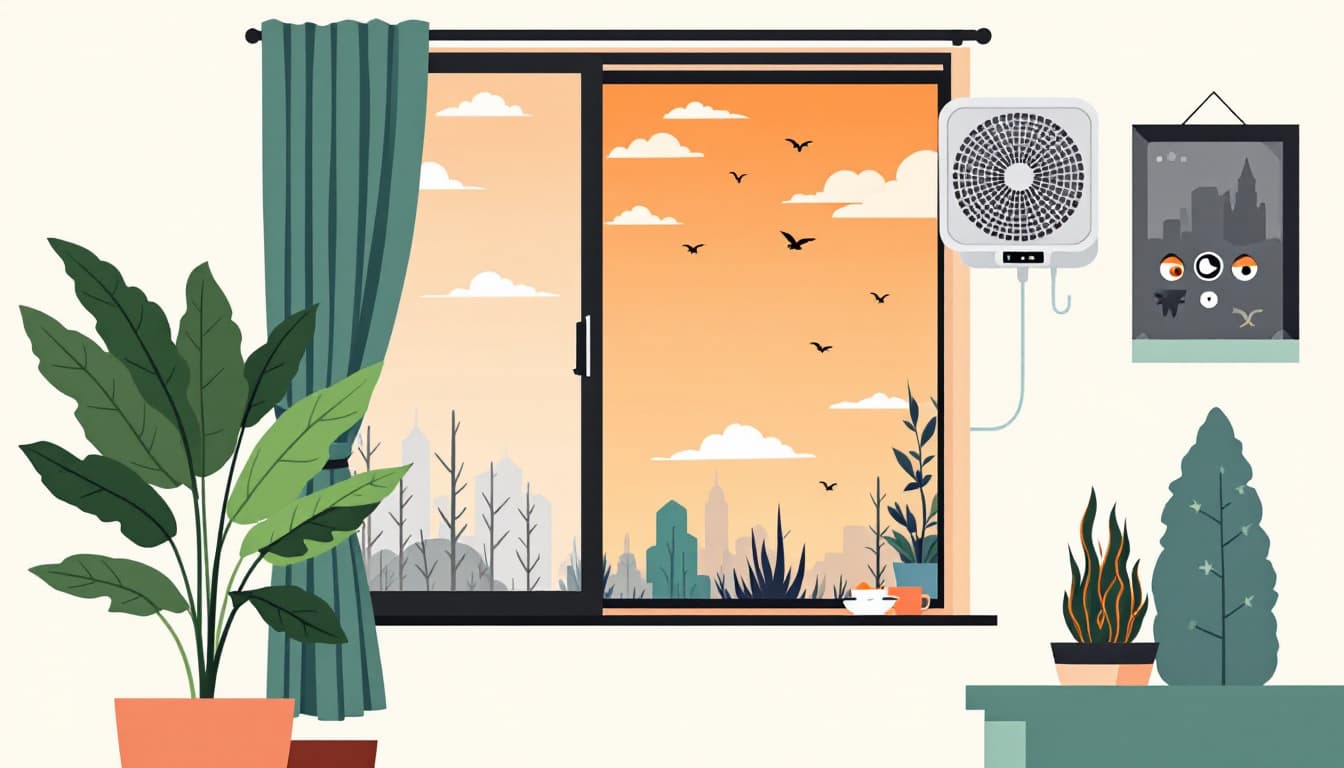
Know your household's vulnerable window. If you have a central air system, verify the filter is rated MERV-11 or higher and that the system is set to recirculate indoor air, not pull from outside. Window units are a weak point — most pull outside air by default. Sealing the exterior vent on a window unit during smoke events (a piece of tape over the intake slot works) reduces infiltration without requiring you to buy anything.
Identify a clean-air room in your home. Pick one interior room — typically a bedroom — that you can seal with minimal effort: a rolled-up towel under the door, a box fan filter running in the corner. This is your family's fallback space during a multi-day smoke event. You don't need to live in it. You need to know it exists and that it works before the air turns.
Download the Puget Sound Clean Air Agency app or set an AQI alert. The PSCAA covers King, Pierce, Snohomish, and Kitsap counties and issues health advisories specific to the region. Setting a phone alert for AQI above 100 in your county gives you a few hours of lead time to close the house before conditions peak. It's free. It takes two minutes.
The bigger picture
Western Washington households have had the luxury of treating wildfire smoke as someone else's problem for most of recorded history. That grace period is shrinking, not because catastrophe is imminent, but because the probability of a bad smoke week in July or August is now high enough that having zero preparation is a choice with real health consequences.
The goal here isn't a bunker. It's a box fan, a $10 filter, and a habit of checking a website. Resilience in smoke season looks almost exactly like resilience in any other slow-moving environmental shift: small, cheap, specific actions taken before you need them, so you're not improvising when the air turns orange on a Tuesday morning and your kid has soccer camp.