On the Fourth of July, smoke from Colorado wildfires had drifted far enough east to trigger a First Alert Weather Day in Vermont. WCAX reported the air quality event this week, attributing it to a combination of Colorado fire smoke and burns in western Quebec. When your state's air is degrading air quality 2,000 miles away, the people living closest to the source are breathing something far worse.
Colorado's fire season is not a future problem to prepare for. It's the current operating condition.
What's actually changing
The reach of this smoke event is the signal worth paying attention to. Smoke that crosses the continent doesn't do so at the same concentration it carries at the source. What Vermont experienced as a bad air day, communities on the Colorado Front Range, in mountain towns, and on the Western Slope experience as days when the AQI climbs past 150 — the "unhealthy" threshold where cumulative exposure starts to matter for everyone, not just vulnerable groups.
Colorado's Division of Fire Prevention and Control tracks active incidents throughout the summer. The pattern in recent years has been longer smoke seasons with more overlap between fires — meaning households face not one bad week but multiple multi-day smoke events per summer, sometimes with no clear break between them.
The compounding effect is what most households miss. A single smoke event is uncomfortable. Three or four events in a season, each lasting several days, add up to meaningful cumulative particulate exposure. The EPA's AirNow site provides real-time Colorado data by zip code; it's worth checking before opening windows in the morning rather than after.
Indoor air during a smoke event is not automatically safer. A Colorado home without a filtration plan can reach indoor AQI levels that approach outdoor readings within a few hours of a heavy smoke day, especially in older homes with gaps around doors and windows.
What we'd actually do
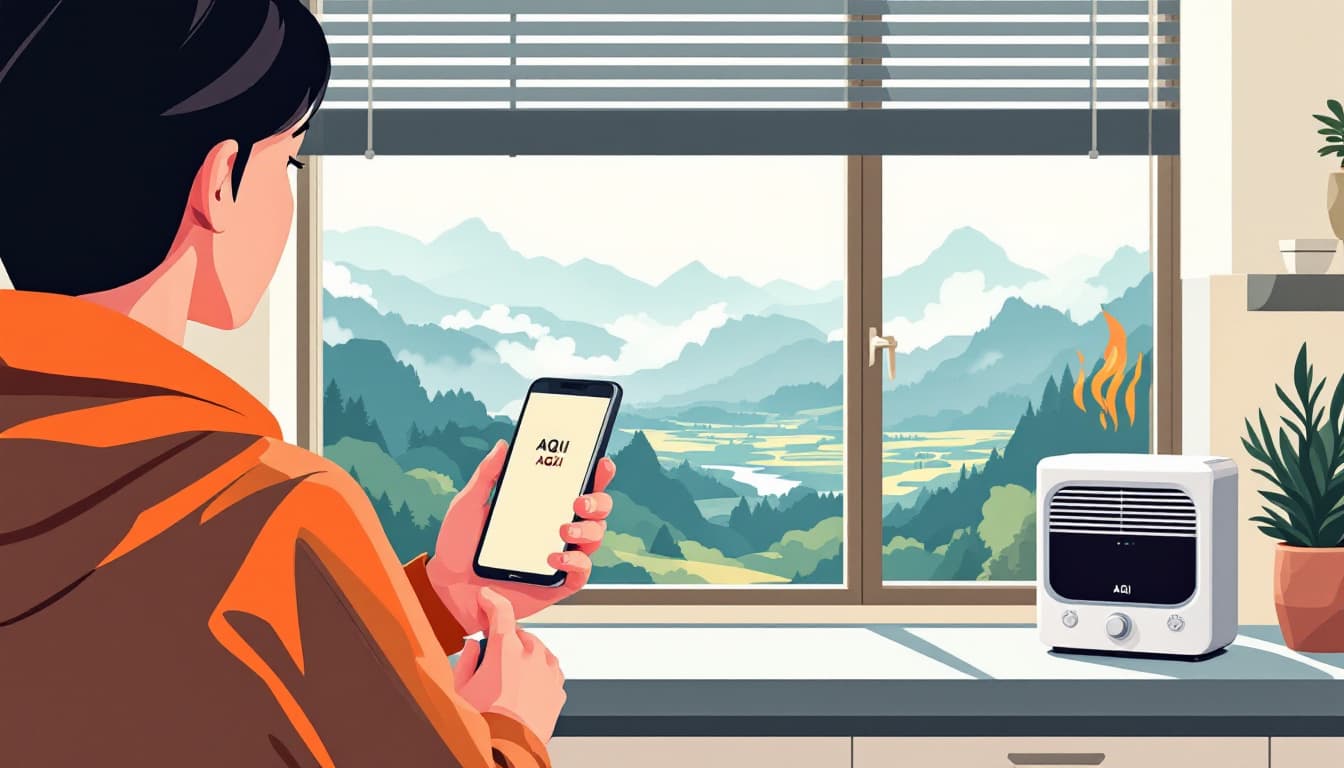
Check AirNow before you open windows each morning, now through September. The airnow.gov map updates hourly. This takes 10 seconds and changes your behavior on the days it matters. Smoke conditions in Colorado can shift by midday as winds pick up in the mountains and push air toward populated valleys.
Build a "clean room" in your home before the next event, not during it. Pick one room — ideally a bedroom — and identify how to seal it. A towel along the door gap, a window unit air conditioner set to recirculate rather than draw in outside air, and a HEPA-rated air purifier make a real difference. You don't need to outfit the whole house. One room where sensitive family members can spend the night during a high-AQI day covers most of the risk. Box-fan-and-MERV-13-filter setups (search "Corsi-Rosenthal box") cost roughly $50 to build and move more air than most consumer purifiers in their price range.
Stock N95 masks now, before a fire event dominates local news. Surgical masks do not filter fine particulate matter effectively. N95s rated by NIOSH do. A family of four needs a small supply — not a year's worth, but enough to get through a week of elevated smoke without rationing. Hardware stores in Colorado tend to sell out of N95s quickly once a major fire event is in the news.
Know where your nearest Colorado Department of Public Health and Environment (CDPHE) clean air shelter is. CDPHE designates cooling and clean-air centers during severe air quality events. If you don't have a functioning HVAC system or can't afford to run it continuously, knowing the nearest location ahead of time is worth 5 minutes on the CDPHE website.
Talk to anyone in your household with asthma, COPD, or cardiovascular conditions about their action plan before smoke season peaks. The question isn't whether there will be another bad air day this summer. It's whether your household knows what to do when it arrives — which medications should be accessible, when to call a doctor, and whether that person's workplace can accommodate remote work during a high-AQI event.
The bigger picture
Colorado doesn't need to catastrophize its fire season to take it seriously. Smoke is now a recurring seasonal condition that households can plan for with modest effort and modest cost. The goal isn't to seal yourself indoors indefinitely or flee to cleaner air states. It's to make the 5 to 10 bad-air days per summer manageable rather than reactive. That's a different posture than dread, and it's more useful.
The fact that Colorado's smoke reached Vermont this week is a data point, not a verdict. It does tell you that the scale of western fire activity has grown large enough to affect the entire country's air. Households here are simply closer to the source, which means acting before the smoke arrives rather than scrambling once it does.