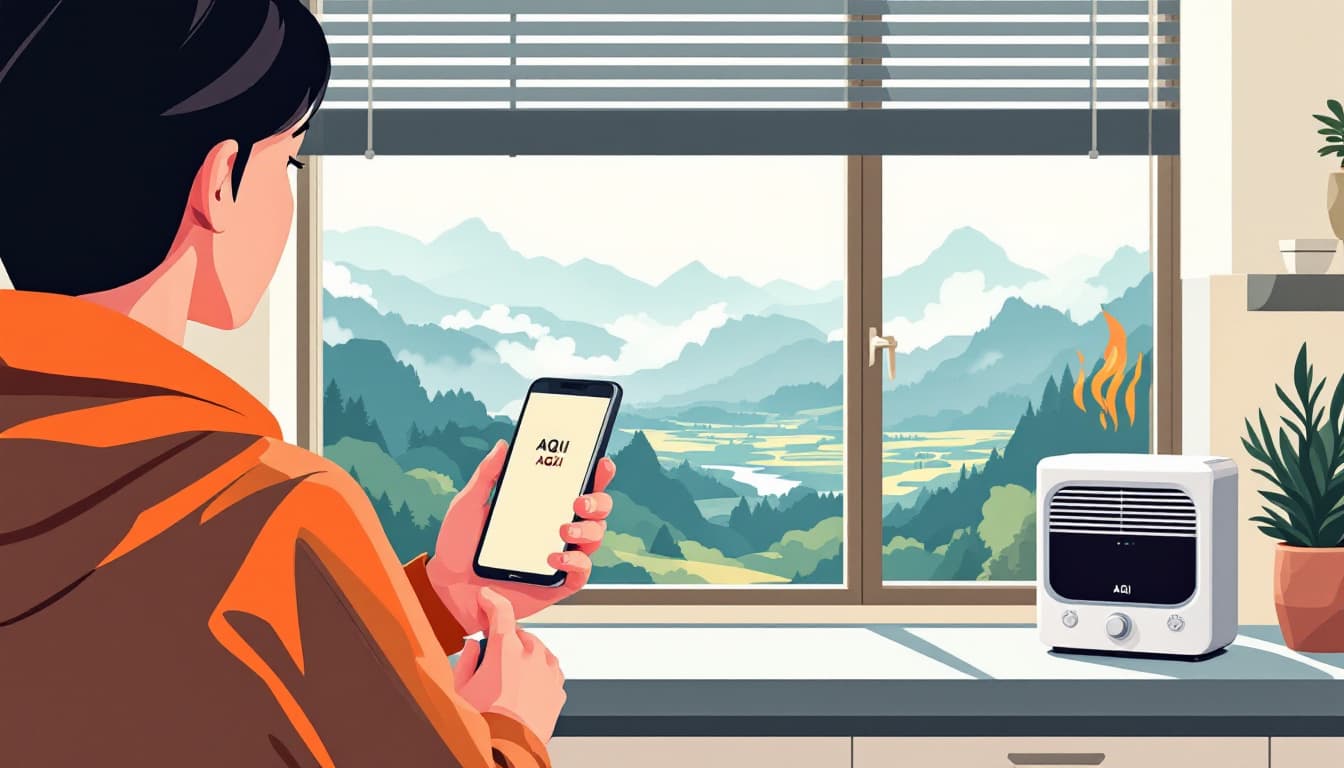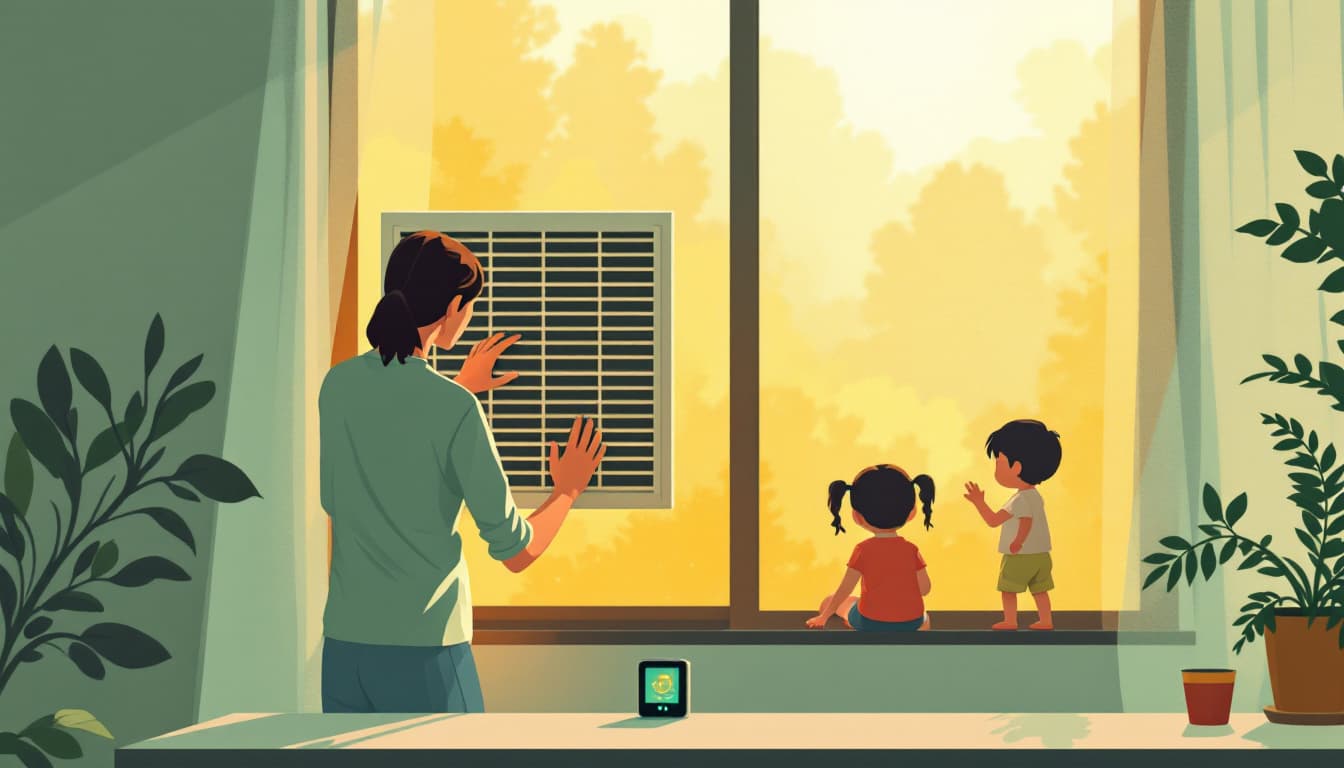
A Kool 107.9 report this week noted that smoke is spreading across Colorado, pushing air quality readings into ranges that health agencies flag as harmful for sensitive groups — and on bad days, for everyone. If you live along the Front Range or in any valley corridor from Pueblo to Fort Collins, you already know what this looks like: the mountains disappear before noon, your eyes itch by afternoon, and the kids start coughing before dinner.
This is not a freak event. It is Colorado's new summer baseline.
What's actually changing
Wildfire smoke in Colorado no longer tracks neatly with a single fire. Regional smoke from fires in New Mexico, Utah, Arizona, and the western slope drifts into populated corridors regardless of whether anything is burning locally. The Colorado Department of Public Health and Environment (CDPHE) monitors this through its Air Pollution Control Division, and their AQI alerts have been arriving earlier in the calendar year and lasting longer into fall.
The particle that matters most is PM2.5 — fine particulate matter small enough to bypass your nose and throat and lodge in lung tissue. When the AQI for PM2.5 crosses 100, people with asthma, heart conditions, or young children should be indoors. Above 150, it's a problem for healthy adults too. Colorado's mountain valleys trap smoke particularly well; a reading in Grand Junction or Glenwood Springs can spike faster and higher than a reading in Denver because of terrain.
Your house is not automatically safer than the street. Homes in Colorado, many of which were built for energy efficiency, still have enough air exchange that outdoor smoke infiltrates within a few hours of a bad-air event. That matters for how you think about your home's preparedness posture.
What we'd actually do
Check AQI before you open windows in the morning, not after. Colorado's air can look fine at 7 a.m. and hit Unhealthy by 10. The CDPHE's AirNow feed (airnow.gov) gives you the current and forecast AQI by zip code. Make it a 30-second habit before you throw open the house for the day. A forecast above 100 means you keep the house sealed and run whatever filtration you have.
Build a "clean room" with a box fan and a furnace filter. This is the $30 fix that actually works. Tape a MERV-13 or higher furnace filter to the intake side of a 20-inch box fan, point the exhaust into the room, and run it on medium. Studies from the EPA and several university air-quality labs have confirmed this design — sometimes called a Corsi-Rosenthal box — cuts indoor PM2.5 meaningfully in a single room. Pick one room where the household spends the most time and make it the retreat room on bad-air days.
Stock N95s for outdoor time you can't avoid. Surgical masks do not stop PM2.5. N95s do, when worn correctly. If you are walking the dog, getting the kids to a car, or doing yard work during a smoke event, an N95 is the difference between a meaningful exposure reduction and theater. Colorado households should have at least one per person on hand before July. They are currently widely available at hardware stores and pharmacies, typically under $2 each in small packs.
Know your household's medical baseline now. If anyone in your home has asthma, uses a rescue inhaler, or has a cardiac condition, talk to their doctor before the worst smoke days arrive — not during one. Ask specifically about action thresholds: at what AQI level should the inhaler regimen change, when does the doctor want a call, and whether a prescription spacer or updated medication is warranted. Emergency departments along the Front Range see a measurable uptick in respiratory visits during high-smoke weeks; avoiding that crunch is worth one proactive appointment.
Register for CDPHE air quality alerts. The division sends email and text alerts tied to your region when AQI is forecast to cross thresholds. It takes three minutes to sign up. This replaces the passive "I'll check the news" approach with an active notification that arrives before conditions deteriorate — giving you time to close windows, cancel outdoor plans, and spin up your filtration before the smoke is already inside.
The bigger picture
Colorado's smoke problem is cumulative. Each summer adds to a pattern that households here need to treat as infrastructure, not emergency. The families who fare best are not the ones who panic-bought expensive air purifiers after a bad week last August — they are the ones who made cheap, boring adjustments and embedded them into daily habit. A MERV-13 filter, an AQI app, and a box of N95s cost less than a single urgent care visit. That math is worth sitting with.
Durability is the goal. Not surviving a disaster. Getting through the summer with your household's health intact, your routines mostly undisturbed, and your kids able to play outside on the days when the air is actually clear.