France recorded roughly 1,000 excess deaths during a record-setting European heat event this month, according to a report from Audacy. That number is not a rounding error. It is a count of people — most of them elderly, many living alone — who died in homes that became too hot to survive.
California has buried its own tallies from events like this. The July 2006 heat wave killed more than 140 people across the state. The September 2022 event, which pushed grid demand to an all-time record of over 52,000 megawatts, killed dozens and sent hundreds more to emergency rooms. The lesson from France is not that Europe is unprepared and California is not. The lesson is that heat kills faster than most households expect, and that the deaths cluster in predictable places: top-floor apartments, inland valleys, homes without working air conditioning, and households where the adults are old or chronically ill.
What's actually different about this summer
California's grid operator, CAISO, has added significant battery storage capacity since 2022, and the state's Flex Alert system now triggers earlier in forecast events. Those are real improvements. But they don't change the thermal physics inside your home.
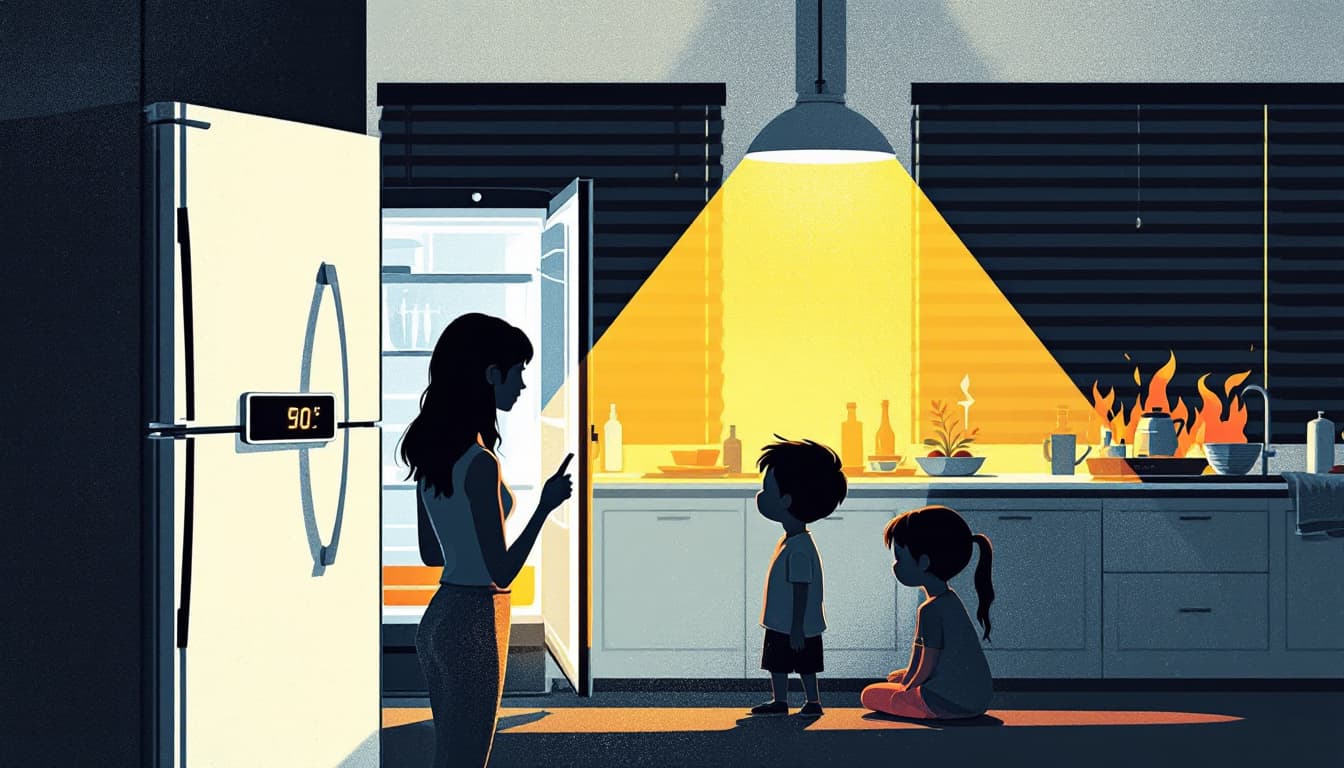
Homes in the Central Valley, Inland Empire, and parts of the Bay Area's inland reaches regularly see overnight lows that stay above 80°F during multi-day heat events. Once the interior of a house absorbs that heat, a single box fan does almost nothing. The body — especially a body over 65, or one on diuretics or antipsychotics — cannot shed heat fast enough. That is what kills people. Not a lack of information. A lack of cold.
California's cooling center network is real but uneven. Los Angeles County maintains a searchable locator through the county's emergency management site. Many rural counties do not have centers open past 8 p.m., which is exactly when indoor temperatures peak.
What we'd actually do
Locate your county's cooling centers before you need them. Call or look up your county Office of Emergency Services now, not during an event when circuits are busy. Write the address and hours on a piece of paper and put it on the refrigerator. If you have a neighbor over 70 living alone, get their address too.
The France data is consistent with domestic research: isolated elderly people are the highest-risk group, and they often don't call for help. A five-minute knock on the door during a multi-day event can close that gap entirely.
Audit your AC before July. A window unit that runs fine in May may fail under six hours of continuous load in 108°F heat. Run your unit for four hours straight right now. Check that it's cooling the room at least 15 degrees below outdoor temperature. If it's struggling, a new 8,000 BTU window unit costs $200–$280 at most hardware stores and is in stock now — not during an event, when they sell out in hours.
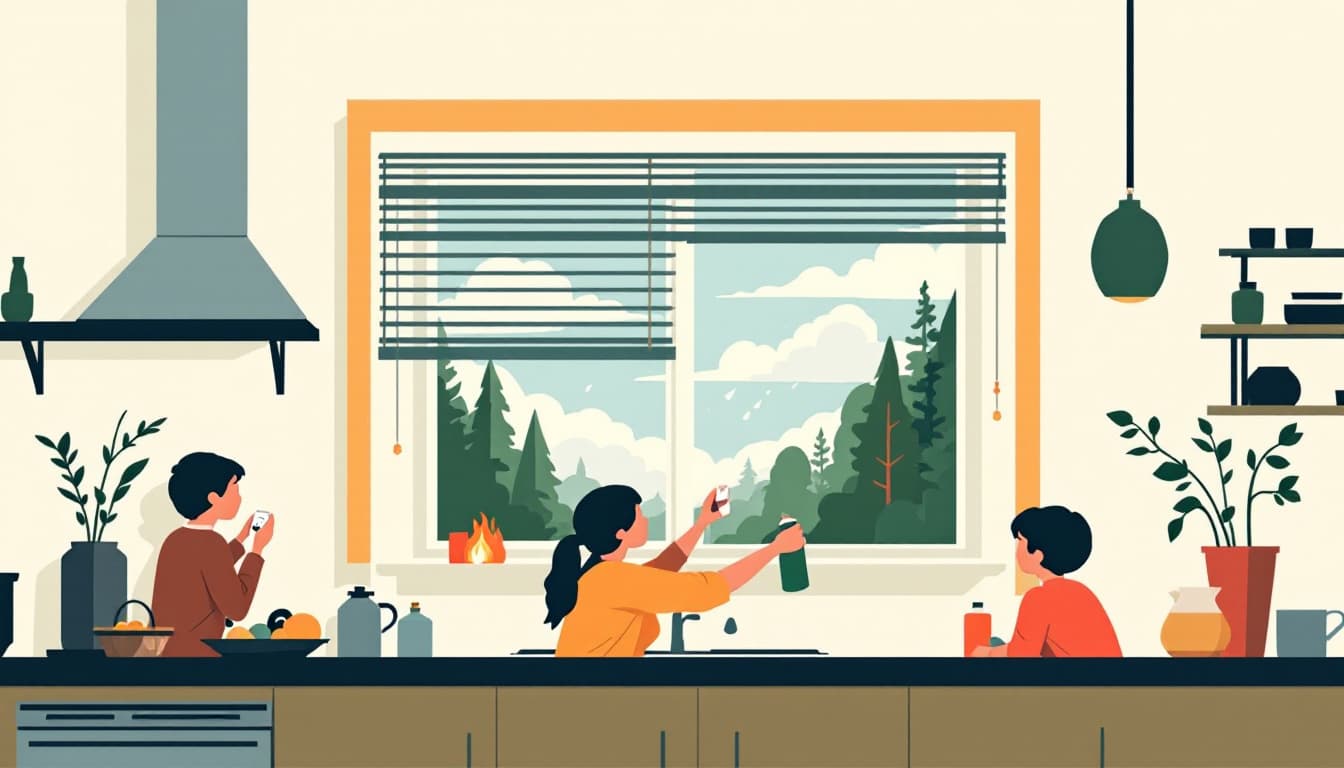
Pre-cool your home, don't react to it. During a forecasted heat event, start cooling your home the night before, not when the afternoon temperature spikes. Close blinds on south- and west-facing windows. Drop interior temps before the outdoor temperature climbs. This reduces how hard your AC works and how long the grid is stressed.
Stock oral rehydration salts, not just water. During heavy sweating, electrolyte loss matters as much as hydration. Plain water dilutes sodium. A box of ORS packets — the kind sold in pharmacies for travelers — costs under $10 and stores for two years. It matters most for children, the elderly, and anyone doing physical outdoor work.
Know your grid signal. Sign up for CAISO Flex Alert notifications at flexalert.org. When a Flex Alert is issued (typically 4–9 p.m.), the grid is under strain. Pre-cooling your home before that window reduces your own load and your risk of losing power at peak temperature hours.
The bigger picture
France's death toll is a data point about infrastructure, isolation, and the gap between public advisories and household reality. California has better advisories. It does not have a fundamentally different risk profile for households that aren't prepared.
The goal here isn't fear. It's building a home that can handle a three-day heat event without a crisis — the same way a well-maintained car handles a long drive. That means knowing where your cooling refuge is, knowing whether your equipment works, and knowing who around you is most vulnerable. None of that requires significant money or a bunker mindset. It requires doing a few specific things before the temperature spikes.