The Puget Sound region was not built for what it experienced this Fourth of July weekend. Western Washington homes — the majority of which still lack central air conditioning according to recent U.S. Census housing survey data — sat under temperatures that a generation ago would have been front-page news. This year, they were a weather graphic.
A report this week from NPR confirmed the obvious for anyone watching the Pacific Northwest bake: extreme heat on Independence Day is shifting from a rare event to a predictable feature of the American summer. The story framed this as a national reality. For Washington households specifically, the implications are sharper than the national average suggests.
What's actually changing here
The 2021 heat dome — which killed more than 100 people in Washington State, many of them in King County — was widely described as a once-in-a-millennium event. More recent analysis suggests the conditions that produced it are becoming meaningfully more frequent. The exact probability numbers are contested among climate scientists, but the direction is not.
Eastern Washington already had the infrastructure logic: evaporative coolers, shade-grown landscaping, cultural habits built around heat. Western Washington — the I-5 corridor from Bellingham to Olympia — largely did not. Many homes there are insulated to hold heat in, oriented without shade consideration, and occupied by people who grew up treating a 90-degree day as a curiosity. That mismatch is now a household risk.
Seattle City Light and Puget Sound Energy both issue heat-emergency advisories, but grid strain during multi-day heat events is real. When everyone in a low-AC region simultaneously installs a window unit and runs it at full power, the demand spike is abrupt. Rolling outages are not theoretical in that scenario — they happened in parts of the region during previous heat events.
What a power outage during triple-digit heat means for a household with elderly relatives, infants, or anyone on temperature-sensitive medication is not an academic question. It is a planning variable.
What we'd actually do
Find your nearest cooling center now, before you need it. King County, Snohomish County, and Pierce County all maintain cooling center locators through their emergency management websites — but these pages are frequently out of date or slow to update during an actual event. Call your county's 211 line in the next week and ask which facilities are designated heat-relief sites. Write the addresses down. GPS fails when you're dehydrated and panicking.
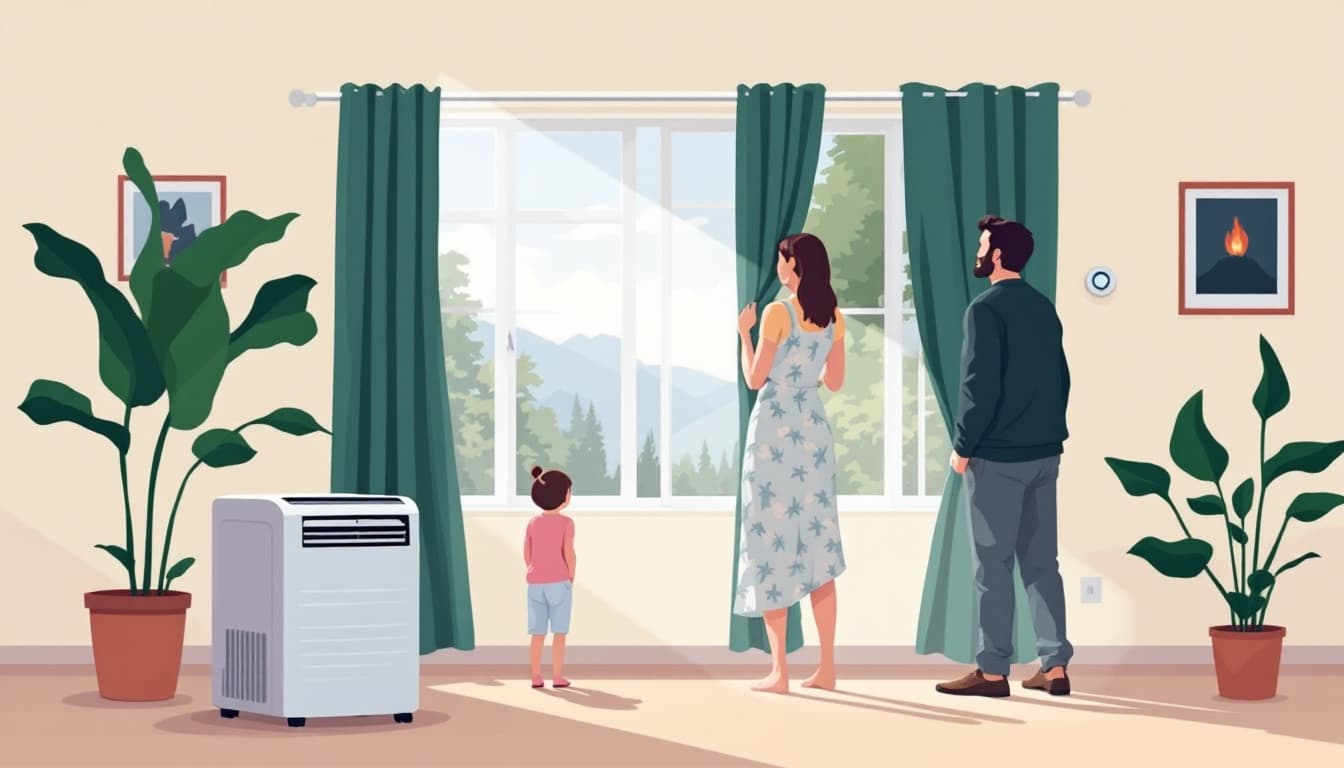
Treat window coverings as heat infrastructure, not decor. A south- or west-facing window with no covering can raise a room's temperature by 10 to 20 degrees over the course of an afternoon. Blackout curtains or even temporary reflective film applied before the next heat event costs under $40 and does real work. This is the single highest return-per-dollar action for homes without AC in Western Washington.
Stock a small cache of electrolyte supplies. Oral rehydration salts, electrolyte tablets, or even packets of Pedialyte are cheap, shelf-stable, and effective. Plain water is not enough during sustained exertion in extreme heat — sodium and potassium replacement matters. A two-week supply for a family of four costs roughly $20 to $30 and fits in a drawer.
Know your medications' temperature thresholds. Insulin, certain heart medications, and some psychiatric drugs degrade at temperatures above 77°F to 86°F depending on formulation. If anyone in your household depends on temperature-sensitive medication, identify a backup storage plan — a neighbor with AC, a pharmacy that can bridge a supply, a small cooler with a reusable ice pack — before the next event, not during it. Your pharmacist can confirm the specific threshold for any drug you're unsure about.
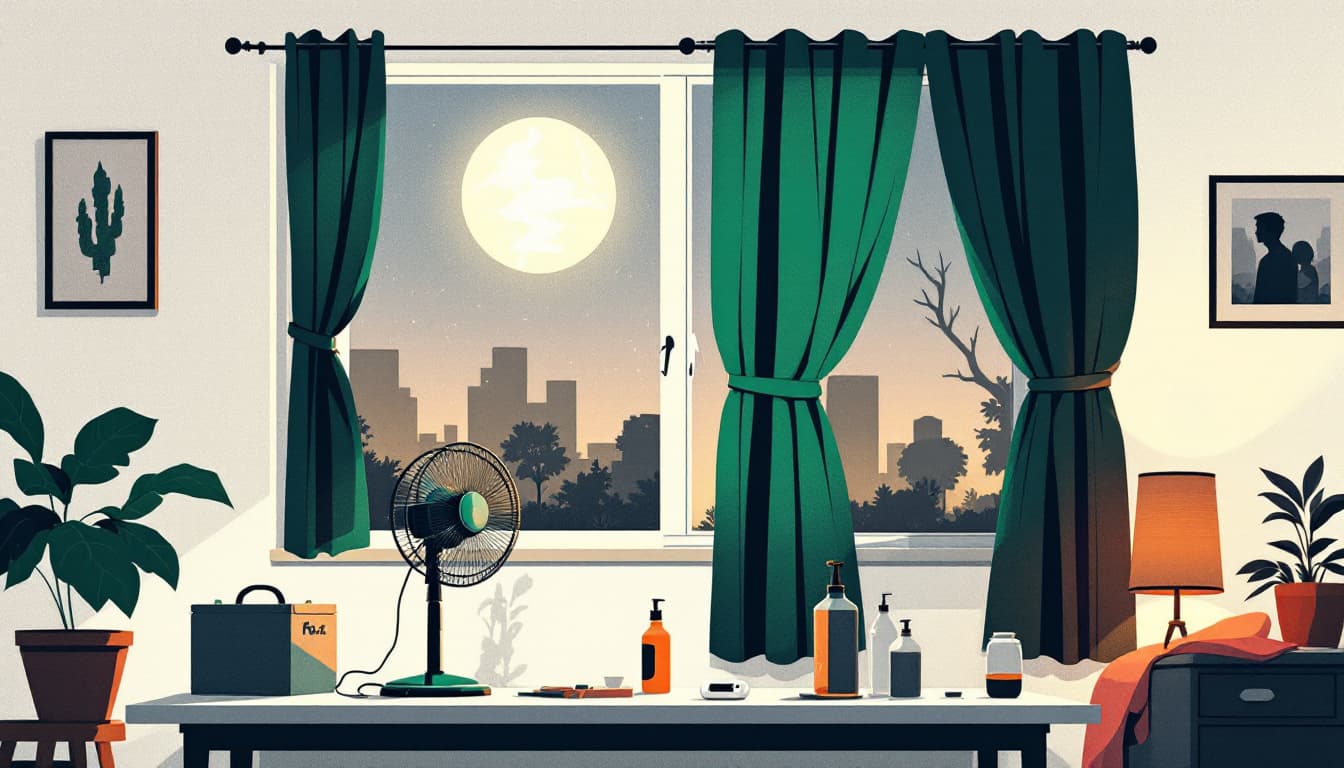
Audit your home's overnight cooling capacity. The metric that matters during a multi-day heat event is not the daytime high — it's whether your home cools down enough overnight for sleep. If your house holds above 80°F at midnight, fatigue and cognitive impairment compound across days. A $35 box fan positioned to pull night air through a low window and exhaust through a high window on the opposite side of the house (cross-ventilation) can drop indoor temperatures by 10 degrees or more in Western Washington's typically cooler evenings. Test this setup before you need it.
The bigger picture
Washington households have roughly 60 to 90 days each year that will now require active heat management rather than passive tolerance. That's a calibration, not a catastrophe. The families who navigate it best will not be the ones who panicked and bought expensive gear in July. They'll be the ones who treated heat preparedness the same way they treat earthquake preparedness: a set of boring, cheap, practiced habits that just work when the moment arrives.
Durability over drama. That's the whole game.