A Washington Post report this week mapped a dangerous heat dome descending on the Midwest and East, flagging temperatures well above seasonal norms across a wide swath of the country. Washington state is outside that specific system's track. That's not a reason to stop reading.
June 29, 2021 — five years ago almost to the day — Lytton, British Columbia, hit 121°F and then burned to the ground the next day. Portland hit 116°F. Seattle hit 108°F. The state's power grid buckled. Cooling centers ran out of space. The Washington State Department of Health later confirmed hundreds of excess deaths in that single week, with the toll concentrated among older adults living alone in homes without air conditioning.
Western Washington's architecture was built for rain, not radiant heat. Most housing stock west of the Cascades has little to no insulation optimized for summer, and the single-pane windows common in older Seattle, Tacoma, and Olympia homes turn rooms into slow ovens by early afternoon. Eastern Washington — Spokane, the Tri-Cities, Yakima — runs hotter by default and bakes faster when a heat ridge parks overhead.
What's actually changing
The pattern that produced 2021 is not a freak anomaly that's been retired. NOAA's Climate Prediction Center has flagged above-normal temperature probability for the Pacific Northwest through late summer, though the specifics of any individual heat dome aren't predictable weeks out. What we do know is that atmospheric blocking patterns — the mechanism behind Pacific Northwest heat domes — have become more persistent. The question for Washington households is not whether another event like 2021 will occur. It's whether you are in a better position to handle it than you were then.
Most families aren't. The post-2021 surge in window AC unit sales was real, but installation rates in older multi-family housing remain low. Renters in particular face structural barriers: landlords are slow to retrofit, and many leases restrict modifications. That gap is where households actually get hurt.
What we'd actually do
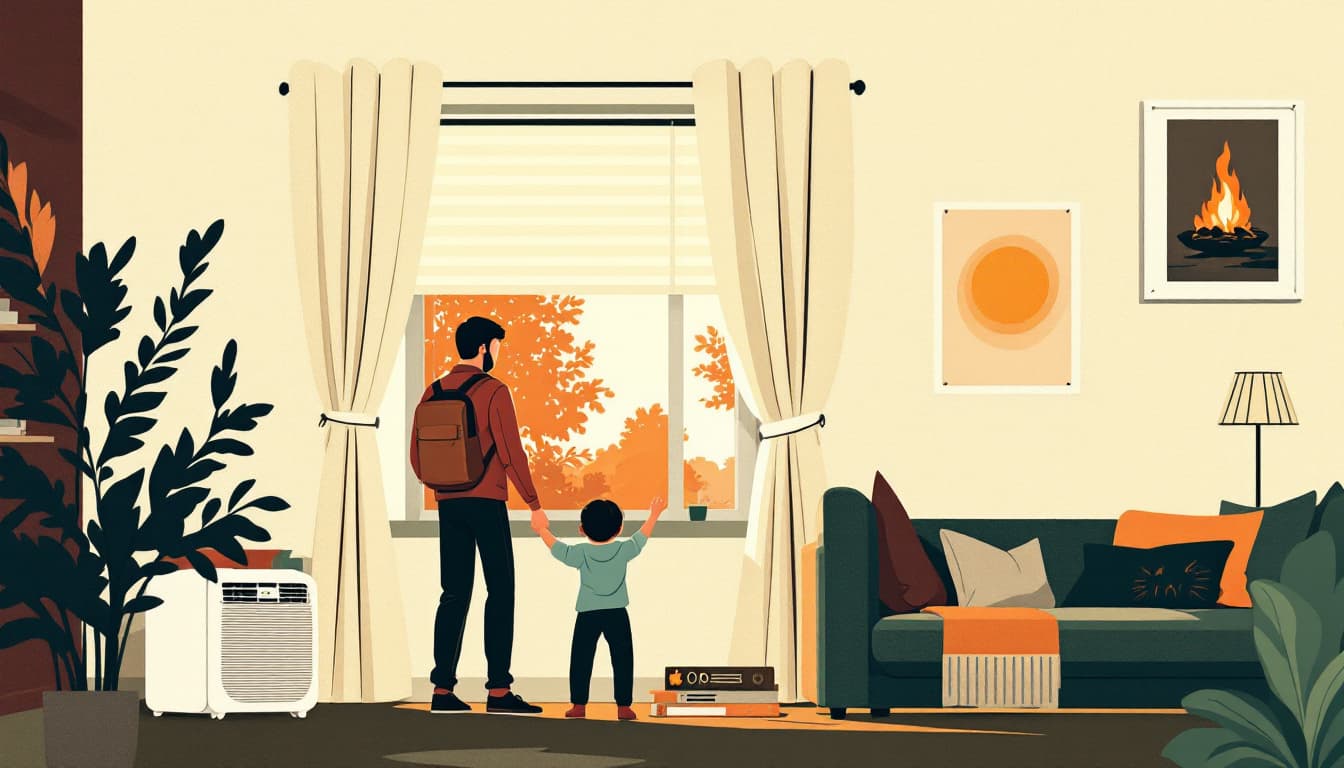
Stage one window unit or portable AC now, not during a heat event. By the time a heat dome is forecast, units sell out within 24 hours in the Puget Sound region. A single 8,000–10,000 BTU window unit for your bedroom costs $200–$350 at most hardware retailers. A portable unit (no window required) runs $300–$450 and moves between rooms. Buy it in July when there's no emergency, confirm it works, and know exactly where the outlet is. For renters who can't mount a window unit, a portable unit with a window exhaust kit is worth the cost.
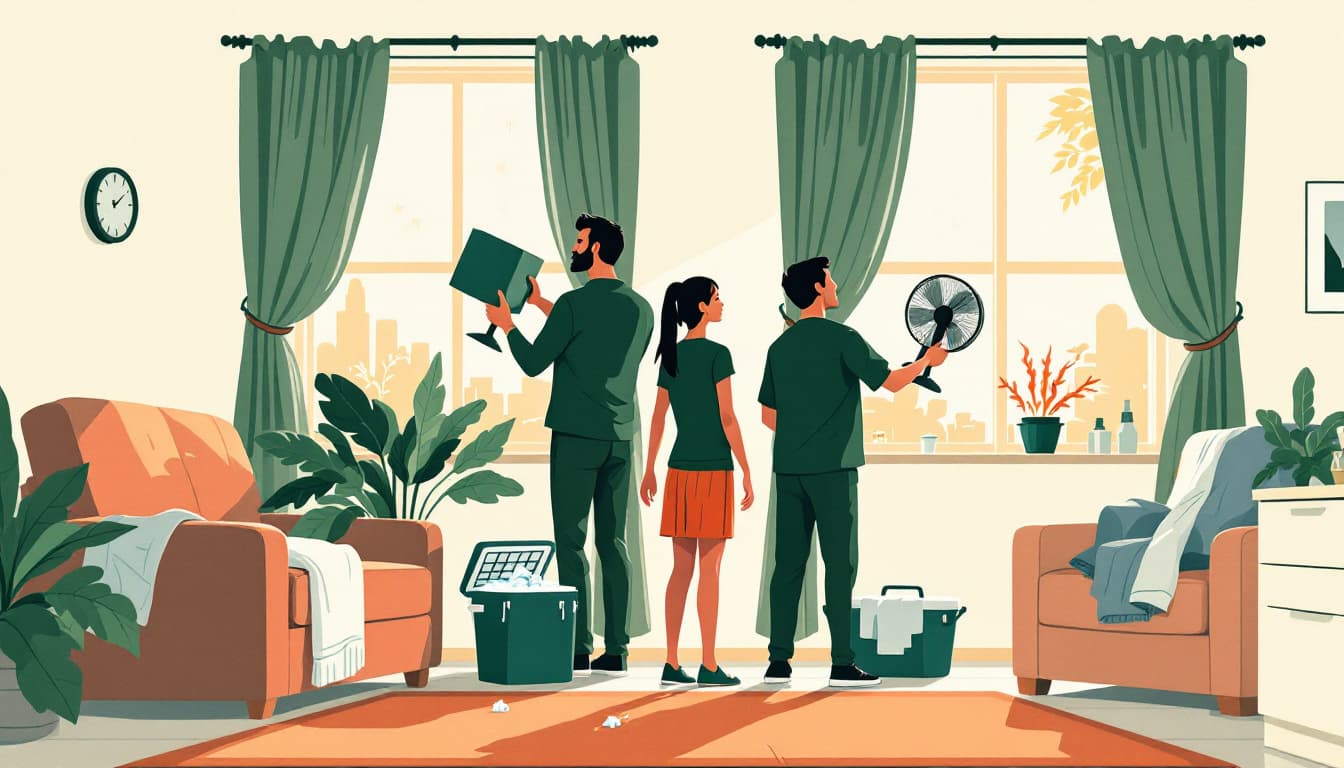
Black out your west and south-facing windows before noon. Reflective window film — available at hardware stores for roughly $15–$30 per window — blocks a substantial share of solar heat gain before it enters the room. Blackout curtains work almost as well if the backing touches the window frame. During a heat event, the difference between a blacked-out room and an unshaded one can be 10–15°F by 3 p.m. This is free cooling; it just requires doing the work before the temperature climbs.
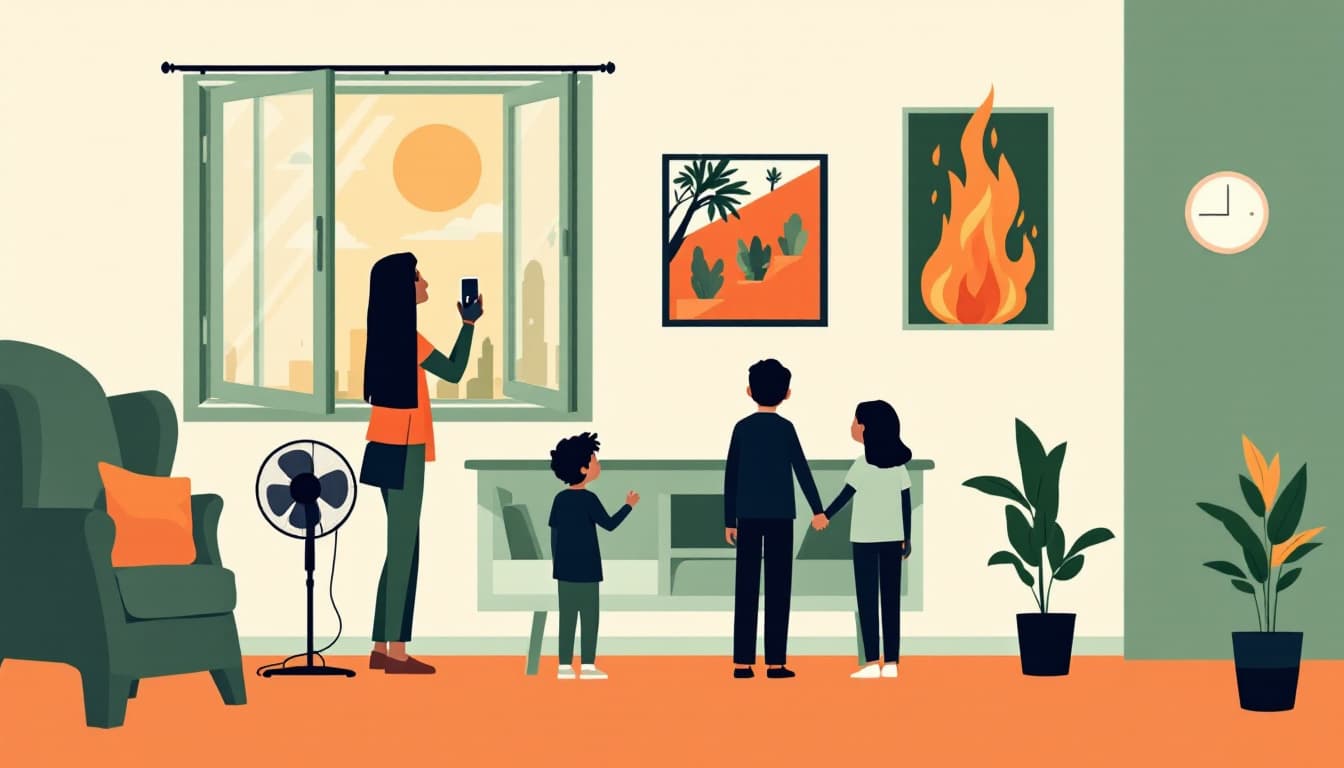
Locate your nearest cooling center and know its hours before you need them. King County, Pierce County, and Spokane County all maintain cooling center networks that activate when temperatures exceed local thresholds. These are not shelters of last resort — they're libraries, community centers, and senior facilities. The Washington State Department of Commerce publishes a statewide resource locator. Write down two addresses. The 2021 event showed that families who had a plan went to a cool place; families without one stayed home.
Check in on one specific neighbor, not a general list. Identify the person on your block or in your building who is most vulnerable — older, lives alone, doesn't have AC — and agree now to check on them during hot weather. The 2021 excess-death data showed geographic clustering around apartment buildings where residents had no contact with anyone outside their unit for days. One conversation before summer matters more than a checklist.
Know your home's overnight cooling window. In western Washington, temperatures typically drop to the low 60s overnight even during moderate heat events. Open every window at 9 p.m. and run fans to flush the stored heat. Close everything by 8 a.m. and keep it sealed. This passive strategy can keep interior temperatures 10–15°F below outdoor peak if executed consistently. It fails during multi-day events when overnight lows stay high — which is exactly when you need the AC unit from step one.
The goal here isn't to build a bunker against summer. It's to not be caught flat-footed the way too many Pacific Northwest households were in 2021. The Midwest baking this week is a useful reminder: heat is the deadliest weather hazard in the U.S. by most annual counts, and it does not respect the reputation of mild-climate regions.
Build durable systems. Test them in ordinary heat. Trust them when the temperature stops being ordinary.