A report this week from 5newsonline.com covered a Washington County power outage that was, by the time most people saw the headline, mostly resolved. The map showed restoration spreading across affected ZIP codes. Crisis over. Move on.
Except the families who spent four to eight hours without power last night didn't experience a headline. They experienced a dead refrigerator, a CPAP that wouldn't run, a well pump that wouldn't draw, and kids asking when the internet was coming back. "Mostly resolved" is a grid operator's phrase. It doesn't describe the household experience.
Washington state runs on a mix of hydroelectric, wind, and natural gas generation, with Puget Sound Energy and Pacific Power serving large swaths west and east of the Cascades respectively. The grid here is generally reliable by national standards. But reliability is a statistic, not a guarantee, and the distribution infrastructure — the poles and lines connecting substations to your street — is aging in rural areas and vulnerable to the windstorms that roll through the Cascades and Olympics every fall and winter.
What's actually happening
Short outages — under twelve hours — are the most common grid event Washington households face. They're not the dramatic multi-day failures that dominate preparedness writing. But they're the events most families are least ready for, precisely because they seem too minor to plan around.
The real cost of a short outage is usually food. A refrigerator holds safe temperature for roughly four hours if you don't open it; a full freezer for closer to forty-eight. The decision most households get wrong is opening both repeatedly to check, which collapses that window fast. The second cost is medical equipment. Washington's aging population means more households have oxygen concentrators, insulin that requires refrigeration, or sleep apnea devices on a nightly charge. None of those have a four-hour buffer.
The third cost — less discussed — is water. Roughly one in seven Washington households outside Seattle and Spokane relies on a private well. A well pump requires electricity. No power means no water, and that changes a short inconvenience into a genuine problem for cooking, sanitation, and pets.
What we'd actually do
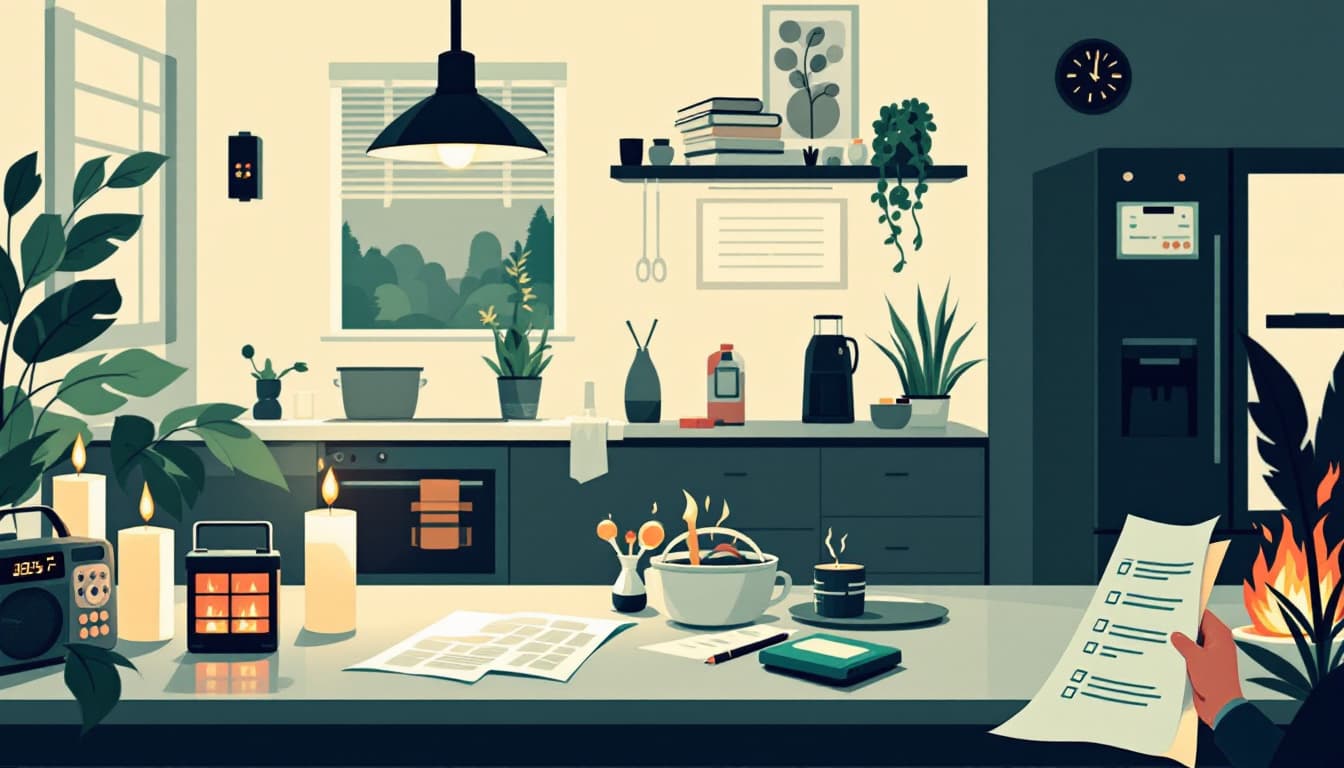
Get a simple power audit done on your household before the next outage, not during it. Walk through your home and list every device that matters when the grid goes down: refrigerator, freezer, well pump, medical equipment, router, phone charger, heating system's ignition circuit. Write down which ones require continuous power and which ones you can delay or skip. This takes twenty minutes and tells you whether your real gap is food safety, water, or medical.
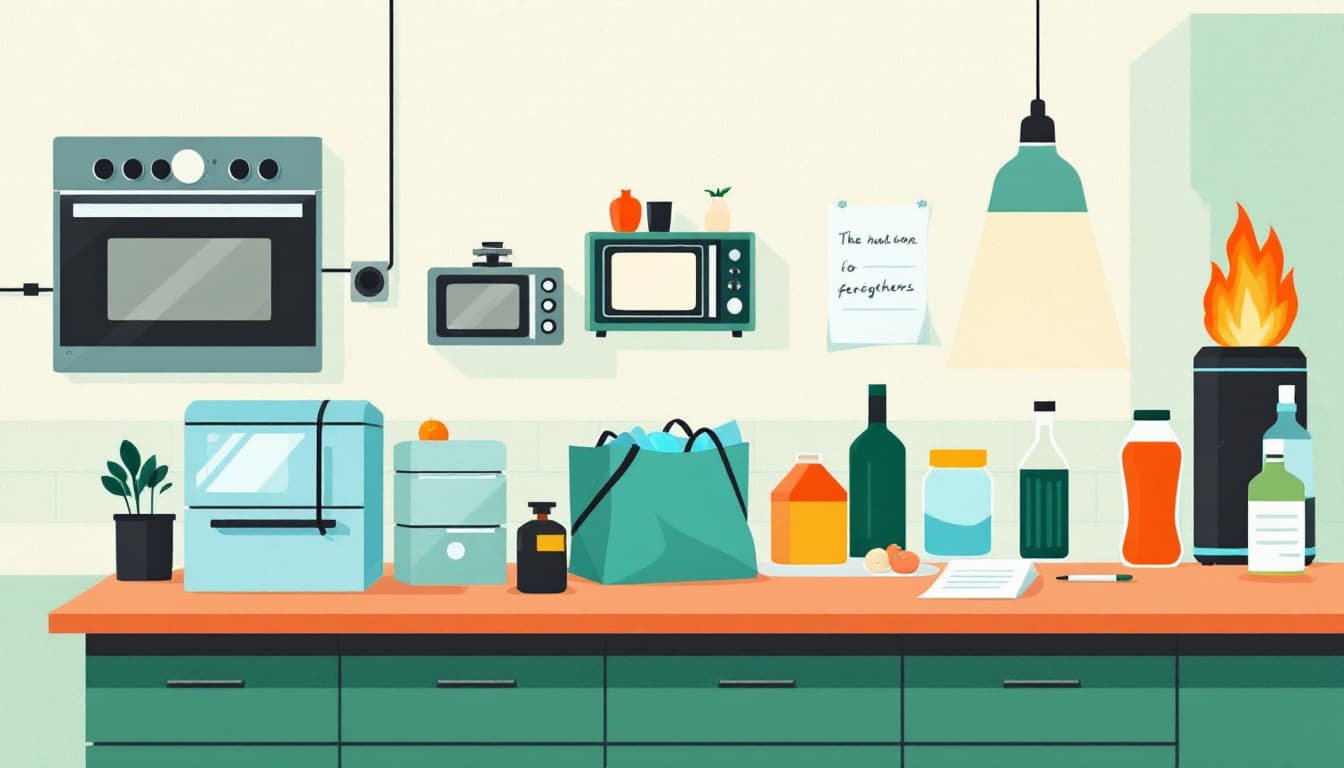
Buy a single bag of ice and keep a rotation going in summer months. This sounds too simple. It isn't. A bag of ice added to the top shelf of a refrigerator can extend safe food temperatures significantly during an outage. Keep a dedicated cooler in the garage. This costs about three dollars per rotation and requires no generator, no installation, no permit.
If you're on a well, store seven gallons of tap water per person. Washington's Department of Health recommends this as a baseline for any household emergency. Seven gallons covers drinking and basic sanitation for a household member for several days. Fill food-safe containers from your tap, date them, and rotate every six to twelve months. Cost: the containers, once.
Register medical equipment with your utility's medical baseline or life support program. Both PSE and Pacific Power maintain programs that flag your address for priority restoration and can provide advance notice before planned outages. If someone in your household uses power-dependent medical equipment, call your utility and ask to be enrolled. This is free and takes one phone call.
Test your backup lighting before you need it. Headlamps beat flashlights for hands-free use. Three headlamps with fresh batteries, stored in a kitchen drawer, cover most short outage scenarios for a family of four. Check batteries twice a year when you change smoke detector batteries.
The bigger picture
Washington's grid isn't failing. But the distribution layer — the last mile of poles and lines from substation to home — will continue to have weather events, equipment failures, and the occasional unexplained outage that resolves before the news cycle catches up. Planning for a four-to-twelve-hour window is not catastrophizing. It's the accurate read on what actually happens to households here.
The goal isn't to survive a collapse. It's to not throw out two hundred dollars of groceries, not spend a night without sleep because the CPAP died, and not go to bed anxious because the outage map said "mostly resolved" but your block was still dark. That's durability. That's the whole point.