The soil moisture maps for Washington state already looked bad before this week. Snowpack across the Cascades came in well below average this past winter, and much of Central and Eastern Washington entered July in moderate-to-severe drought. Then a report from The Washington Post flagged a heat dome event bearing down on drought-stricken Plains and Western states — the kind of high-pressure system that parks over a region and turns mild heat into sustained, compounding stress.
Washington households have been through this before. The June 2021 heat dome killed hundreds of people across the Pacific Northwest and exposed something the region had been slow to admit: most homes west of the Cascades were not built for sustained triple-digit heat, and cooling infrastructure — from residential AC penetration to hospital capacity — lagged badly behind neighboring states. Five years later, the structural vulnerabilities are smaller but not gone.
What's actually different this time
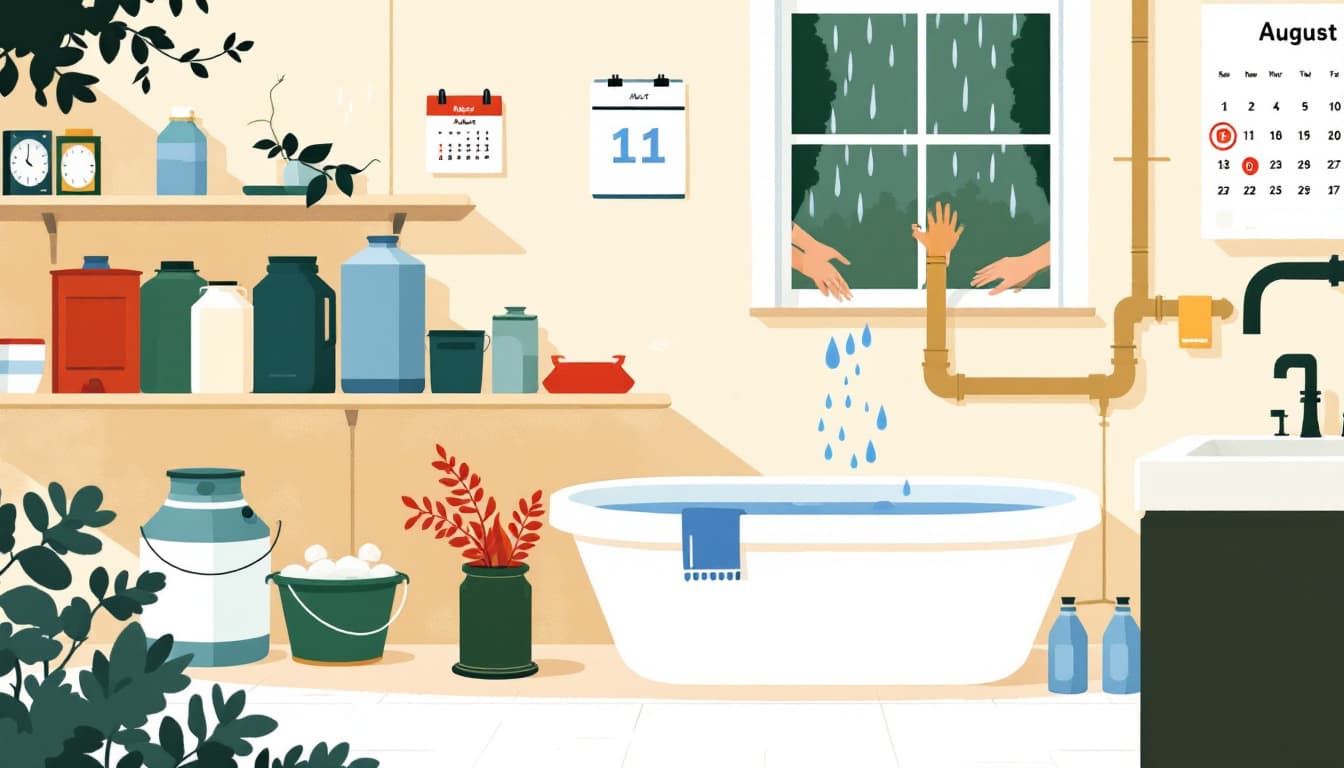
The drought context matters more than the temperature headlines. When the soil is already dry and reservoirs are already drawn down, a heat event compounds quickly. Irrigation districts in the Yakima and Wenatchee valleys face water allocation decisions that ripple into food prices. Wildfire risk in the Okanogan, Methow, and Colville corridors rises sharply when temperatures spike and relative humidity drops into single digits. The Washington Department of Ecology has issued water curtailment notices in prior dry summers, and that's a realistic possibility again.
West of the Cascades, the story is different but not safer. The urban heat island effect in Seattle, Tacoma, and Spokane means concrete-heavy neighborhoods without tree canopy can run 10 or more degrees hotter than nearby parks. Older apartment stock — particularly the pre-1980 housing that dominates many working-class neighborhoods — offers almost no passive cooling. And the electrical grid, while better managed than in 2021, still carries risk during sustained demand spikes across the Western interconnect.
The honest uncertainty: we do not know how long this heat dome will stall or exactly how far north the worst temperatures will reach. Watch the National Weather Service Seattle office briefings, not just headline temperature numbers. The dew point matters. Nighttime lows matter more than daytime highs for cumulative heat stress.
What we'd actually do
Locate your nearest cooling center before you need it. Washington's Department of Health maintains a cooling center map that county emergency managers update during heat events. Find the one nearest to you now, note its hours, and if you have elderly neighbors or relatives without AC, find theirs too. This takes five minutes and removes a critical decision from a moment when you'll be too hot to think clearly.
The 2021 event killed people who did not realize how quickly heat incapacitation sets in. A cooling center you haven't looked up is a cooling center you won't use. Counties including King, Pierce, Spokane, and Yakima have all expanded their shelter programs since 2021, but hours vary and some require sign-in. Knowing this ahead of time matters.
Drop your refrigerator and freezer temperatures now, and fill the empty space. Set your refrigerator to 35°F and your freezer to 0°F if they aren't already there. Fill unused freezer space with water in zip-lock bags or old containers. A full freezer holds temperature longer during an outage, and those frozen bags can double as cooling packs.
Outages during heat events are not rare in Washington. Puget Sound Energy and PSE's eastern neighbors have rolling alert systems — sign up for outage notifications through your utility's app if you haven't. A few hours without power during a heat dome is a medical emergency for infants, the elderly, and anyone on certain medications.
Move one day's worth of essential medications somewhere cool. Heat degrades insulin, some cardiac medications, and several psychiatric drugs faster than most people realize. If you or someone in your household depends on temperature-sensitive medication, identify right now where it will live during a multi-day heat event. A small insulated lunch bag with a frozen gel pack, refreshed morning and evening, is enough for most medications. Call your pharmacist if you're unsure about a specific drug's heat tolerance.
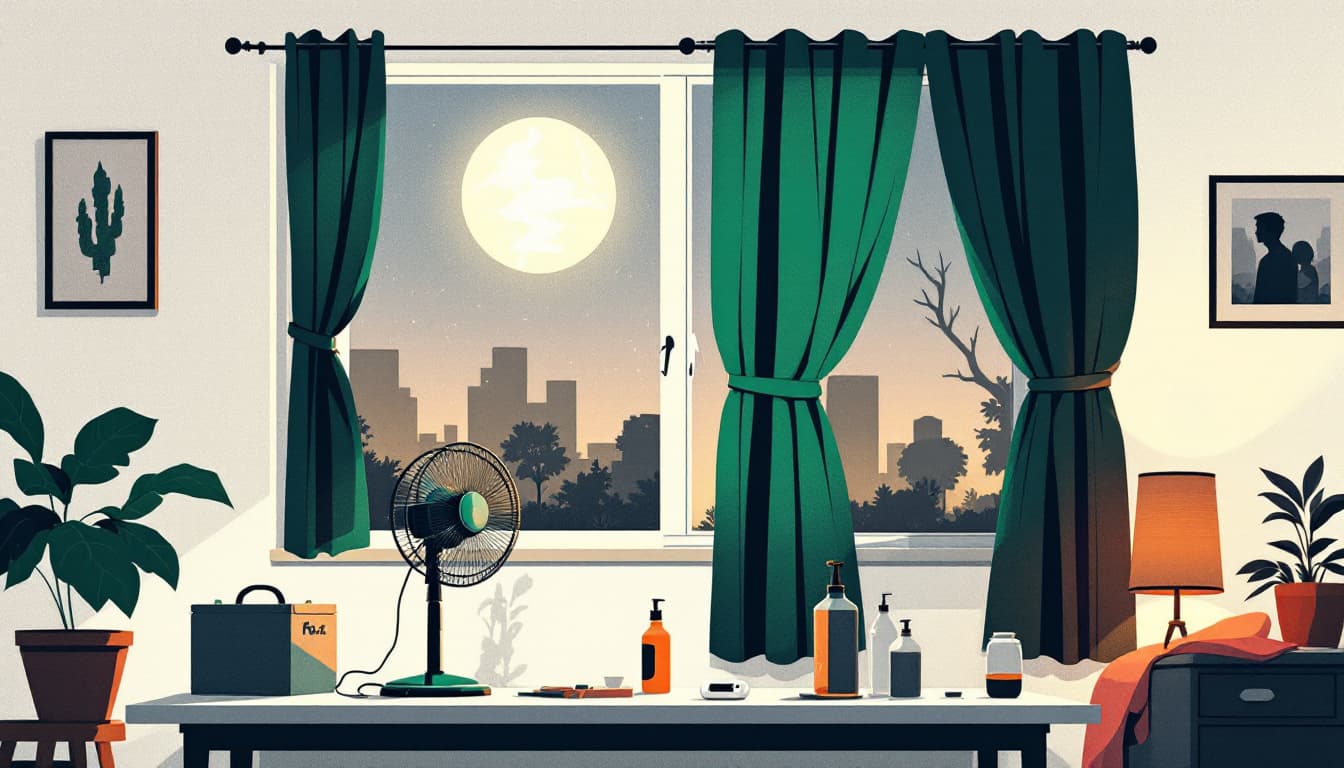
Create window-covering schedules, not just window-opening schedules. The instinct is to open windows when it's hot. The better move is to block solar gain during the day and flush heat at night. Close south- and west-facing blinds and curtains before 9 a.m. Open windows after 10 p.m. when outside air drops below indoor temperature. This is free and it works — passive cooling techniques can reduce indoor temperatures by 8 to 12 degrees in a well-managed home.
The bigger picture
Washington is in a structural transition toward hotter, drier summers. The 2021 heat dome was described as a once-in-a-millennium event statistically, but atmospheric scientists have noted that baseline warming makes extreme heat events more probable and more frequent. That is not catastrophizing — it is the current scientific consensus.
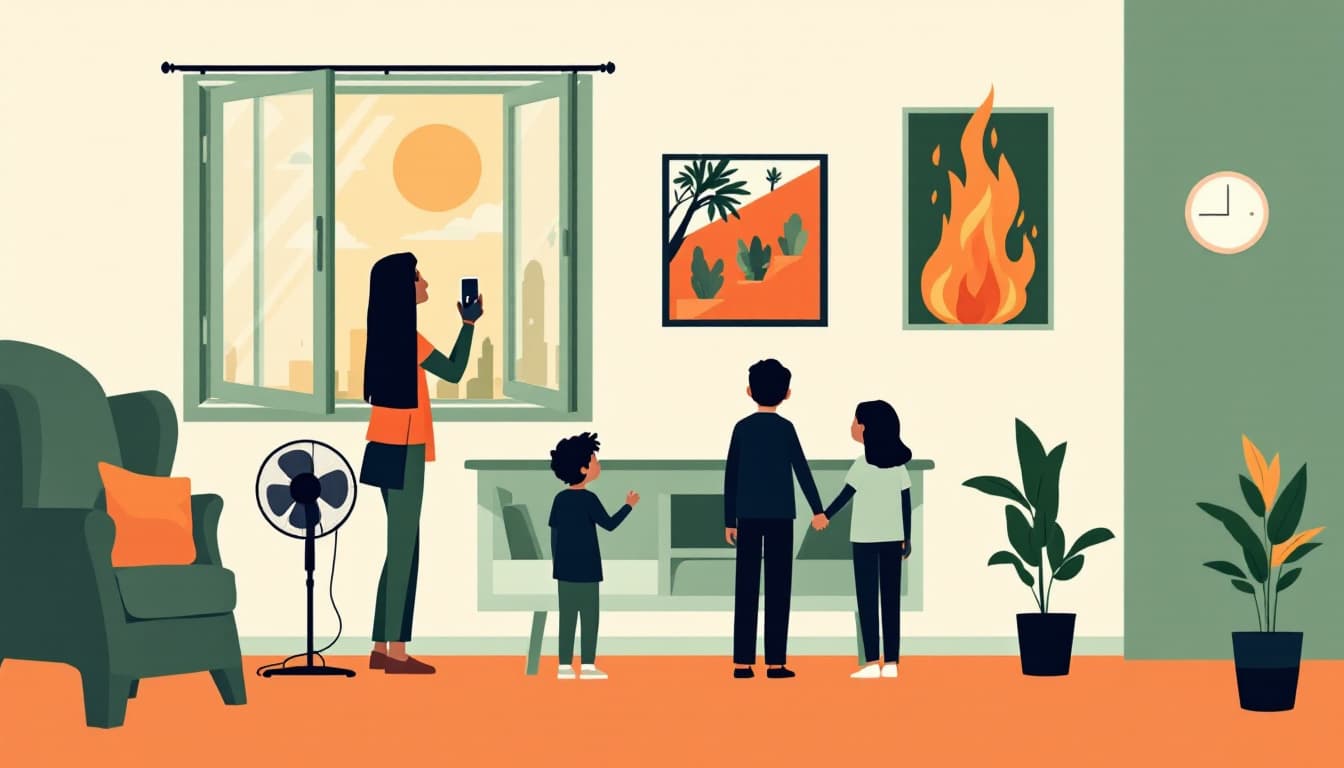
The goal for households isn't a bunker full of gear. It's making the same home you live in now more survivable through one additional bad summer. Most of the actions above cost nothing or close to it. The families who came through 2021 best weren't the ones who had the most equipment. They were the ones who had talked through the plan before the thermometer hit 105.