A rain gauge in Sequim recorded its driest June on record last summer. The Cascades snowpack that normally feeds Puget Sound–area reservoirs through July finished well below average. Now, in late July, temperatures across the I-5 corridor are running hot again, and the Tacoma News Tribune is telling readers to start cutting household water use. That is not a coincidence in timing.
What is actually changing
Washington has a structural water problem that gets worse every dry summer: the state relies heavily on mountain snowpack as a slow-release reservoir. When that pack is thin and summer heat arrives early, municipal utilities face drawdown pressure sooner than their systems are designed to handle. Cities like Tacoma, Bellevue, and Yakima have tiered pricing structures that automatically penalize heavy summer users — sometimes doubling the per-gallon rate above a baseline threshold.
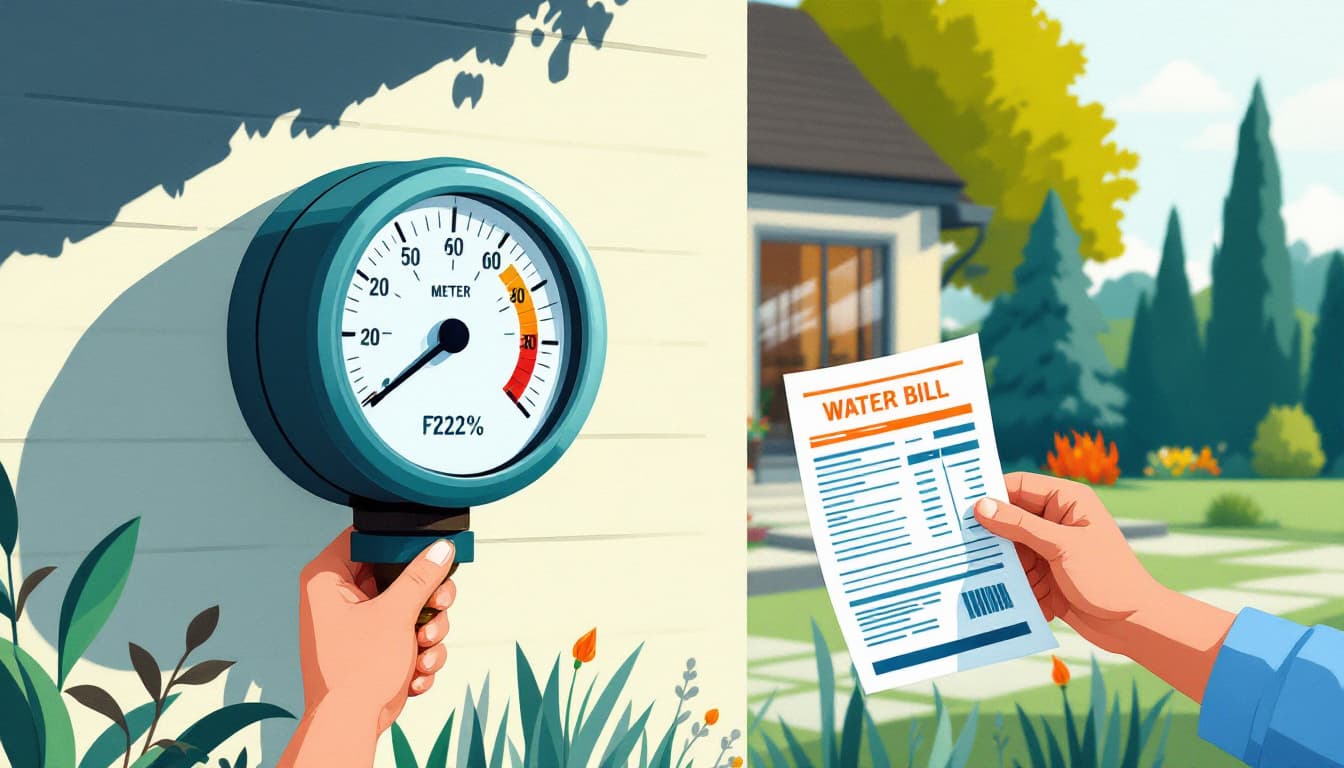
The Tacoma News Tribune piece focuses on the usual conservation tips. What it doesn't do is help a household understand the financial exposure. A family using 25 percent more water than their utility's summer baseline can see a monthly bill increase of $30–$60 depending on the tier. Over a three-month drought season, that is a real number. And if the state moves toward mandatory conservation orders — Washington has the authority to issue them under drought emergency declarations, which the Department of Ecology has exercised in recent years — voluntary reduction becomes compulsory, with potential fines.
The Yakima Basin, which irrigates a significant share of the state's agriculture, operates under senior water rights that pre-date most municipal claims. In severe drought years, junior rights holders get cut first. Households on rural well systems in central and eastern Washington face a different but related risk: wells drawing from shallow aquifers can drop or go dry in extended heat-and-drought cycles.
What we'd actually do
Get your baseline number from your utility before the next bill arrives. Most Washington utilities — including Tacoma Public Utilities and Seattle Public Utilities — post your usage history in your online account, usually measured in CCF (hundred cubic feet) or gallons per day. Pull the last three bills and identify where you sit relative to the tier threshold. If you are already in the second tier, you are already paying the penalty rate. Knowing the number is the first step to reducing it deliberately rather than accidentally.
Run your toilets through a dye test this week. Drop a dye tablet or a few drops of food coloring in your toilet tank — not the bowl — and wait 15 minutes without flushing. If color appears in the bowl, the flapper is leaking. A leaking toilet can waste 20–200 gallons per day, entirely invisibly. Replacement flappers cost under $10 and take 10 minutes to install. This is the highest-ROI water fix in most homes.
Shift outdoor watering to before 6 a.m. Washington's summer evaporation rate during midday heat means a significant fraction of irrigation water never reaches roots. Watering in the predawn window — not just early morning, but genuinely before sunrise — can reduce the water needed to maintain the same soil moisture level. Many digital irrigation timers sell for under $30 and handle this automatically once set.
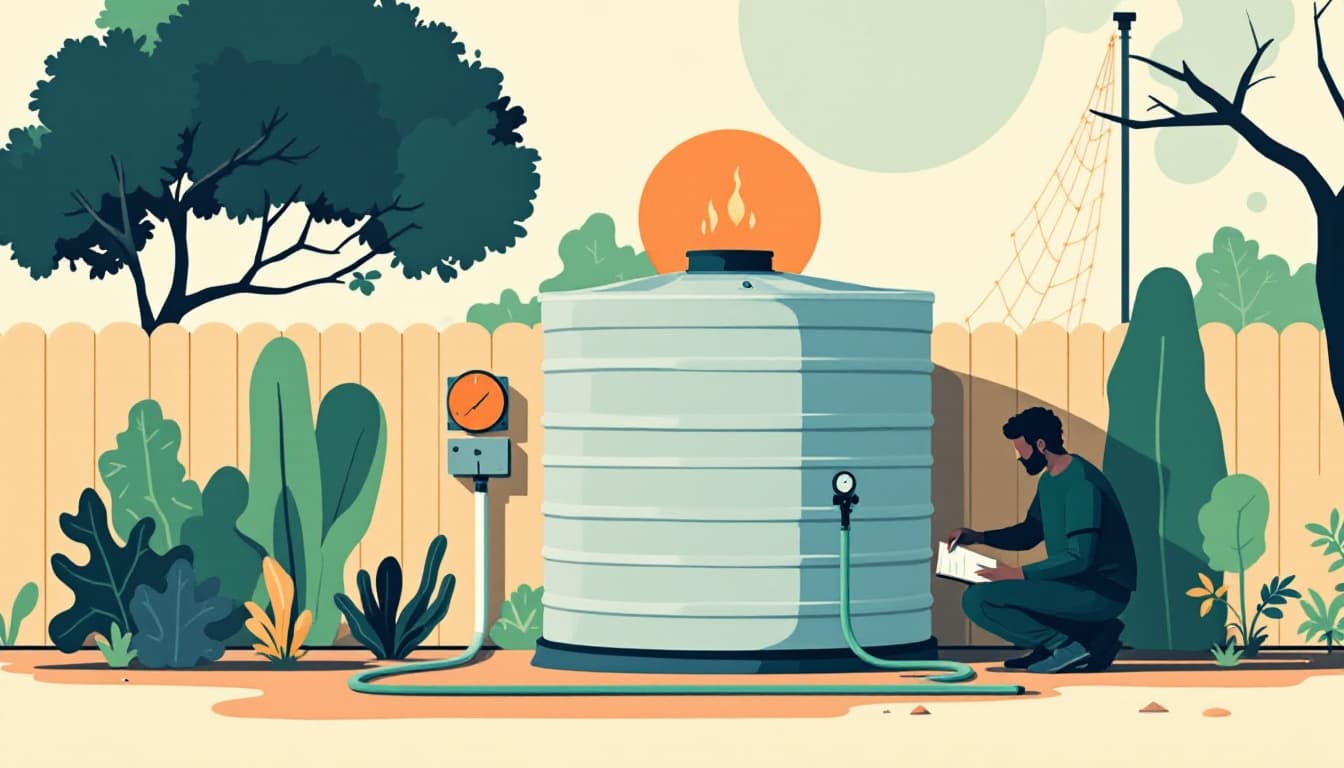
If you are on a private well in eastern Washington, note your static water level now. When a well is not being pumped, water rises to a resting level inside the casing. A neighbor, a local well driller, or a water-level meter can help you track this. If it has dropped measurably from the same period last year, you have a leading indicator — not a crisis, but a signal to reduce draw and contact a licensed well contractor before the problem becomes acute.
Check whether your county has issued any drought advisory or conservation stage declaration. Washington's Department of Ecology posts drought status by region at ecology.wa.gov. Knowing your county's current stage tells you whether you are in a voluntary or mandatory conservation window, and what the rules actually are — not what you heard from a neighbor.
The bigger picture
Western Washington tends to assume water abundance is permanent. The mountains are right there; it rains nine months a year. That assumption is what makes summers like this one disorienting. The goal here is not to stockpile water or panic about taps running dry in Seattle. Municipal systems have significant reserve capacity and aggressive maintenance schedules.
The goal is to avoid being caught off guard by a bill spike, a mandatory restriction, or a rural well problem that had been developing for weeks before anyone noticed. Durable households pay attention to their resource baselines during normal times, so they are not scrambling when conditions tighten. That is the only preparedness posture that actually works.