Snowpack in the Cascades feeds most of western Washington's municipal water systems. When it comes in thin — and in several basins this year it did — the gap between what the mountains stored and what cities, farms, and households will draw down through summer becomes a practical problem, not a policy abstraction.
A report this week from Dailyfly News noted that Washington's drought declaration is drawing debate over how serious the state's water supply outlook actually is. That debate is worth paying attention to, not because it signals catastrophe, but because it reveals something households rarely track: the difference between "we have enough water" and "we have enough water if nothing else goes wrong."
What's actually changing
Washington's Department of Ecology issues drought declarations when forecasted water supplies fall below 75 percent of normal and shortages are likely to cause hardship. A declaration doesn't mean taps run dry. It means the state can expedite water right transfers and emergency measures — tools that exist because the margin is thinner than usual.
The debate Dailyfly News flags likely reflects genuine uncertainty in the models. Snowpack data, streamflow forecasts, and reservoir levels are inputs, not guarantees. Late-spring precipitation can shift the picture. So can an early heat event that accelerates melt and runoff before reservoirs can capture it — a pattern the Yakima basin, which supplies irrigation water to roughly half of Washington's tree fruit production, has seen before.
For households in western Washington on municipal supply, the near-term risk is less about running out and more about restrictions: odd-even watering schedules, pressure reductions during peak demand hours, or surcharges on heavy usage. For households east of the Cascades on well water or small irrigation districts, the stakes are higher and the buffers thinner.
What we'd actually do
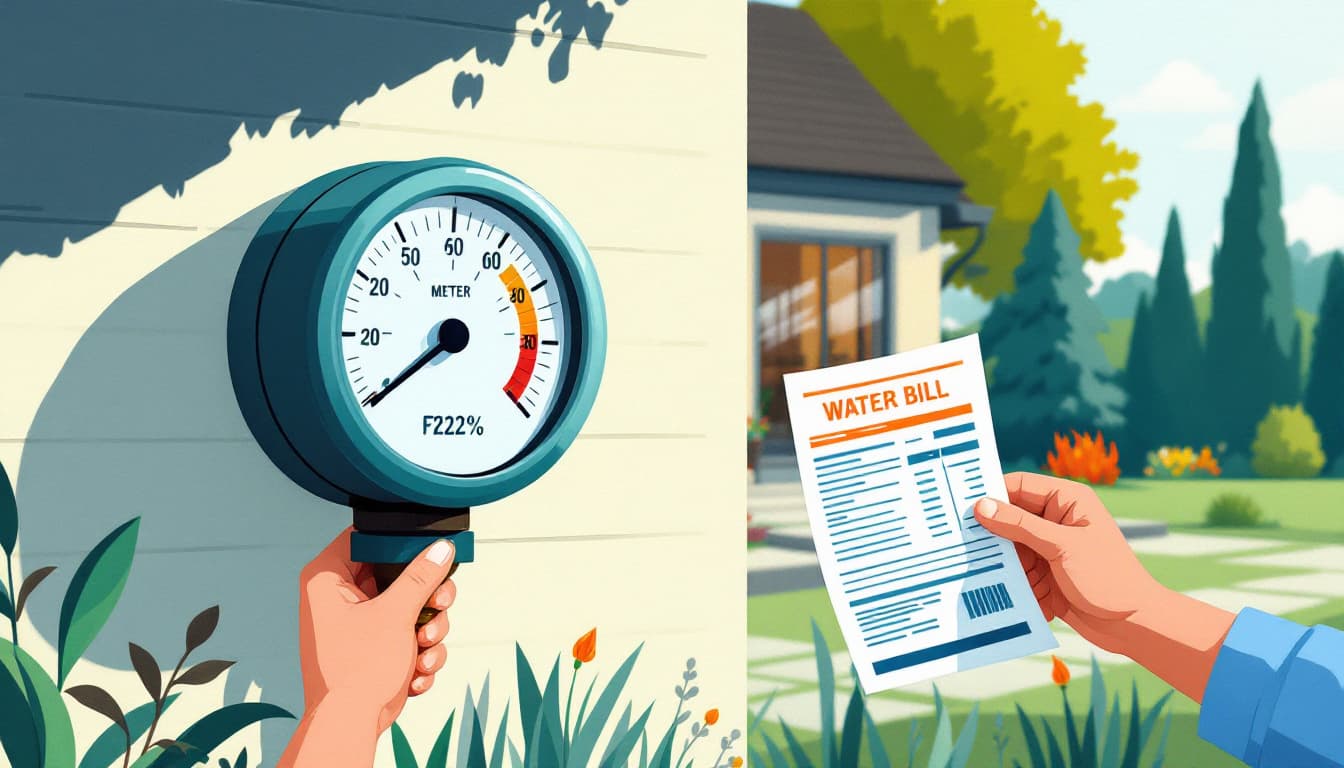
Check your utility's current drought status and tier structure. Most Washington water utilities publish this online, often on the same page as your bill. Knowing whether your system is in Stage 1, 2, or 3 restrictions before you need to know it takes five minutes and prevents a surprising surcharge. Seattle Public Utilities, Tacoma Water, and most smaller Puget Sound PUD systems post current status on their homepages.
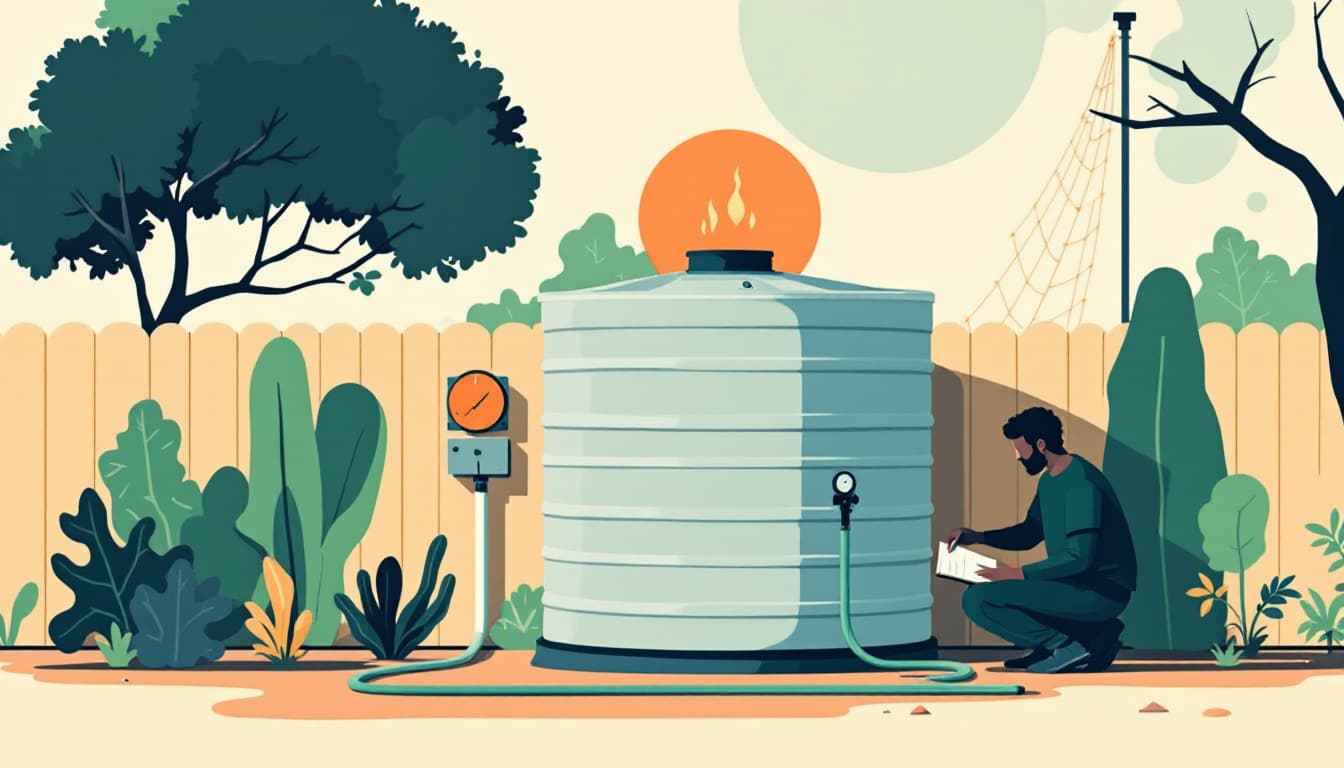
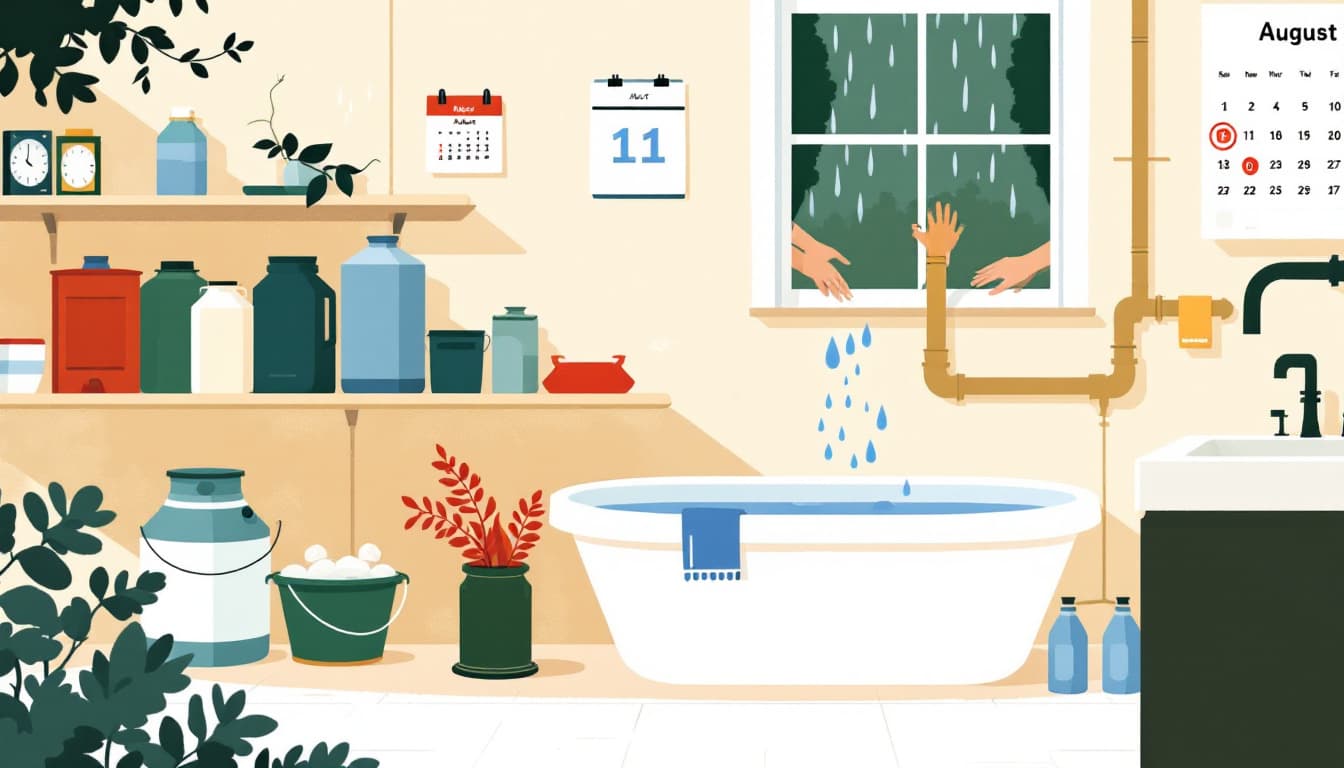
Store a two-week household water buffer. The standard preparedness figure — one gallon per person per day — is enough for drinking and basic sanitation, not bathing or cooking as normal. For a family of four, that's 56 gallons minimum. Standard 55-gallon food-grade barrels run $30-$60 used, are available through local feed stores and surplus retailers across the state, and can be filled from your tap right now. This isn't drought-specific preparation; it covers earthquakes and infrastructure failures equally well in a Cascadia-risk region.
Audit your outdoor water use now, before restrictions require it. Irrigation typically accounts for 30-50 percent of residential water use in summer. Switching to drip irrigation on vegetable beds, setting sprinklers to early-morning cycles, and mulching around plantings reduces draw without reducing yield. If you're in a drought-restricted zone east of the Cascades, this matters for your bill and for your water right standing.
Know your well's recovery rate if you're on private groundwater. Well owners in eastern Washington, the Methow Valley, and other rural areas should contact their well driller or a licensed hydrogeologist to understand how their aquifer has performed in past dry years. Washington's Ecology department maintains a groundwater level monitoring network with public data by basin — it's worth fifteen minutes to find your nearest monitoring well and look at the trend.
Follow the Washington State Department of Ecology's drought page, not just local news. Ecology updates stream flow and snowpack data weekly through summer. The signal you want is not a headline — it's whether your basin's streamflow forecast is trending toward or away from the 75 percent threshold that triggers formal restrictions.
The bigger picture
Washington is not running out of water in any permanent sense. The state gets significant precipitation, its infrastructure is reasonably maintained, and its regulatory framework for managing shortage is functional. What drought conditions expose is how thin the margin between "normal" and "constrained" actually is — and how much of household life quietly depends on that margin holding.
The families who handle dry summers without crisis aren't the ones who panicked and bought a water tank in July. They're the ones who already knew their utility's stage structure, already had a storage buffer, and already understood their outdoor water use well enough to cut it without noticing much. That knowledge costs nothing and takes one afternoon to build.
Durability looks boring from the outside. It's supposed to.