A promotional flash sale is not normally the kind of thing we analyze here. But a USA Today report this week on a half-price Walmart+ membership offer is worth pausing on — not because you should rush to subscribe, but because the conditions that make it appealing reveal something real about how American households are managing food access right now.
What's actually changing
Grocery delivery has quietly shifted from a convenience feature to something closer to a logistics dependency for a large share of households. Fuel costs, time constraints, and the gradual closure of mid-tier grocery stores in lower-density suburbs have pushed more families toward delivery or curbside pickup as their primary channel — not their backup.
That shift has a preparedness dimension that most coverage ignores. When your food acquisition depends on a functional subscription, a working payment method, a staffed fulfillment center, and a reliable internet connection, you've added four new failure points to what used to be a single trip in a car.
Walmart+ specifically bundles free delivery, fuel discounts, and a Paramount+ streaming add-on. The grocery delivery piece is the relevant one for households thinking about resilience. Recent BLS data on food-at-home costs shows grocery inflation has moderated but not reversed — meaning families are still paying meaningfully more for staples than they were three years ago. A free-delivery subscription, used strategically, can offset some of that if it displaces delivery fees that otherwise run $10–$15 per order. The math works — but only if you were already paying those fees.
The bigger pattern: retailers are competing hard for subscription lock-in right now, which means promotional pricing is genuinely aggressive. That is not a permanent state. When the promotional period ends, the full-price renewal is where households lose the savings they thought they'd captured.
What we'd actually do
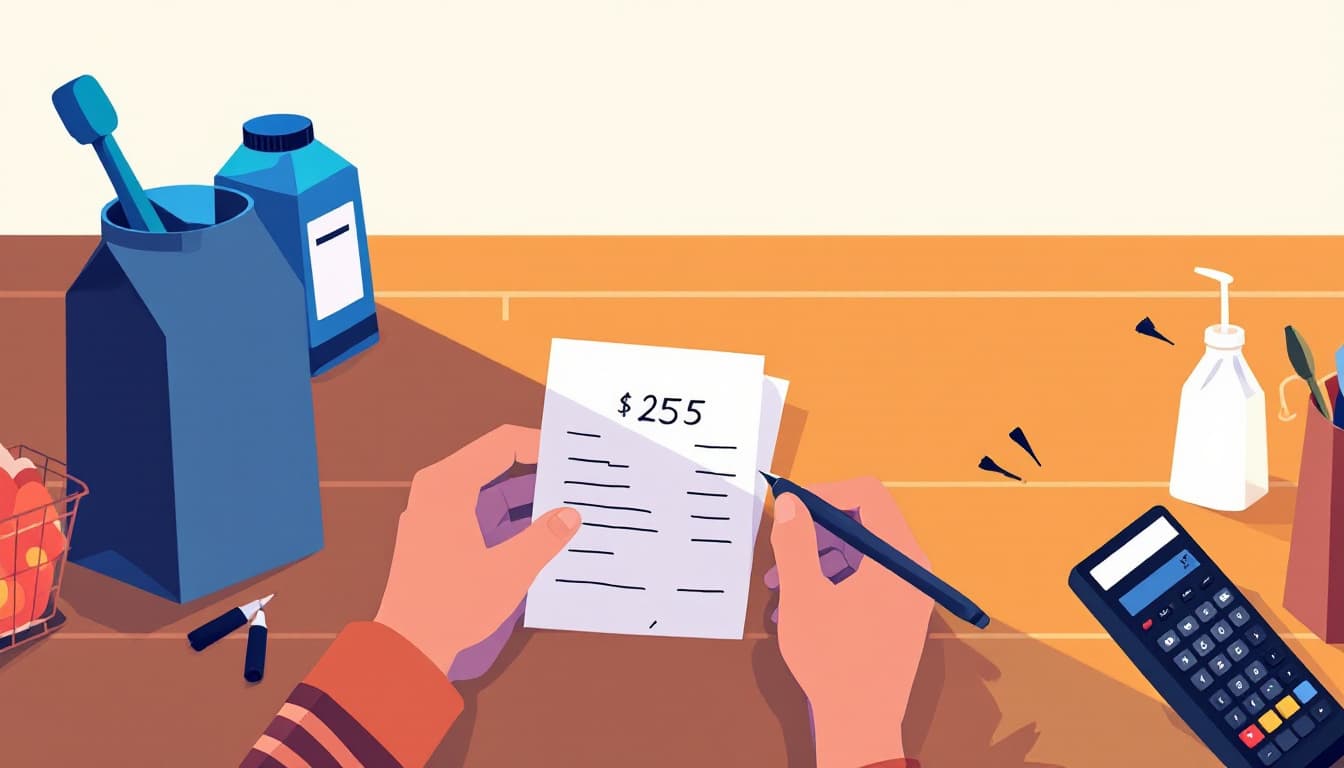
Run the actual numbers before subscribing. Sit down with three months of grocery receipts and count how many delivery or curbside orders you placed, and what you paid in fees. If the annual cost of a full Walmart+ membership — even at half price — exceeds what you actually paid in fees, the deal isn't a deal. If you grocery shop in-store every week, you may not need it at all.
Delivery subscriptions reward high-frequency users. A household that orders groceries twice a week extracts real value from free delivery. A household that orders twice a month probably doesn't, even at a promotional rate. Know which one you are before you hand over payment information, because renewal is automatic.
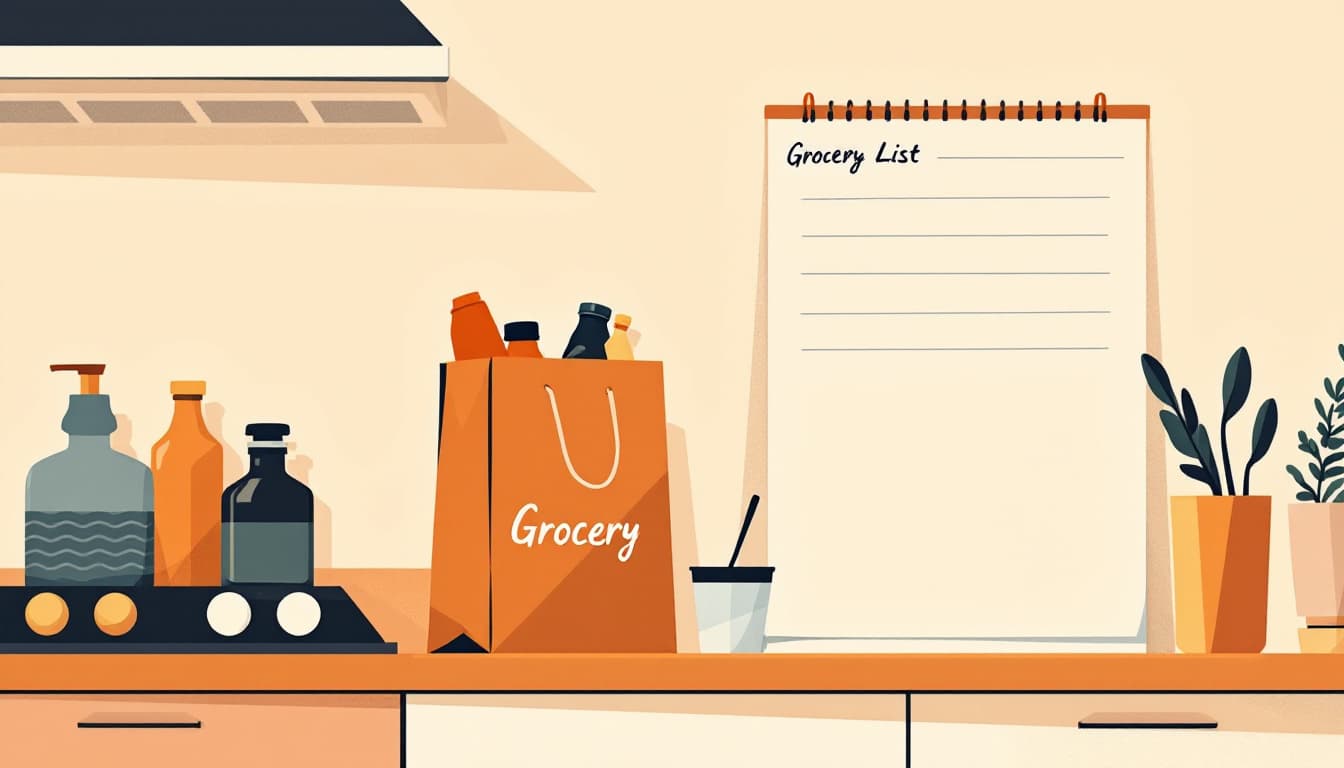
Use any delivery subscription to build a pantry buffer, not just to replace the weekly shop. This is the part preparedness thinking actually adds. If you do subscribe, run one or two orders specifically to stock shelf-stable goods — dried beans, canned tomatoes, rice, oats, shelf-stable milk — rather than using every order for fresh produce you'll eat this week. Free delivery drops the marginal cost of adding staples to an order close to zero. Take advantage of that while the math works.
A four-week food buffer for a family of four costs roughly $150–$250 in shelf-stable staples, depending on your region and diet. Built incrementally across a few orders, it's barely noticeable in the budget. Built as a single purchase, it feels like a big outlay. Delivery subscriptions make the incremental approach frictionless.
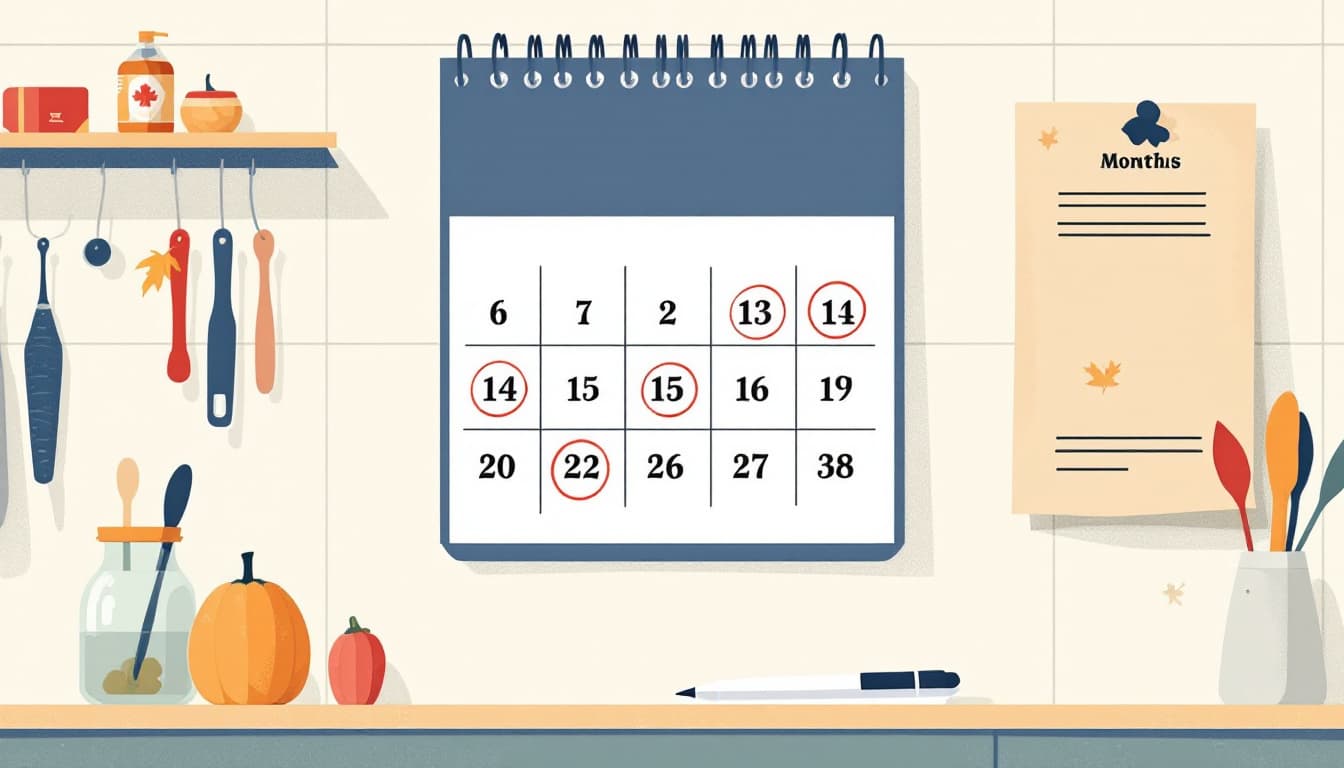
Set a calendar reminder for the renewal date today. Not the day before — today. Promotional subscriptions are designed around the assumption that you'll forget when the price changes. A $49 promotional membership that auto-renews at full price has cost you more than it saved if you don't catch it. This is not a moral failing; it's how the business model works. A single calendar alert removes the risk entirely.
Do not let grocery delivery become your only supply channel. This is the non-negotiable one. Know where your nearest store is that accepts cash. Know what its hours are. Know whether you can walk or bike there in a power outage or a vehicle breakdown. Delivery infrastructure has proven fragile during severe weather events, large-scale service outages, and even high-demand surge periods like major storms. It is a useful channel, not a guaranteed one.
The bigger picture
Retailers running aggressive subscription promotions is a signal worth reading carefully. It means competition for household wallet share is intense and margins are tight — and it means the companies offering these deals are betting on long-term lock-in to make the economics work. That is fine. You are allowed to participate in the deal and still maintain the habits that keep your household independent of any single channel.
Durability doesn't mean refusing to use the tools available. It means using them without becoming dependent on them.