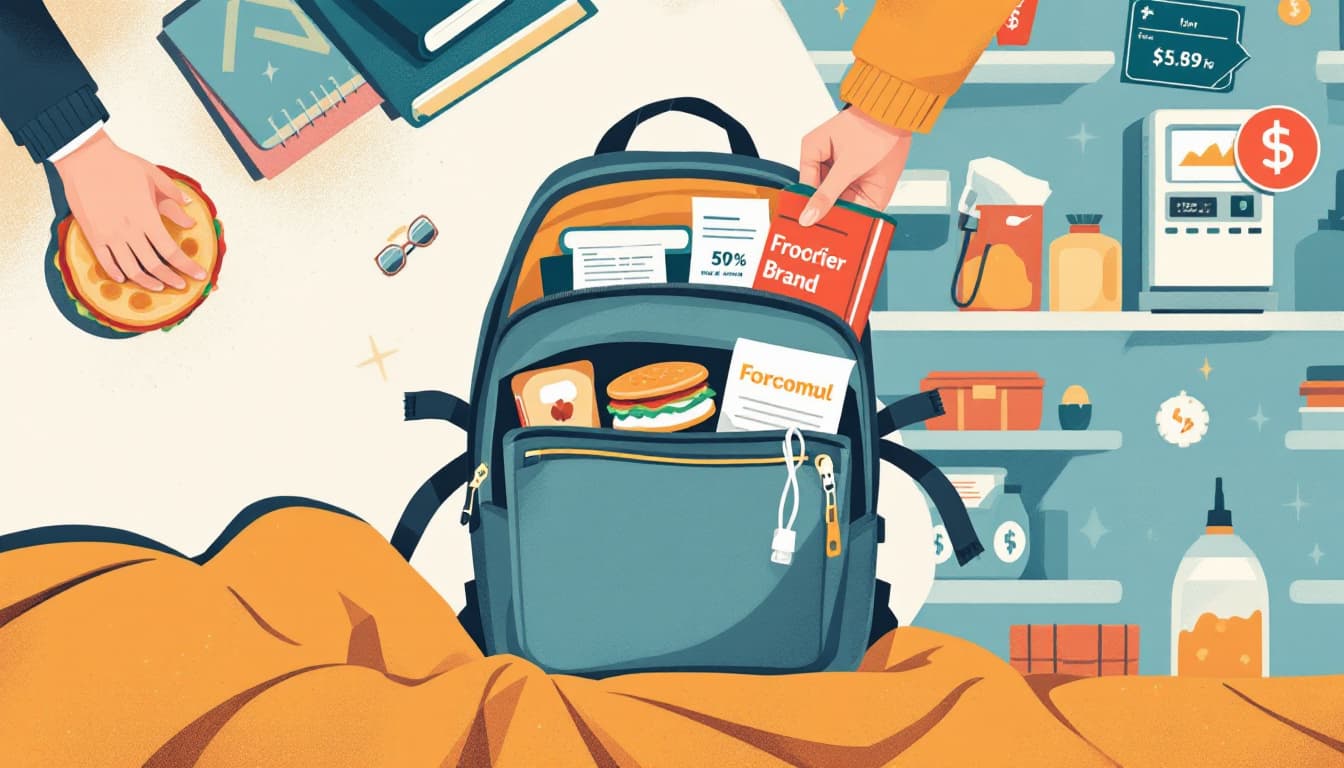
A Bridge Michigan opinion piece published this week makes an argument that sounds narrow but isn't: rising gas and food prices are falling disproportionately on Michigan students. Part-time wages, thin margins, no cushion. The piece frames it as an education story. It's also a household economics story — and if you look at it that way, the pattern it describes is happening at every income level where the buffer is thin.
What's actually changing
Fuel and food are the two budget lines that reset every week. You can defer a car repair. You can skip a subscription. You can't not eat and you can't not get to work or class. That's what makes these two categories different from other inflation pressure points: they compress the budget in real time, not over months.
Recent BLS data on consumer expenditures shows that lower-income households spend a significantly higher share of their budget on food and transportation than middle-income households do — a gap that widens when those categories spike simultaneously. Students occupy an extreme version of this position: fixed or semi-fixed income (financial aid, part-time jobs), high transportation exposure (commuting to campus or work), and food costs that don't come with the bulk-buying leverage a larger household can use.
What Bridge Michigan is describing locally is a version of what households across the country are managing: a squeeze that's structural, not temporary. Gas prices have been volatile since 2021, and food-at-home prices, according to recent USDA tracking, remain elevated compared to pre-2020 baselines even when monthly changes look modest. The cumulative effect is what matters. Families who absorbed the first wave by cutting discretionary spending have fewer places to cut now.
The student angle matters to non-students because students are the canary. They have no slack. When they start making visible trade-offs — skipping meals, dropping classes, taking on debt for groceries — that's a signal the pressure has moved past the point where ordinary belt-tightening absorbs it.
What we'd actually do
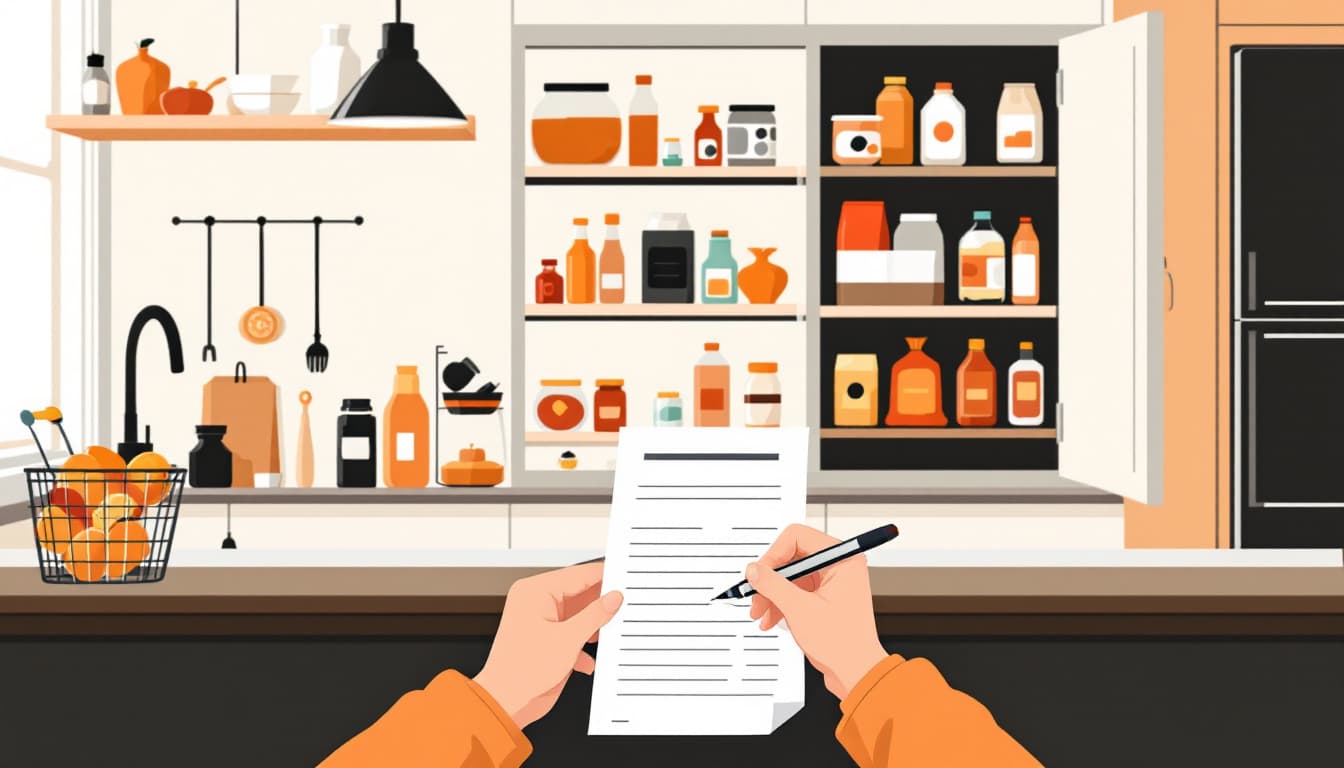
Build a four-week food cost baseline, not a budget. Sit down with your last four weeks of grocery and food receipts and calculate the actual cost per person per week. Most families estimate low by 20-30%. You cannot manage what you haven't measured. Once you have a real number, you can identify whether the problem is price (you're paying too much per unit) or volume (you're buying more than you need).
Treat fuel as a fixed monthly cost, not a variable one. Calculate your average monthly miles, your vehicle's real-world MPG, and the local average gas price. Multiply it out and put that number in your budget as a fixed line. This sounds obvious but most households treat fuel as "whatever it is this month," which means they never notice creep. When you fix the line, you notice variance immediately.
Build one month of pantry depth in the next 60 days. This isn't a bunker play. It's a price-lock strategy. Buying a three-week surplus of shelf-stable staples — rice, beans, canned protein, oats, pasta — when prices are stable means you're not buying at peak when prices spike. Recent commodity price volatility has shown multi-week swings of 10-15% on staples. A pantry is a hedge against that variance.
Audit your transportation options once. Not constantly — once. If you're driving a route you could partially replace with a lower-cost option on even two days a week, the annual savings are real. This is worth an hour of calculation, not a lifestyle overhaul.
If you have a student in your household, treat their food and fuel exposure as a household budget item. Students operating on tight margins often absorb costs silently until they can't. Folding their real expenses into the family picture, even if they're nominally independent, prevents small shortfalls from becoming large crises.
The bigger picture
The Michigan story is a local expression of something durable: when two essential, non-deferrable costs rise simultaneously, the households with the least buffer feel it first and loudest. But the pattern moves up the income ladder more than most people expect.
Preparedness here isn't about stocking up against collapse. It's about reducing the number of decisions you have to make under pressure. A measured pantry, a realistic fuel budget, and a clear picture of your actual food costs mean that when the next spike hits — and fuel prices in particular have spiked reliably every two to three years — you're not improvising. You're executing a plan you already made.
Durability is boring. That's the point.