Business Insider this week put out a call to readers asking how food price increases are hitting their grocery bills. That kind of crowdsourcing usually signals something: the data is moving faster than the narrative can catch up, and editors want real voices to put texture on numbers that are starting to feel abstract.
The numbers are not abstract if you're buying groceries. Recent USDA and BLS tracking shows food-at-home costs have climbed meaningfully over the past two years, with categories like eggs, cooking oils, and shelf-stable proteins showing the sharpest volatility. Tariff adjustments on imported goods have added a second layer of pressure on top of the supply-chain normalization that was supposed to bring prices back down. It hasn't, not fully.
Here's what this moment actually reveals: most households don't know their baseline. They know it "feels expensive," but they can't tell you whether their weekly grocery spend is up 12% or 28% from two years ago. That gap between felt and measured is where preparedness breaks down. You can't make good decisions with vague unease as your only instrument.
What's actually changing
The structure of food inflation is shifting in a way that matters for how you respond to it.
Early pandemic inflation was broad. Nearly everything went up at once, which paradoxically made it easier to absorb — you cut across categories. The current pattern is more uneven. Some staples are flat or slightly down. Others — particularly anything involving imported ingredients, long supply chains, or energy-intensive processing — are still climbing. That unevenness means the families who are getting hit hardest are the ones whose diets lean on the specific categories under pressure, often without realizing it.
Protein is the clearest example. Chicken has held relatively steady. Beef has not. Canned fish prices have moved with fuel and shipping costs. Eggs have swung dramatically. If your household is protein-heavy and you haven't shifted sourcing, you've absorbed a disproportionate hit.
The second structural shift is shrinkflation stabilizing into permanent resizing. The 16-oz container that became 13.5 oz in 2023 is not going back. That's a permanent per-unit price increase baked into the packaging. Shoppers who haven't updated their mental price-per-ounce benchmarks are systematically overpaying without knowing it.
What we'd actually do
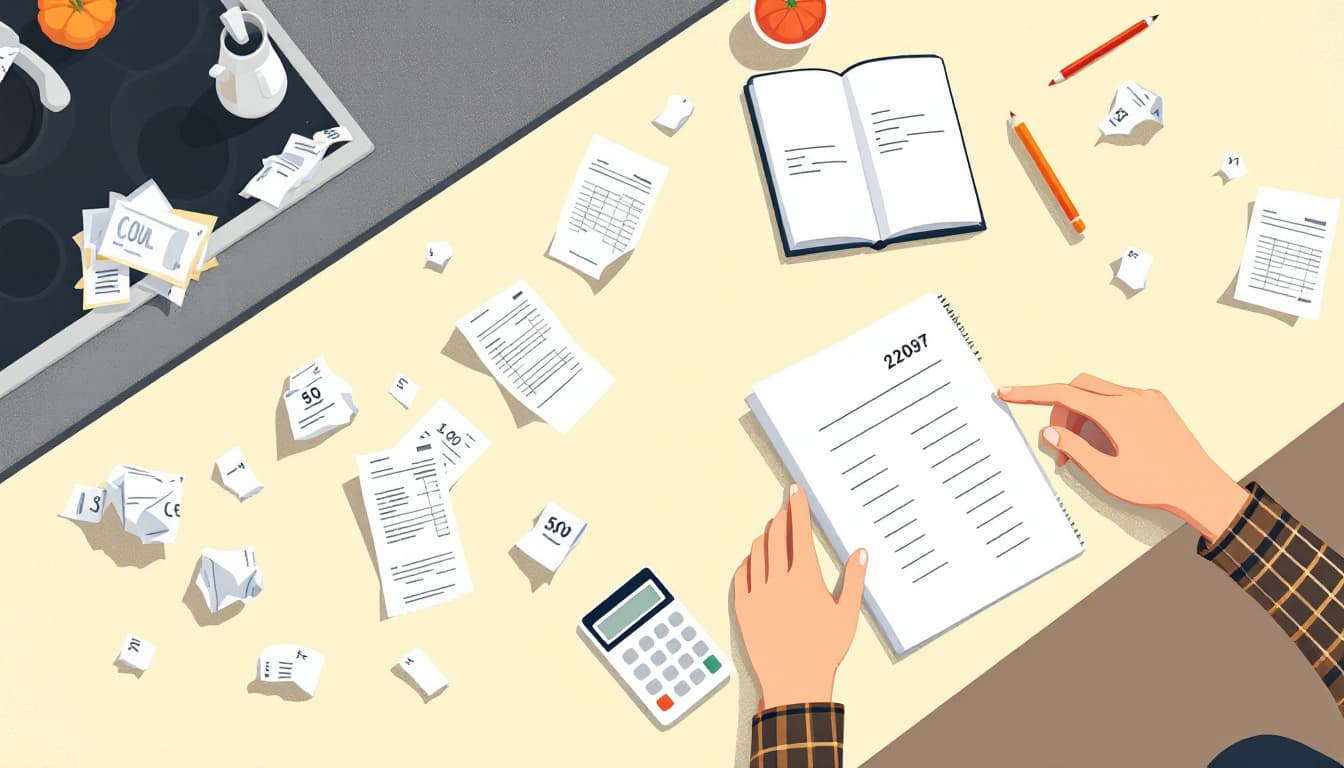
Track your actual spend for four weeks before doing anything else. Save every grocery receipt — or export your credit card's grocery category — and calculate your weekly average. Without this, any strategy you implement is guesswork. Four weeks gives you enough signal to separate a bad week from a trend.
The temptation is to skip straight to "buy in bulk" or "build a pantry." Don't. You need to know which categories are actually driving your spend. Most families find one or two categories account for a disproportionate share of the increase. Targeting those specifically is more effective than a broad overhaul.
Calculate price-per-unit on every shelf-stable staple you buy regularly. Bring a phone calculator. The shelf tag unit price is often misleading because stores don't always update it when packaging shrinks. Divide the price by the weight or count yourself. Do this once per quarter and you'll catch shrinkflation as it happens rather than six months later.
Build a one-month pantry buffer around your household's actual proteins and carbohydrates. Not a doomsday cache — a working buffer. Buy one extra unit of what you'd normally buy each week until you have a month's worth of the five or six items your household eats most. This smooths price volatility: when eggs spike, you're drawing from inventory you bought at the lower price while you wait for the market to settle.
Audit your unit-economics on protein specifically. Price out your current protein sources by cost per gram of protein, not by package price. Canned sardines, dried lentils, and whole chicken frequently outperform the options that feel cheaper at the register. This is not about eating worse — it's about spending money where the actual nutrition is.
Negotiate your loyalty. Most major grocery chains have digital coupons that require zero effort beyond clicking in an app. Recent loyalty program analyses suggest consistent users save between 8% and 14% on qualifying items. That's not life-changing, but on a $300 weekly grocery bill it's $24–$42 per week. Over a year, that's real money.
The bigger picture
Food cost pressure is not a crisis for most middle-class households. It is a slow, structural drain that compounds quietly over years if you don't pay attention. The families who manage it best are not the ones who stockpile freeze-dried food or clip coupons obsessively. They're the ones who know their numbers, shop with a strategy, and treat their pantry as inventory rather than a collection of things that might come in handy.
The goal here is not to survive a collapse. It's to make your household financially durable against the kind of grinding, unglamorous pressure that food inflation actually represents. That starts with knowing exactly what you're spending and why.