The Sun Sentinel reported this week that Tropical Storm Bertha has a tracked forecast path, which means the National Hurricane Center has enough confidence in the storm's movement to publish cone projections. That is not a formality. A named storm with a published cone is a storm that could affect your household within 72 hours or less, depending on where you live along the Gulf or Atlantic coast.
The window between "storm is named" and "storm is offshore" is the most important window most families waste.
What actually changes once a storm is named
A tropical storm watch or warning is not the same as a hurricane warning, and that distinction lulls people into underpreparing. Tropical storm conditions — sustained winds above 39 mph — are enough to knock out power for days, flood low-lying roads, and make grocery shelves empty within a news cycle. You do not need a Category 3 to lose refrigerated food, lose water pressure, or lose the ability to leave your neighborhood.
The other thing that changes: fuel. Once local TV runs storm graphics, gas stations develop lines within hours. If you are in or near any projected cone, fill your tank today, not tomorrow.
Forecast cones also carry a number that rarely gets discussed in local TV coverage: the cone represents the probable track of the storm's center, not the extent of dangerous conditions. Wind and rain effects extend well beyond the cone's edge. Families 100 miles outside the cone have had their roofs damaged by tropical storm bands. Plan for a wider footprint than the graphic suggests.
What we'd actually do
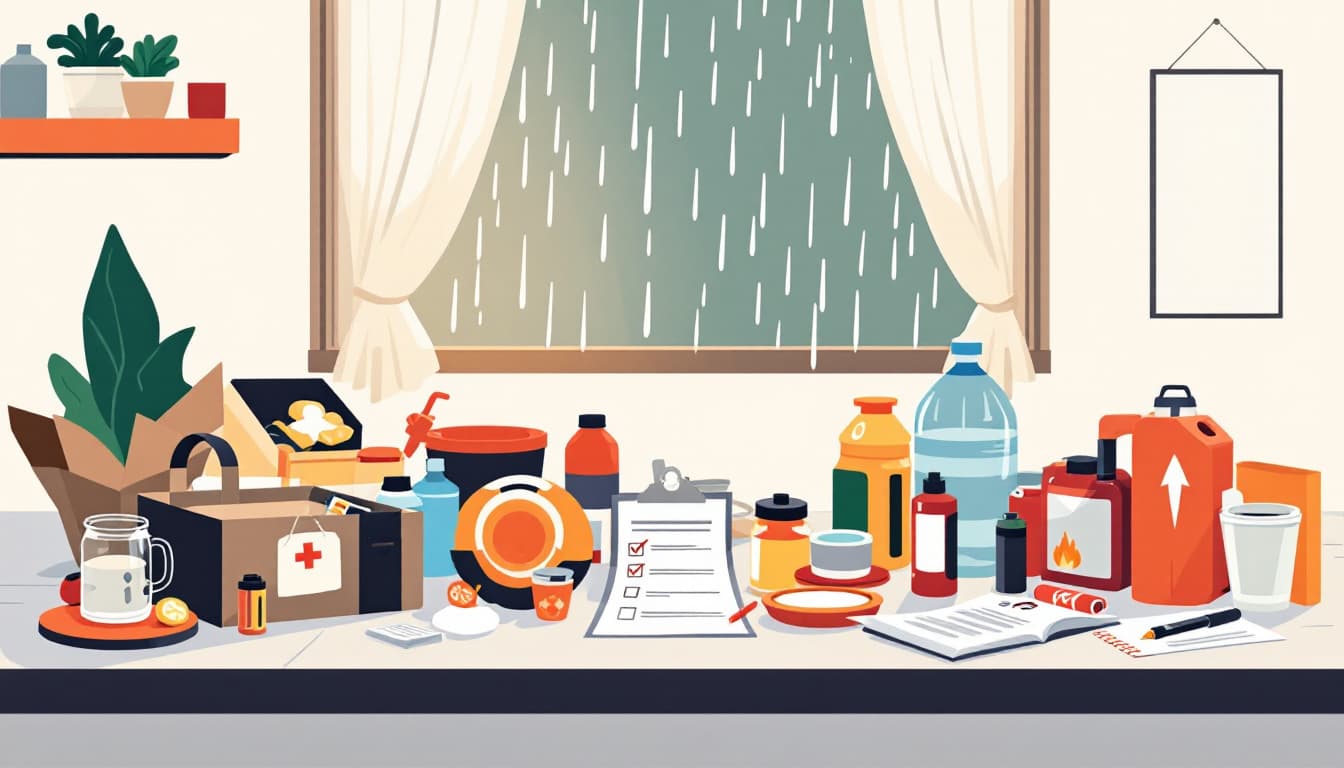
Fill water storage to your household's 72-hour minimum right now. FEMA's longstanding guidance is one gallon per person per day; a family of four needs at least 12 gallons for three days. If you have not already invested in dedicated water containers, fill every clean pot, pitcher, and bathtub you own. Bathtub liners — a $25-40 item sold at most hardware stores — can hold 100 gallons and fill in minutes before a storm.
Pull your "grab bag" out of wherever it's stored and check it. Most families assembled a bag after a previous scare and haven't touched it since. Prescription medications expire. Phone chargers get borrowed. A storm with a published track is the reminder to audit the bag, not to build it from scratch under pressure.
Make one call about your most vulnerable household member. If anyone in your home relies on powered medical equipment, dialysis, or refrigerated medication, call your county emergency management office today — not when a warning is issued. Most counties maintain special-needs registries that require advance enrollment; waiting until a watch is posted usually means the list is closed.
Decide your "stay or go" threshold now, in writing. The decision to evacuate is almost always made too late because families keep waiting for more certainty. Write down the specific condition — a Category 1 track within 50 miles, a mandatory evacuation order for your zone — that automatically triggers your departure. Deciding under stress, with kids and pets and a half-packed car, produces bad decisions.
Charge everything and locate your cash. ATMs and card readers go offline with power. Having $100-200 in small bills is not paranoia; it is functional liquidity during an outage. Charge phones, battery banks, and any rechargeable lanterns or radios before the storm arrives, not after the first band hits.
The bigger picture
The Atlantic storm season runs through November 30, and Bertha arriving in late July means the peak months — historically August through October — are still ahead. One storm prep cycle done well builds habits that carry through the rest of the season. The goal is not to stockpile for the apocalypse. It is to reduce the number of decisions your family has to make under duress when the next cone appears on your screen.
Durable households are not households that predicted every storm. They are households that made a small number of good decisions early enough that the storm became manageable, not catastrophic.