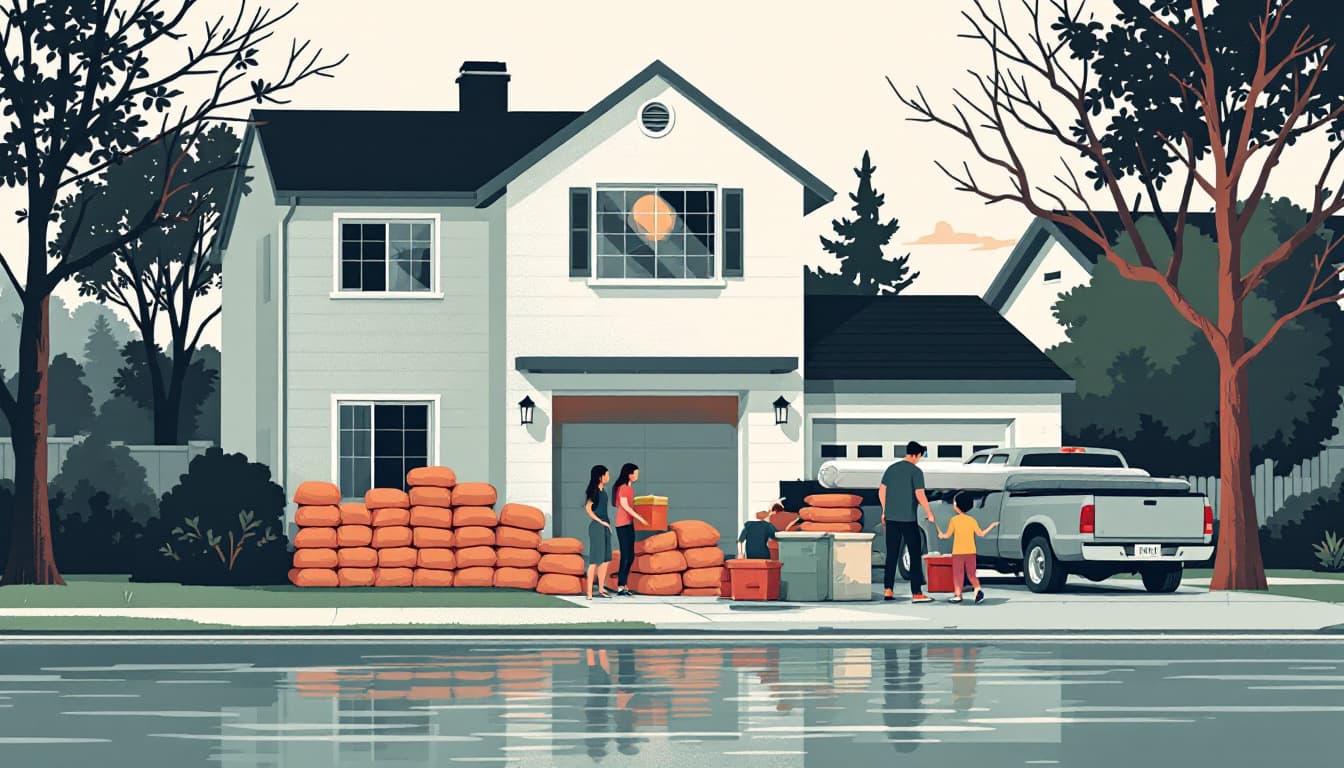
A WDSU report this week documented storm damage, heavy flooding, and tornado warnings as Tropical Storm Arthur moved across Louisiana. It is June 18. The Atlantic season runs through November 30. Arthur is the first named storm of 2026, and it already found the state unprepared in the ways that matter at the household level — clogged drainage, no documented insurance inventory, generators that haven't been test-run since October.
What's actually changing
Arthur is not the story. The story is that Louisiana households have roughly 165 days of active storm season remaining, and most of them just watched a named storm cross the state without completing the basic prep work that would have made the difference between a bad week and a catastrophic one.
The National Hurricane Center has noted that early-season storms frequently underperform on intensity forecasts but overperform on rainfall. That means the flooding threat arrives before the wind threat most people plan for. South Louisiana's clay-heavy soils and below-sea-level parishes — Orleans, Plaquemines, St. Bernard, Terrebonne, parts of Lafourche — do not drain the way mid-country geography does. An inch of rain in two hours in Metairie or Morgan City is not the same problem as an inch of rain in two hours in Memphis.
The Louisiana Governor's Office of Homeland Security and Emergency Preparedness (GOHSEP) publishes storm guidance and tracks shelter locations, but the gap between what GOHSEP recommends and what households actually have in place at 11 p.m. on a Tuesday when a tornado warning drops is wide. Arthur showed that.
There is also a flood insurance lag that traps families every season. Standard FEMA National Flood Insurance Program policies carry a 30-day waiting period before coverage activates. If you do not have a policy today, you cannot get one in time to matter for the next storm.
What we'd actually do
Pull your NFIP policy documents this week and read what's actually covered. Most Louisiana homeowners who carry flood insurance have never read the declarations page closely. NFIP policies exclude contents in basements, some detached structures, and currency. They cap building coverage at $250,000 and contents at $100,000. If your home's replacement cost exceeds that — and in current construction markets many do — you have a gap. Call your agent, not an 800-number, and ask specifically about excess flood coverage through a private carrier. Do this before July.
Do a documented home inventory this month, not this fall. A 20-minute walk-through with your phone camera, filming every room and opening every closet, creates the documentation your adjuster needs after a loss. Store the video somewhere off-premises — a Google Photos album, an emailed link to yourself, a thumb drive at a family member's house north of I-10. Most Louisiana families who lose the most in a storm claim the least because they cannot prove what they owned.
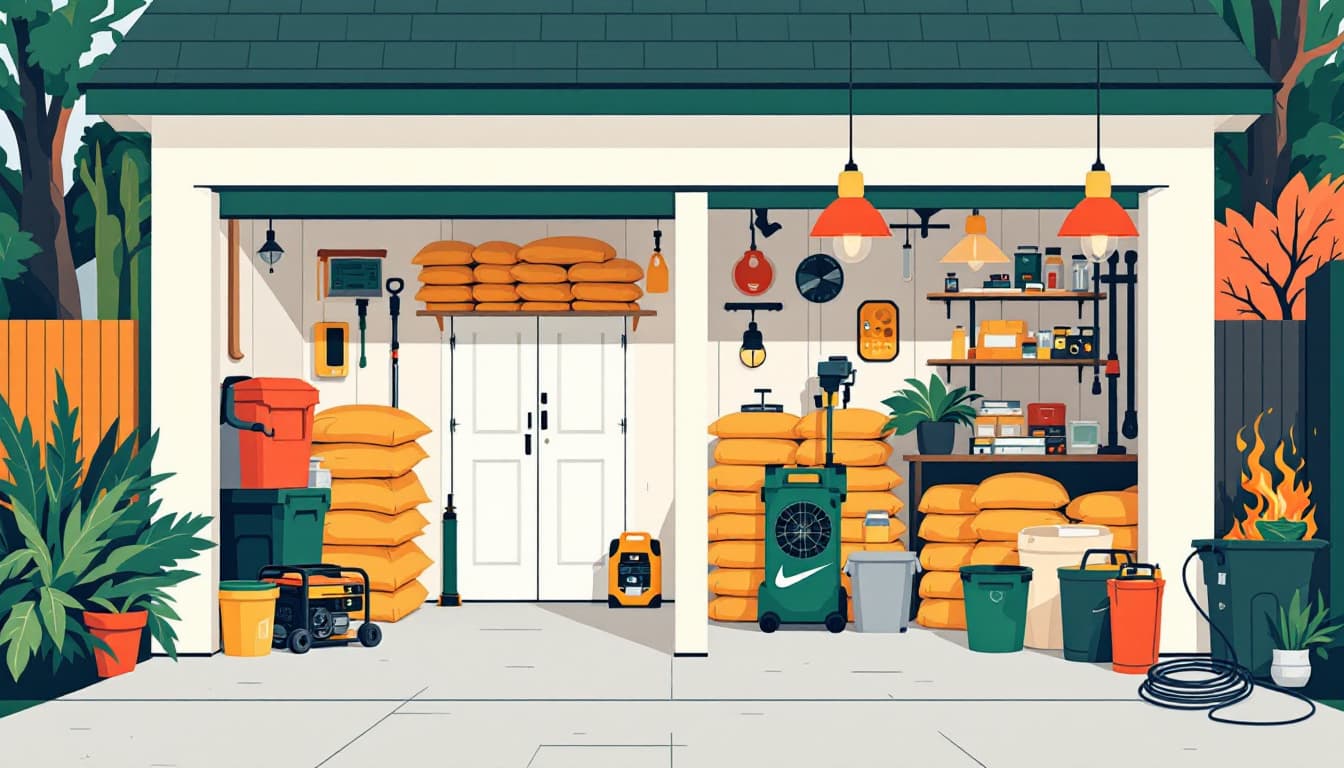
Test your generator under load, not just at idle. Start it, plug in your refrigerator and a box fan, and run it for two hours. Check the oil. Check the fuel stabilizer if it's been sitting since last season. A generator that starts but trips under load at 9 p.m. during an outage is not prepared equipment. If you don't have a generator, a $50 battery-powered fan and a full chest freezer — kept at maximum cold — buys you 48 hours of food safety without any fuel at all.
Identify your specific tornado shelter now, before the next warning. Louisiana does not have a lot of basements. In most of the state, a bathroom or closet in the interior of the lowest floor, away from windows and exterior walls, is your option. Know which room that is in your house. Tell your kids. A tornado warning on a phone at 2 a.m. is not the time to make that decision.
Stockpile a week of water, not a three-day supply. FEMA's traditional 72-hour guidance reflects the minimum for short federal response timelines. After major flooding events in south Louisiana, road closures, pump failures, and boil-water advisories have regularly stretched past a week. One gallon per person per day. A family of four needs 28 gallons. That fits in a standard closet and costs under $30 at any Walmart or Rouses.
The bigger picture
Louisiana has been here before — many times, at much larger scale. The risk is not that residents don't know storms are coming. The risk is that the work of preparing gets deferred until the storm is already named and on the map, at which point store shelves are empty, contractors are booked, and flood policies are still 30 days from activating.
Arthur was small. Small is useful. Use it.
The goal is not to be ready for the worst-case scenario in some abstract sense. The goal is to make sure the next bad week stays a bad week, not a year-long recovery.