A report this week from KATC out of Lafayette puts two threats on the board at the same time: extreme heat gripping Louisiana right now, and Tropical Storm Bertha developing in the Gulf. Those two things together create a narrower preparation window than either one alone would.
Here's the problem. Heat waves strain the grid before a storm ever makes landfall. When Entergy Louisiana or CLECO is already running near capacity to keep air conditioners running, a tropical system coming ashore — even a weaker one — doesn't have to be catastrophic to knock out power for days. And losing power during a heat event is a medical emergency, not an inconvenience. The Louisiana Department of Health has noted in past summers that heat-related illness spikes sharply when power outages extend beyond 24 hours, particularly for residents over 65 and those on medications that affect thermoregulation.
Bertha's track is still uncertain. That uncertainty is not a reason to wait.
What's actually changing right now
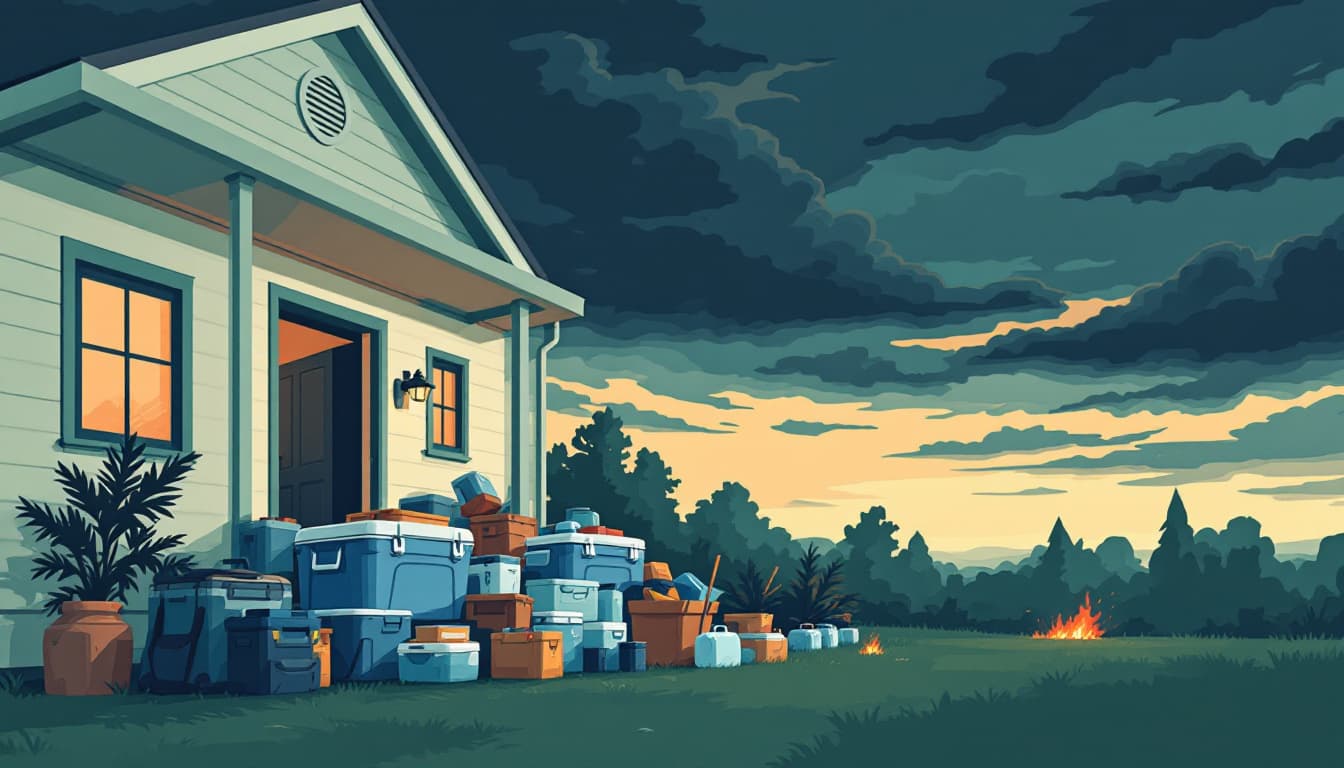
The combination of sustained heat and an active Gulf system compresses your usable preparation time. Once a tropical storm earns a hurricane watch for Louisiana coastal parishes — Lafourche, Terrebonne, Plaquemines, Cameron, and others along the boot — grocery stores move fast. Ice disappears first. Then water. Then batteries. In New Orleans and Baton Rouge, that sequence has played out enough times that most long-term residents know it. But knowing it and acting ahead of it are different things.
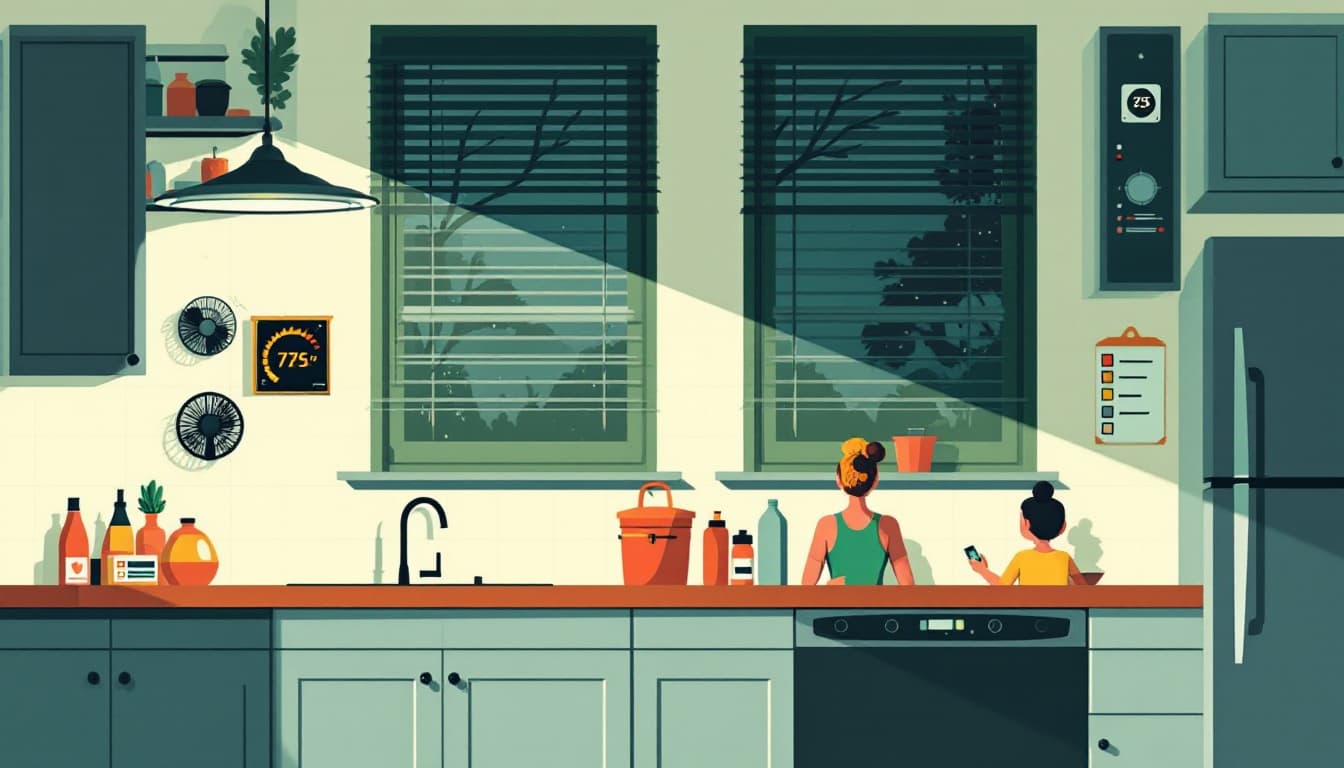
The heat layer matters independently. Louisiana's heat index regularly exceeds 110°F in July across the I-10 corridor. That's not a weather curiosity — it's a physiological limit. The human body cannot shed heat effectively at those levels without mechanical cooling or shade plus airflow. If the grid goes down mid-storm or in the days after, the risk calculus shifts fast.
Bertha's Gulf position also means the storm can intensify quickly. The Gulf of Mexico in late July carries enough warm surface water to support rapid strengthening. KATC and the National Hurricane Center will both update track models as the system develops, and those updates can change the projected cone meaningfully within 24 to 48 hours. Watching one model frame from this morning and treating it as settled is a mistake.
What we'd actually do
Check your cooling plan before you check storm supplies. If the power goes out this week and temperatures stay above 95°F, where are you going? Identify the nearest cooling center in your parish now, before you need it. Louisiana's 211 line and most parish OEP websites maintain updated lists. A generator is useful, but a plan that doesn't require one is more durable.
Fill a five-gallon jug today, not the day a watch is issued. Water stores don't require a storm watch. Municipal water systems in southeast Louisiana have had pressure issues during past storm events. A filled bathtub is better than nothing, but it's not reliable for drinking. Two to three gallons per person per day is the standard benchmark for a 72-hour outage. A family of four needs roughly 25 gallons to cover that window.
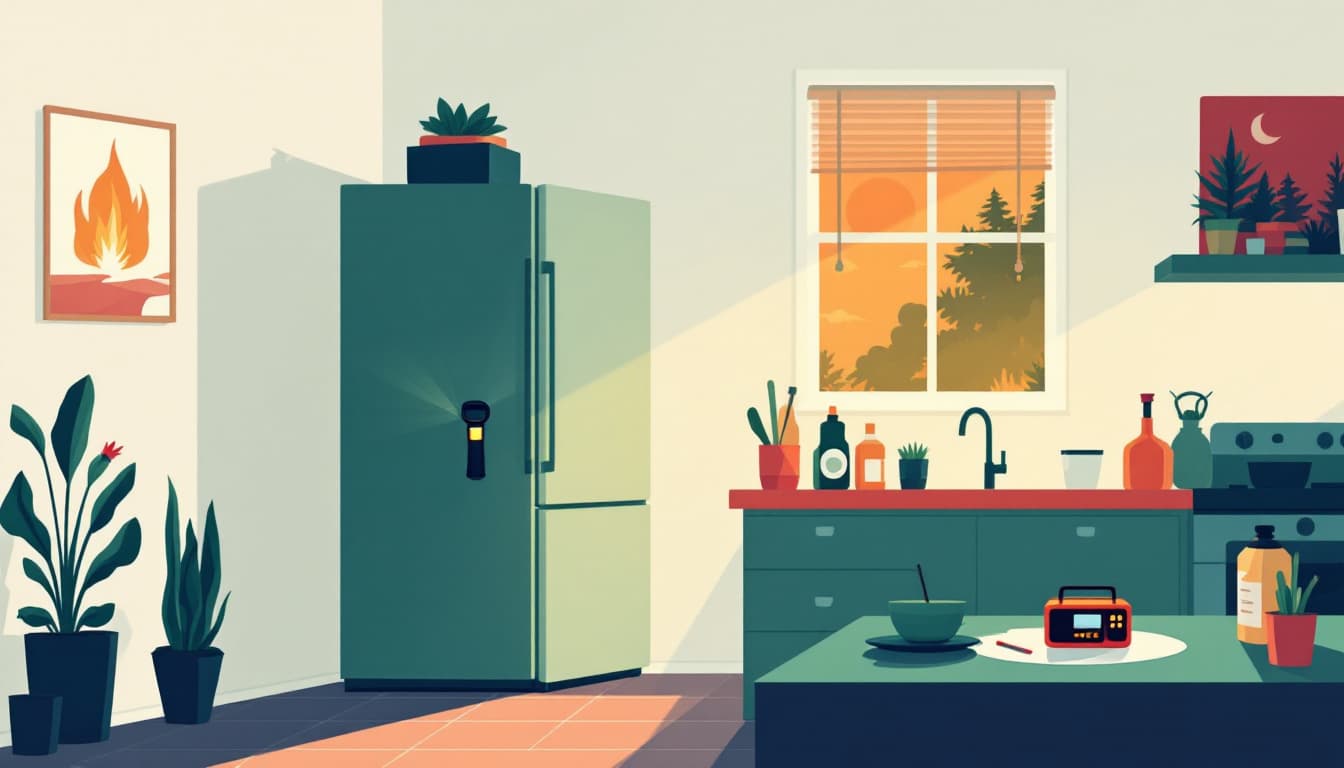
Freeze what you can, now. If you have unused freezer space, fill it with water in zip-lock bags or Tupperware. Frozen mass extends how long your freezer holds temperature after power loss — USDA guidance says a fully packed freezer can hold safe temperatures for about 48 hours after shutdown, versus roughly 24 hours when it's half-full. This costs nothing today.
Pull your prescriptions forward. Heat and humidity degrade some medications faster than people realize, and a post-storm pharmacy situation in Louisiana can be chaotic. If you or a family member takes a maintenance medication, check whether you're within the refill window. Don't wait until a watch is posted to find out your pharmacy has a two-day queue.
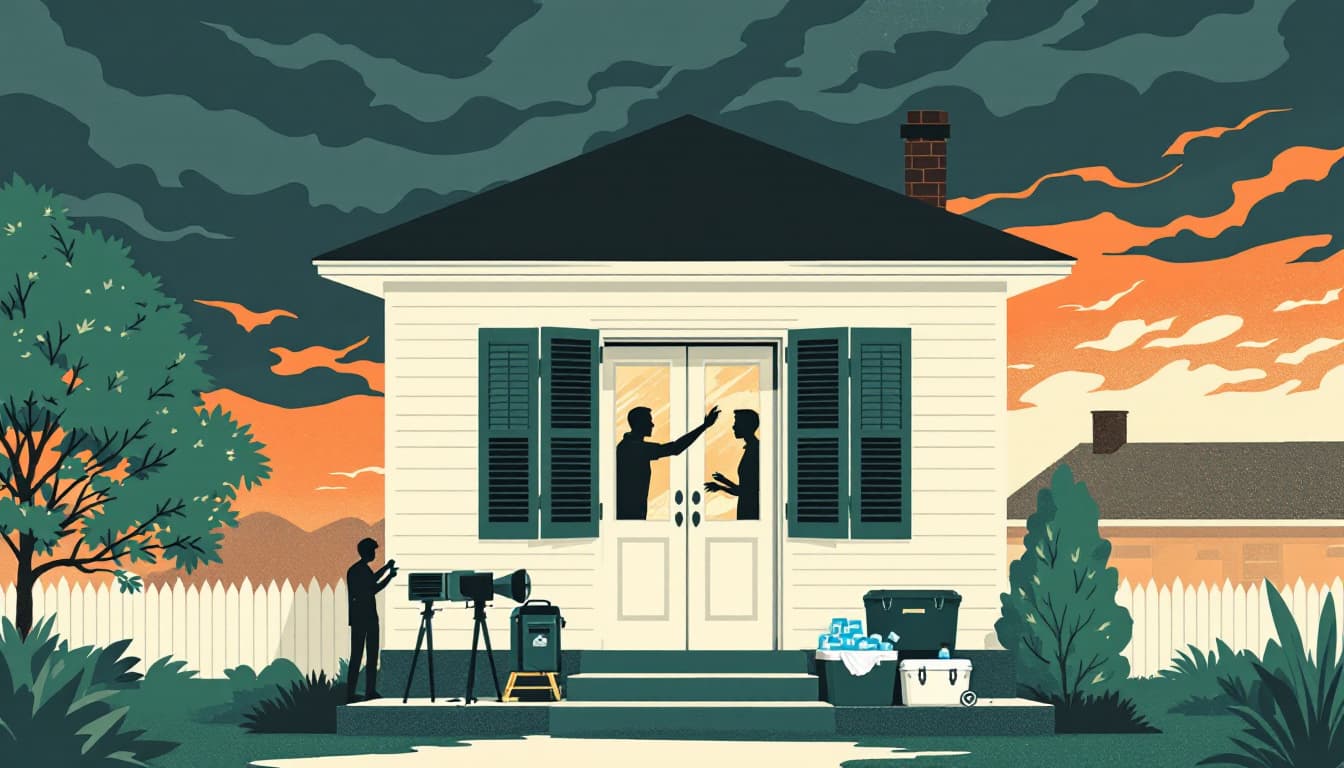
Know your evacuation threshold before the cone narrows. Coastal parish residents especially: decide now what storm category or surge forecast triggers your decision to leave. Making that call in advance, in a calm moment, is different from making it at 2 a.m. when a watch becomes a warning. Write it down. Share it with whoever you'd evacuate with.
The bigger picture
Louisiana households are not fragile. Generations of residents have navigated Gulf storms, flooding, and brutal summers. But the tendency to treat heat and storm threats as separate seasonal problems — to think "we'll deal with the hurricane stuff later" while the heat index is already at 108°F — is exactly where preparation breaks down. Durability means recognizing when two problems are compressing into one timeline and adjusting accordingly.
Bertha may strengthen, weaken, or recurve. The heat will not be moving out. Act on what's certain while you monitor what isn't.