On a 108-degree afternoon in the Dallas-Fort Worth Metroplex, the asphalt surface temperature can exceed 160°F. A dog walked across that pavement for 60 seconds can suffer pad burns that require veterinary care. Most Texas pet owners know this at some level. Far fewer have thought through what happens to their animals when the AC goes out for six hours on a July afternoon — which ERCOT grid stress events have shown is a realistic scenario, not a hypothetical one.
A report this week from CBS News covered the basics of pet heat safety: shade, water, limiting outdoor time. That's accurate as far as it goes. What it doesn't address is the compounding problem Texas households specifically face — an outdoor environment that is dangerous by mid-morning, a grid that has shown vulnerability under peak summer load, and a pet population that includes working and outdoor dogs not always kept inside by default.
What's actually different about Texas heat for animals
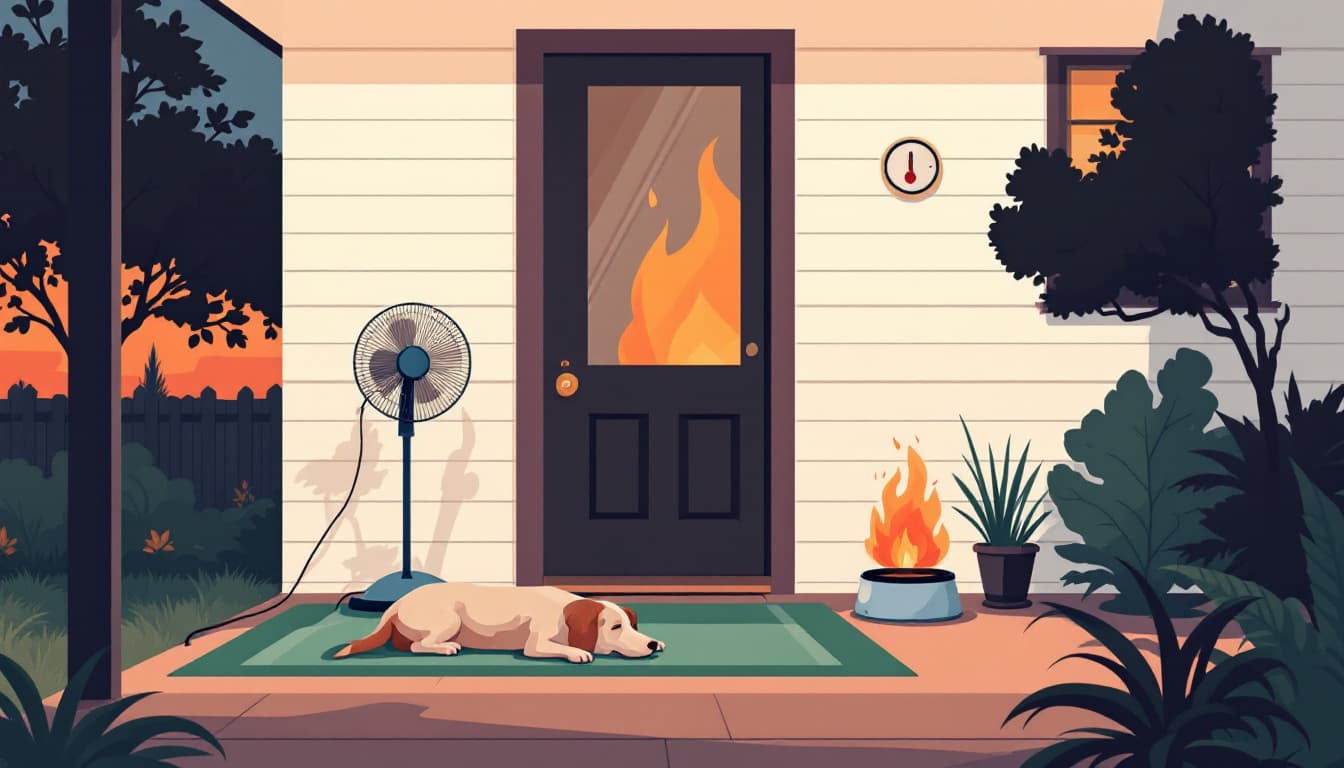
Heat stress in pets isn't just about air temperature. Humidity, ground surface temperature, and — critically — the loss of indoor cooling all matter. A dog left in a house that climbs from 74°F to 95°F over four hours during a power outage faces a more dangerous situation than one left outside with shade and water access. Brachycephalic breeds (bulldogs, pugs, French bulldogs) and dogs over seven years old are at elevated risk even at temperatures most Texas owners consider routine.
The Texas Tribune and state emergency management data have both noted that the state's July and August heat events increasingly overlap with periods of grid strain. That's not alarmism. It's a planning variable.
Cats are more heat-tolerant than most owners assume, but senior cats and those with kidney disease — common in older animals — dehydrate faster and need more water access points than a single bowl.
What we'd actually do
Identify your pet's heat threshold, not just the general advice. Spend ten minutes with your vet at your next visit specifically asking about your individual animal's heat risk — breed, age, weight, and any existing conditions all change the answer. A seven-year-old overweight Labrador in Houston is a different case than a young mixed breed in El Paso. Make this a calendar item before August.
Build a four-hour power-outage plan for your animals today. This is the gap most Texas households have. Know which room in your house stays coolest without AC (usually an interior bathroom or ground-floor room with no south-facing windows). Have a battery-powered fan — not for cooling, since it doesn't significantly cool animals the way it helps humans, but for air circulation. Know the nearest 24-hour facility with reliable power where you and your pets could go: a family member's home, a pet-friendly hotel, or a cooling center that accepts animals. Check your county's emergency management website now. Harris County, Bexar County, and Travis County all publish lists of cooling resources, though animal accommodation varies.
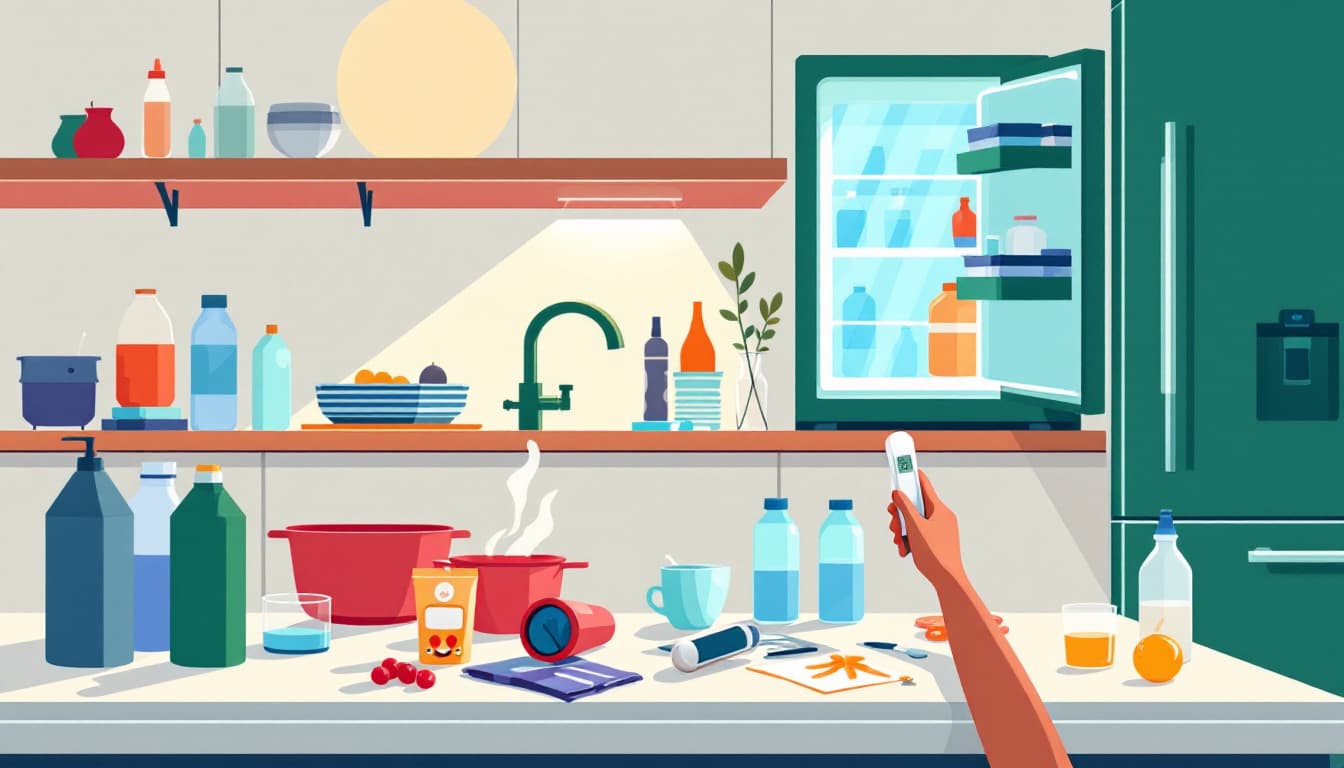
Keep three days of water stored specifically for your animals. A large dog drinks close to a gallon a day in normal conditions; in heat, that can double. If your household water supply is disrupted by a boil-water notice — which Texas municipalities have issued repeatedly in recent years — your pet's needs compete with your own. One case of bottled water per medium-to-large dog, rotated every few months, costs under $10 and takes up minimal space.
Check your vehicle habit right now, not when it's relevant. At 95°F ambient, a parked car's interior reaches 130°F within 20 minutes. Texas law does permit citizens to break a vehicle window to rescue an animal in immediate distress, but the animal may already be dying. The fix is behavioral, not gear-based: leave pets home when you're running errands, full stop, June through September.
Know one sign of heat stroke in your specific animal. In dogs, it's excessive panting that doesn't slow down, combined with red or pale gums and disorientation. In cats, open-mouth panting is already a serious sign — cats almost never pant unless something is wrong. If you see it, cool water on the paw pads and inner thighs and an immediate call to your vet are the right moves. Ice water is counterproductive; it constricts surface blood vessels and slows cooling.
The bigger picture
Texas summers are not going to get easier for animals or their owners. The combination of urban heat island effects in San Antonio and Houston, grid stress in July and August, and increasingly compressed extreme-heat windows — where temperatures don't drop meaningfully overnight — means pet heat planning is now a year-round household maintenance question, not a seasonal reminder. The families who do well in these conditions aren't the ones with the most gear. They're the ones who made three or four low-cost decisions in May and June, before it mattered.