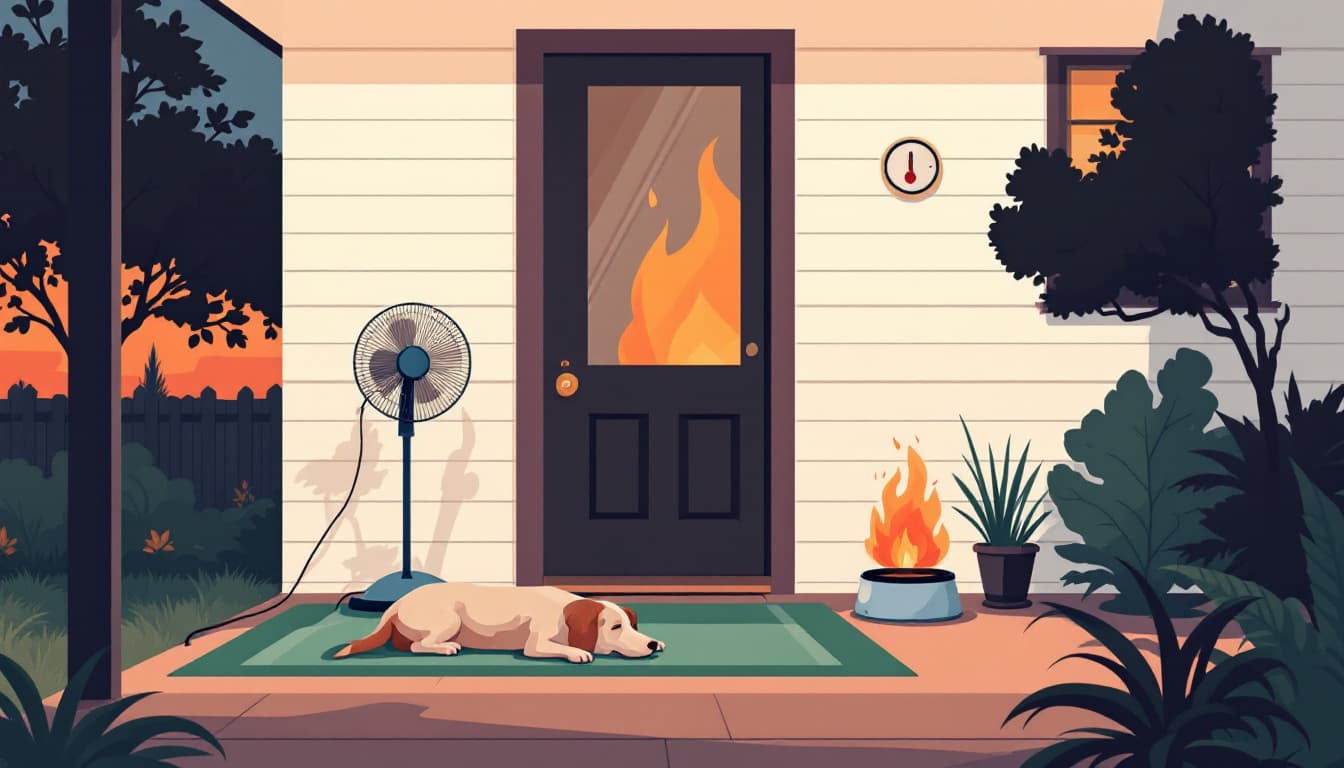
On a July afternoon in Corpus Christi, the air temperature can read 98°F while the pavement surface climbs past 150°F. A dog walking to the car and back can blister its paws. A pet left in a parked vehicle — windows cracked — can reach fatal core body temperature in under ten minutes.
A report this week from KRIS 6 News Corpus Christi put that timeline front and center: extreme heat kills pets fast, and the margin for error is smaller than most owners assume. The report is timely, but it stops at awareness. What it doesn't cover is the household-level planning that actually keeps animals alive through a Texas summer — especially during the grid stress events and power outages that increasingly accompany heat waves across the state.
What's actually changing
Texas heat is not new. What has shifted is the combination of factors hitting households simultaneously: longer stretches of overnight temperatures that stay above 80°F (which prevent animals and people from recovering between hot days), aging residential HVAC systems working at maximum load, and the real possibility of rolling outages during peak demand windows. ERCOT has flagged conservation watches in recent summers, and there's no guarantee this one is different.
For pets, that combination is worse than a single hot afternoon. A dog or cat in a house that loses power at 3 p.m. in July is in a different situation than one that overheats during a walk. The enclosed space heats steadily. The animal can't sweat. And the owner may be at work, in a building with power, unaware.
Most household emergency plans — the ones families actually write down — address water, food, and shelter for people. Pets appear, if at all, as an afterthought: "grab the dog." That's not a plan. It's a hope.
What we'd actually do
Map every pet's heat risk profile this week, not when a watch is issued.
Different animals fail at different rates. Brachycephalic breeds (bulldogs, pugs, Persian cats) overheat faster than longer-snouted animals. Older pets and overweight pets have less thermal tolerance. Knowing which animal in your house is highest-risk tells you where to concentrate effort — and which animal you evacuate first if cooling fails.
Designate a power-loss protocol before an outage happens.
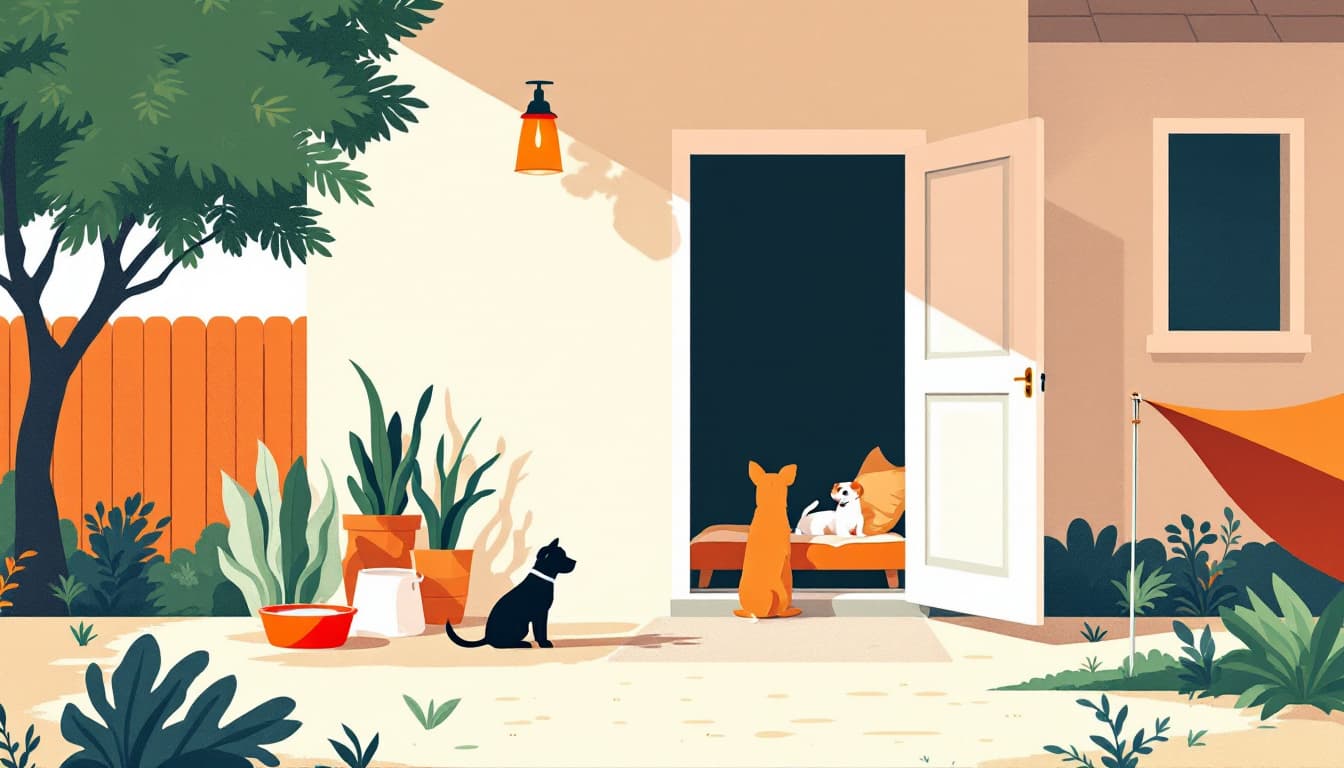
Decide in advance: if the house loses power for more than two hours during daylight between June and September, where do the pets go? A neighbor with a generator? A family member's house? A pet-friendly hotel you've already identified? In Texas, that list should include at least two options because your first choice may also be without power. Write the addresses and phone numbers down. Do not rely on searching for options after your phone battery is at 40%.
Buy a battery-powered fan and a cooling mat — not as luxury items, but as medical equipment.
A small rechargeable box fan and a gel cooling mat together cost under $60 at most Texas hardware or pet retailers. For a pet in a room without AC, airflow combined with a cool surface buys meaningful time. This is not a permanent solution — it's a bridge to getting the animal somewhere cool. Keep both items accessible, not in a closet under holiday decorations.
Know the signs of heat stroke and the correct first response.
Heat stroke in dogs presents as heavy panting, thick saliva, red gums, and loss of coordination. The instinct is to douse the animal in ice water. That's wrong — it constricts surface vessels and slows cooling. Instead, move the animal to a cool space, apply room-temperature wet towels to the armpits, groin, and neck, and get to a veterinarian. In South Texas, know which emergency vet clinics operate 24 hours; not all do, and distance matters when time is ten minutes.
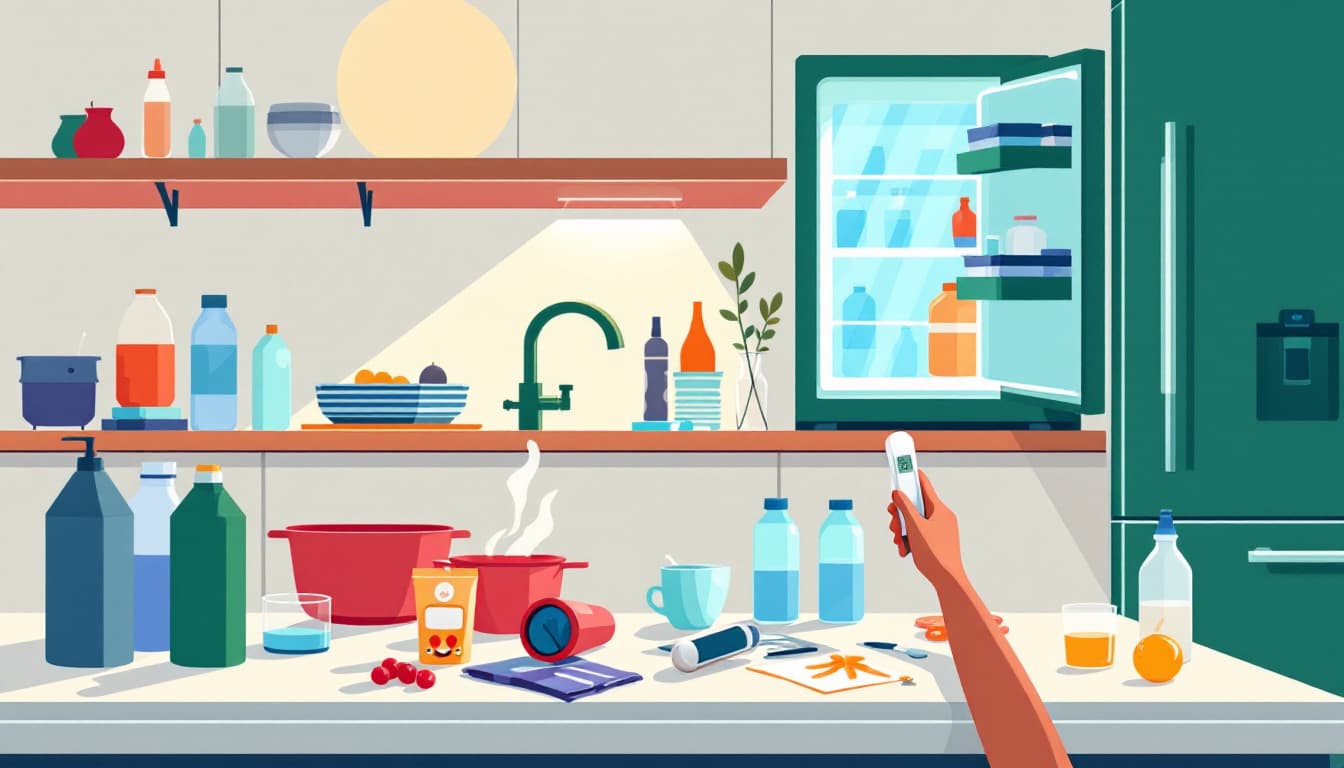
Revisit your go-bag to include a 72-hour pet kit.
Water (pets need roughly one ounce per pound of body weight per day in heat), a collapsible bowl, any medications, vaccination records, and a leash and carrier. If you evacuate for a hurricane or heat emergency, shelters along the Texas Gulf Coast and I-35 corridor vary widely in their pet policies. Calling ahead is not optional.
The bigger picture
A household that handles a July power outage without losing a pet has done something real: it has demonstrated that its systems work under pressure. That's the actual goal of preparedness — not stockpiling, not fear, but building enough margin into daily life that ordinary emergencies don't become catastrophic ones.
Texas summers will keep testing that margin. The families that hold up are the ones that planned on a Tuesday in June, not in the middle of a heat advisory on a Saturday afternoon.