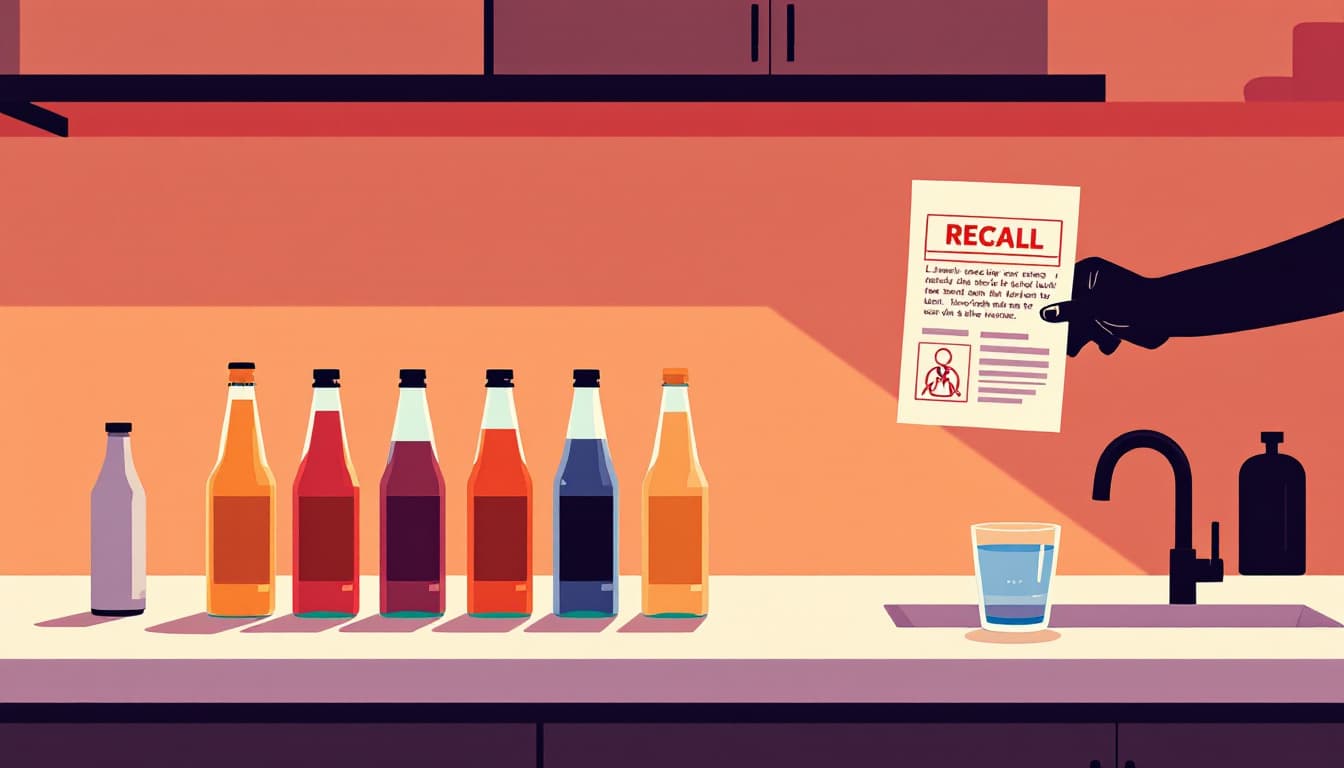
A WKRN News 2 report this week flagged a recall of specialty beverages distributed across 25 states, Tennessee and Kentucky among them, citing possible contamination. The details at the retail level — which brands, which lot numbers, which stores — are still the kind of thing you have to track down yourself through the FDA's recall database. That gap between "there's a recall" and "here's exactly what to do" is where most households lose time.
This is a good moment to stop treating recalls as someone else's problem to sort out.
What's actually changing
Beverage recalls are not rare. The FDA logs dozens per year, covering everything from undeclared allergens to microbial contamination. What makes this one worth your attention is the distribution footprint: 25 states means this product moved through major regional distributors, the kind that stock independent grocery stores, specialty food shops, and convenience retailers across Middle Tennessee, East Tennessee, and the Tri-Cities corridor. You don't have to shop at a niche retailer to have picked this up.
The contamination type matters too, though the current reporting doesn't specify it. Microbial contamination — listeria, salmonella, E. coli — carries a different risk profile than a labeling error or a chemical threshold violation. Until the FDA recall notice clarifies, treat it as potentially serious and check your shelves today.
The deeper issue: most households have no system for tracking recalls. They find out weeks later, if at all, when a friend mentions it or a news alert surfaces. That lag is the actual preparedness gap here.
What we'd actually do
Check the FDA recall database directly. Go to fda.gov/safety/recalls-market-withdrawals-safety-alerts and search by product category or brand. This is the authoritative source — faster and more complete than waiting for local news follow-up. Bookmark it. Tennessee households near state lines with Kentucky should check KDPH and the Kentucky agriculture department's recall feeds as well, since distribution overlaps.
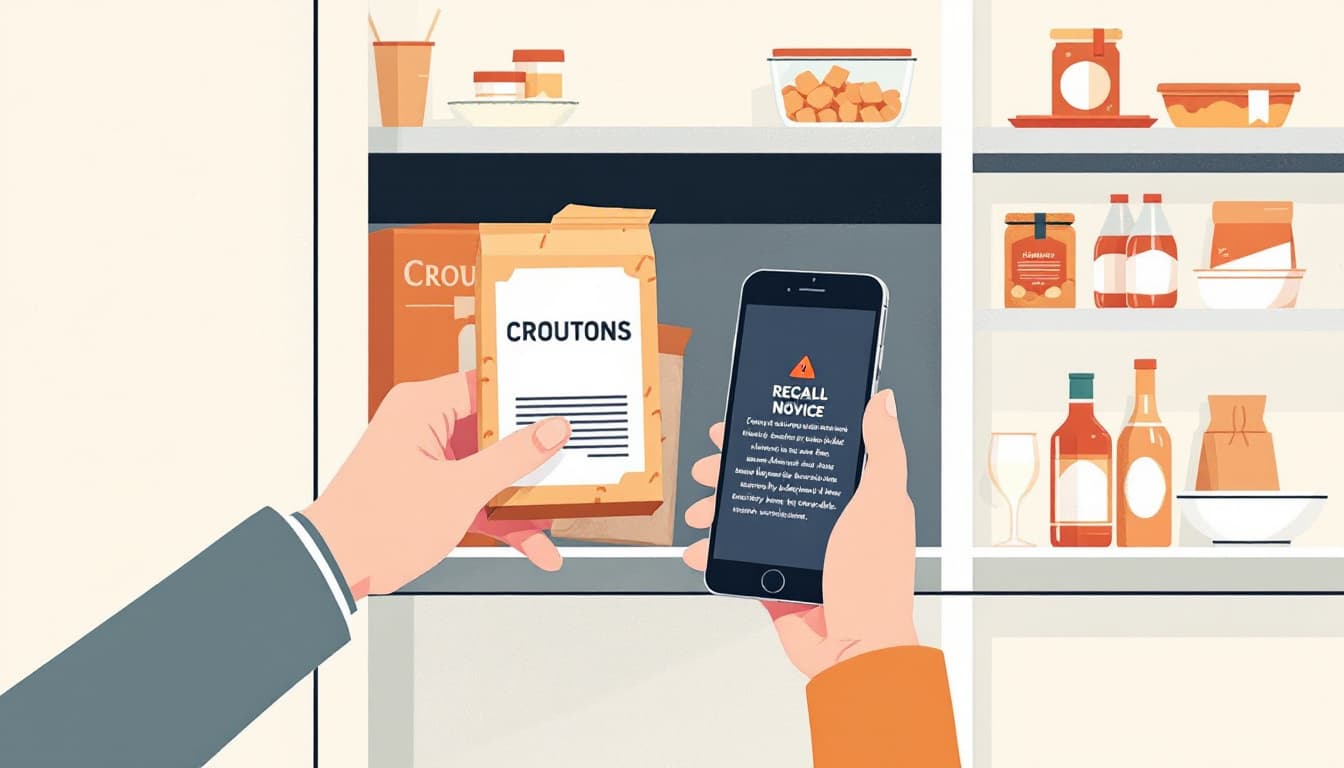
Do this before you check the product in your cabinet. You want the lot number and "best by" date information in front of you before you go looking, because matching a partially remembered label to a recall description is how people convince themselves they're in the clear when they're not.
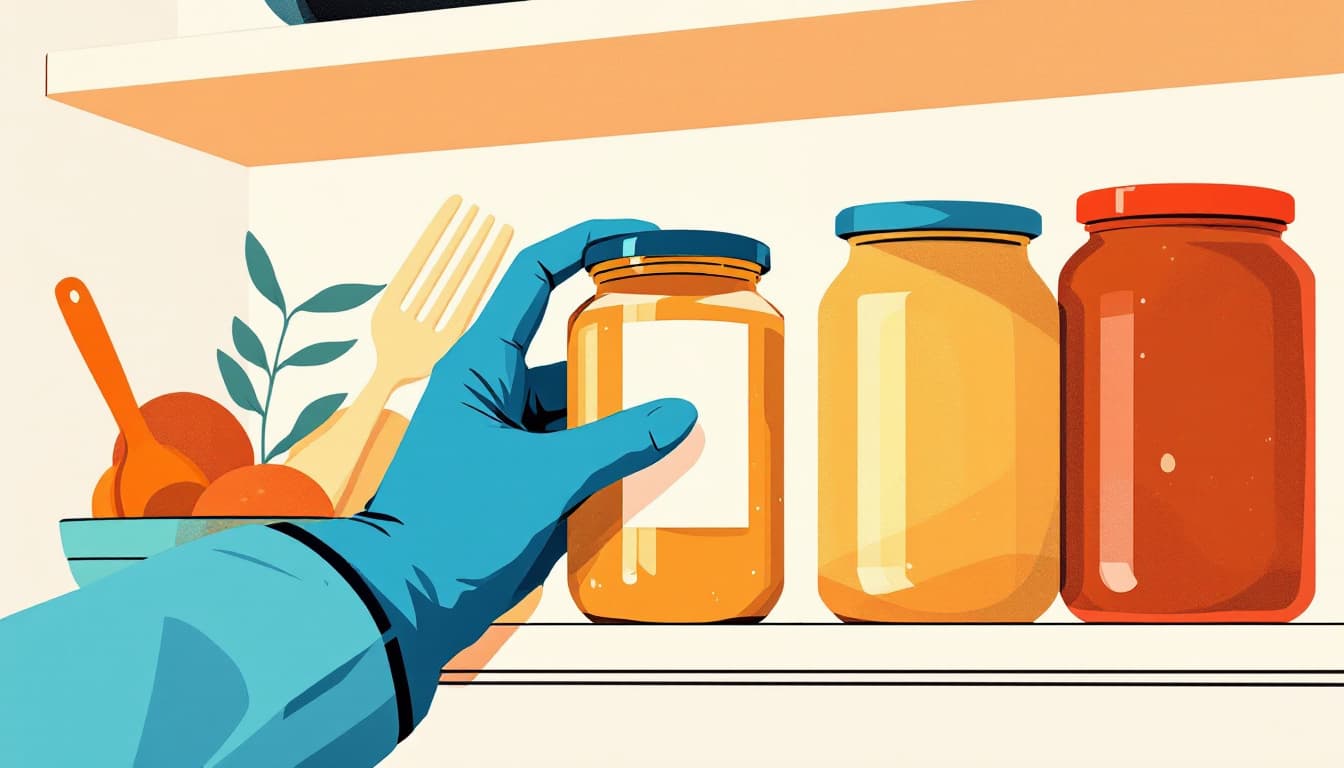
Pull everything that matches and photograph the label. If you find a matching product, don't open it. Put it in a sealed bag, photograph the label including the lot code and date, and hold it for return or disposal per the recall instructions. If someone in your household already consumed it, note the date and watch for symptoms for the incubation window the FDA specifies — that window varies by contaminant type.
Most people throw the product away immediately and lose their documentation. If you develop symptoms and need medical care, that photograph matters.
Sign up for FDA MedWatch and USDA recall email alerts. Both agencies offer free email notifications. This takes four minutes and means you stop depending on local news to surface recalls that affect your household. The Tennessee Department of Health also maintains a consumer alert page worth bookmarking at tn.gov/health.
This is the lowest-effort, highest-return preparedness action on this list. You don't need a subscription or a gear purchase.
Audit your emergency beverage storage. If you keep shelf-stable juice, electrolyte drinks, or specialty beverages in a go-bag or pantry reserve, check those too. Recalls can affect products you bought months ago. Lot numbers on recalled items often span a wide production window.
This is also a reasonable prompt to make sure your water storage is current. A seven-day supply of clean water per person — roughly one gallon per person per day — means a beverage recall never puts your household in a bind. Store it in food-grade containers, replace it annually, and keep it somewhere accessible in your home. For Tennessee families, late spring and summer bring tornado and severe weather risk alongside heat; potable water on hand covers more than one scenario.
The bigger picture
Recalls are a feature of the food safety system, not a sign it's broken. The FDA and USDA pull products when the monitoring works. The preparedness angle isn't fear of contamination — it's building the small habits that mean you respond in twenty minutes instead of two weeks.
A household that tracks recalls, stores clean water, and documents what it consumes is more durable than one waiting for the news to tell it what to worry about. That's the whole project.