A Globe and Mail report this month examined how Purolator, one of Canada's largest parcel carriers, has been restructuring its operations in response to sustained supply-chain disruption. The framing was corporate: leadership lessons, transformation strategy, organizational change. The household angle was left on the table.
Here it is.
What's actually changing
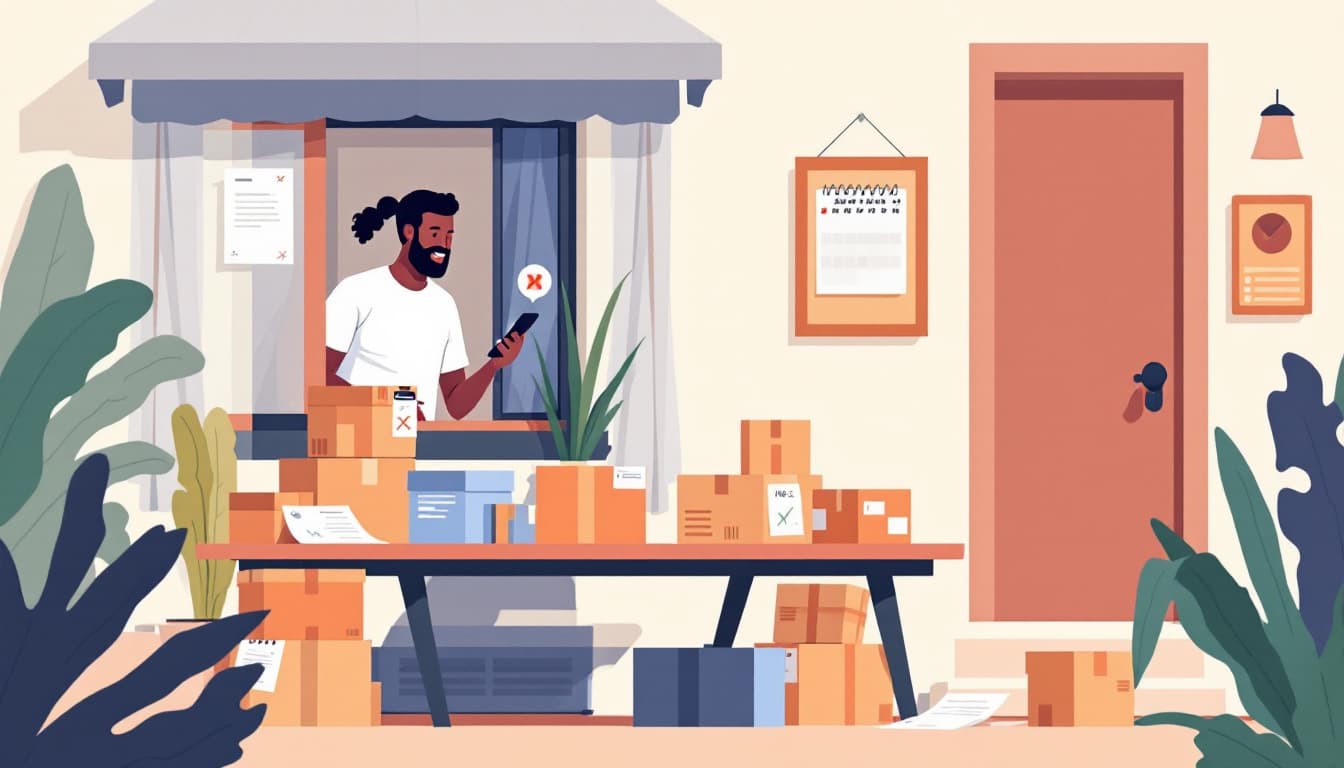
Large logistics networks don't restructure quietly. When a carrier the size of Purolator reroutes hubs, renegotiates contracts, and retools its last-mile delivery model, the ripple effects show up as slower delivery windows, higher shipping minimums passed to retailers, and thinner inventory buffers at the store level. None of that is catastrophic. All of it is cumulative.
The pattern fits a broader shift. Since 2020, North American logistics has been in a sustained reorganization: labor costs up, fuel costs volatile, cross-border customs rules tightening, and the e-commerce volume that carriers built capacity for in 2021 now lumpy and harder to forecast. Carriers are adapting. That adaptation has a cost, and the cost doesn't stay inside the warehouse.
For households, the practical result is a supply environment that is less predictable than it was five years ago, even when it looks normal on the surface. Shelves are stocked — until a specific SKU isn't. Delivery arrives in two days — until it takes nine. A medication ships from a Canadian fulfillment center — until it doesn't. These aren't signs of collapse. They're signs of a system running with less slack than it used to.
Running with less slack means your household needs to carry more of that slack itself.
What we'd actually do
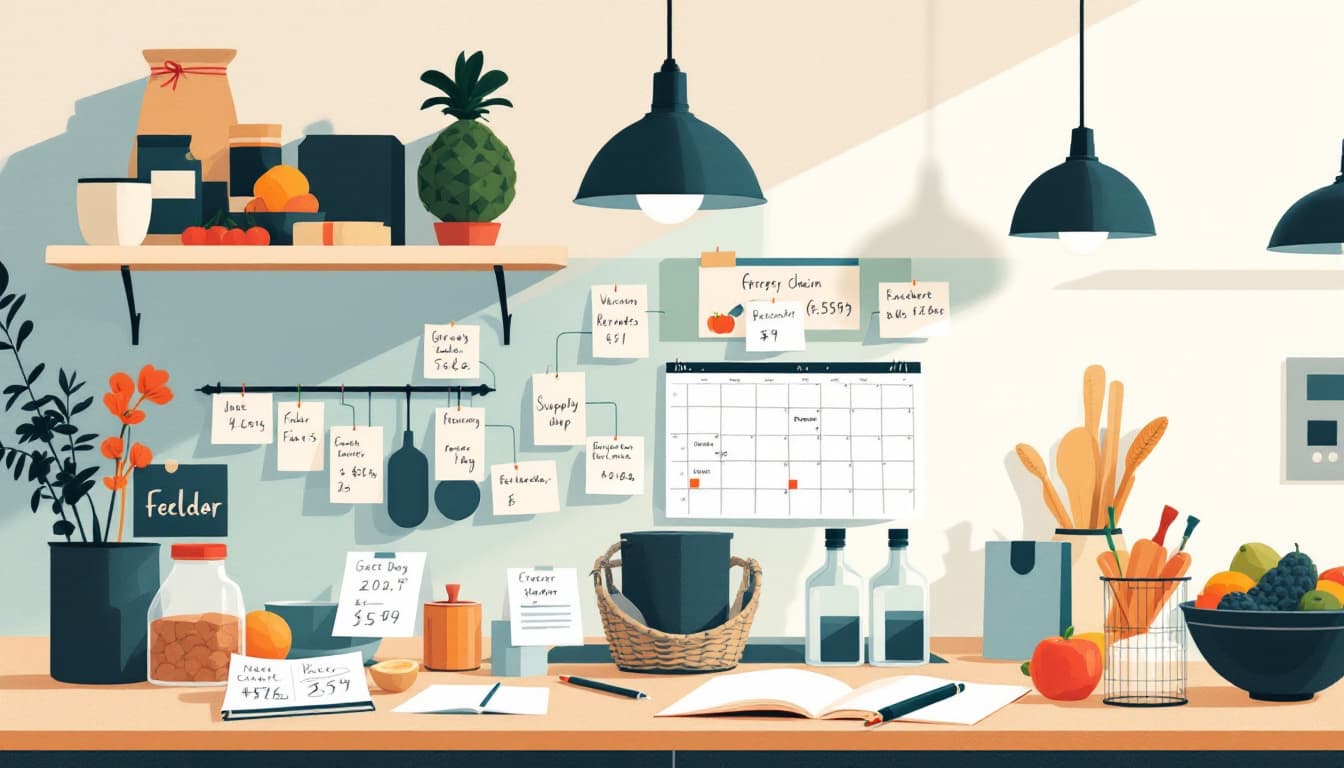
Audit your single-source dependencies. Pick one category your household relies on — medication refills, a specific baby formula, a pet food, a type of filter or part for something you run — and map where it comes from. If the answer is "one retailer, one fulfillment region, one carrier," that's a gap. Spend thirty minutes identifying one alternate source before you need it.
A supply chain disruption rarely affects all retailers simultaneously. But it often affects the one you've been defaulting to. Knowing your backup before the shortage is the entire difference between a minor inconvenience and a bad week. This isn't about hoarding — it's about maintaining optionality.
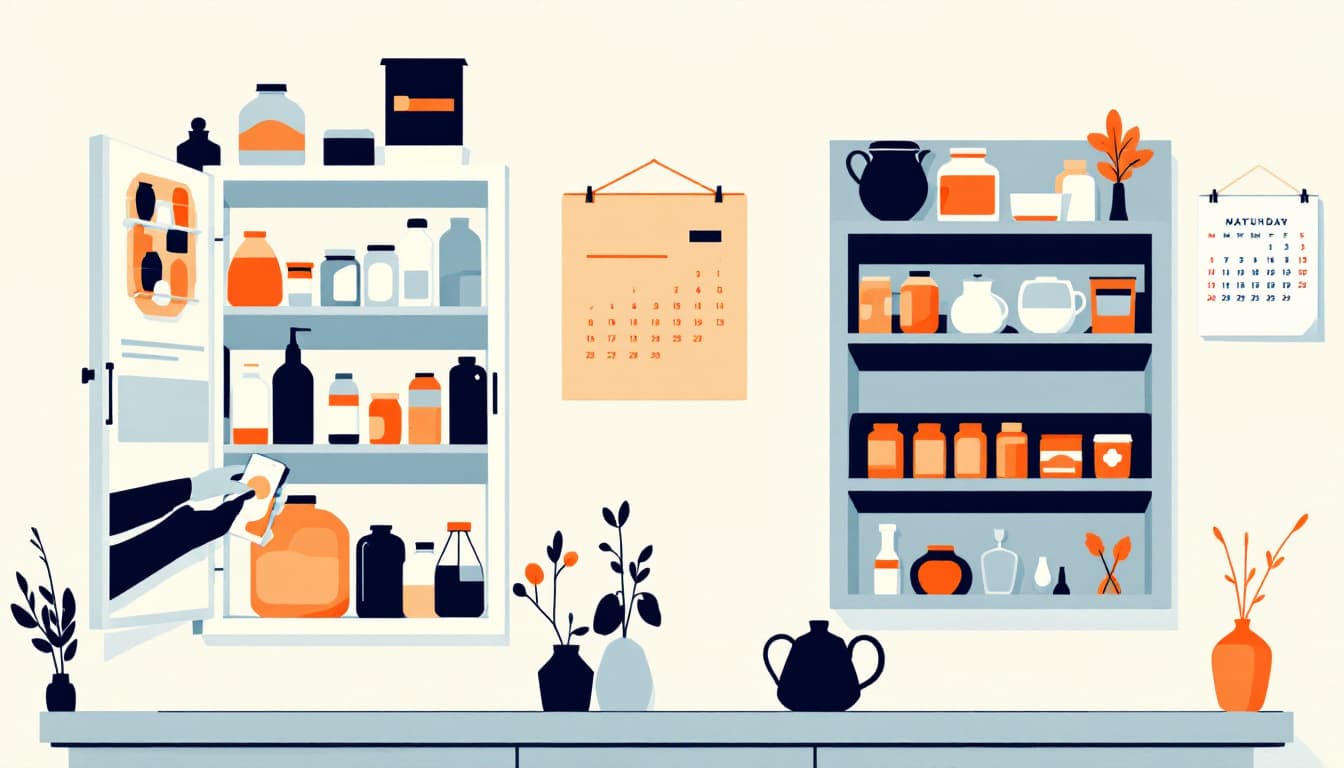
Add two to three weeks of depth on anything with a long reorder window. Prescription medications with mail-order refills, specialty grocery items, and anything that ships from a single regional warehouse qualify. The goal isn't a bunker; it's a buffer. If a disruption lasts ten days, a fourteen-day supply keeps you out of the scramble entirely.
Reframe this as a pantry discipline rather than a prepper habit. You rotate stock. You don't stockpile indefinitely. The ceiling is six weeks for most categories; beyond that you're managing spoilage risk, not supply risk.
Stop assuming the two-day delivery window is load-bearing. If your household has structured its routine around just-in-time online delivery — ordering something the day before you need it — you're outsourcing your buffer to a logistics network that is, by the Globe and Mail's own account, in active structural transition. Build a one-week minimum gap between when you reorder and when you actually need the item.
This is a behavioral shift, not a purchase. It requires only that you reorder a week earlier than feels necessary, which quickly becomes habit.
Check your local options once. Not obsessively, just once. Know which grocery stores, pharmacies, and hardware stores within walking or biking distance carry your essentials. That knowledge has a shelf life of about a year — stores change their stock — so a quick annual check is enough. But having it means you're not Googling while panicked.
The bigger picture
Purolator restructuring isn't a crisis signal. It's a maintenance signal: the logistics infrastructure that North American households depend on is doing ongoing, sometimes disruptive adaptation work. That work will continue. The carriers that survive will be more resilient. The period of transition will be uneven.
Households that run tight — no buffer, no redundancy, total dependence on next-day delivery and full-shelf availability — feel every bump in that transition. Households that carry a modest reserve and know their local fallbacks largely don't notice.
Durability doesn't require a bunker. It requires a few weeks of depth and a list of backup options you made before you needed them.