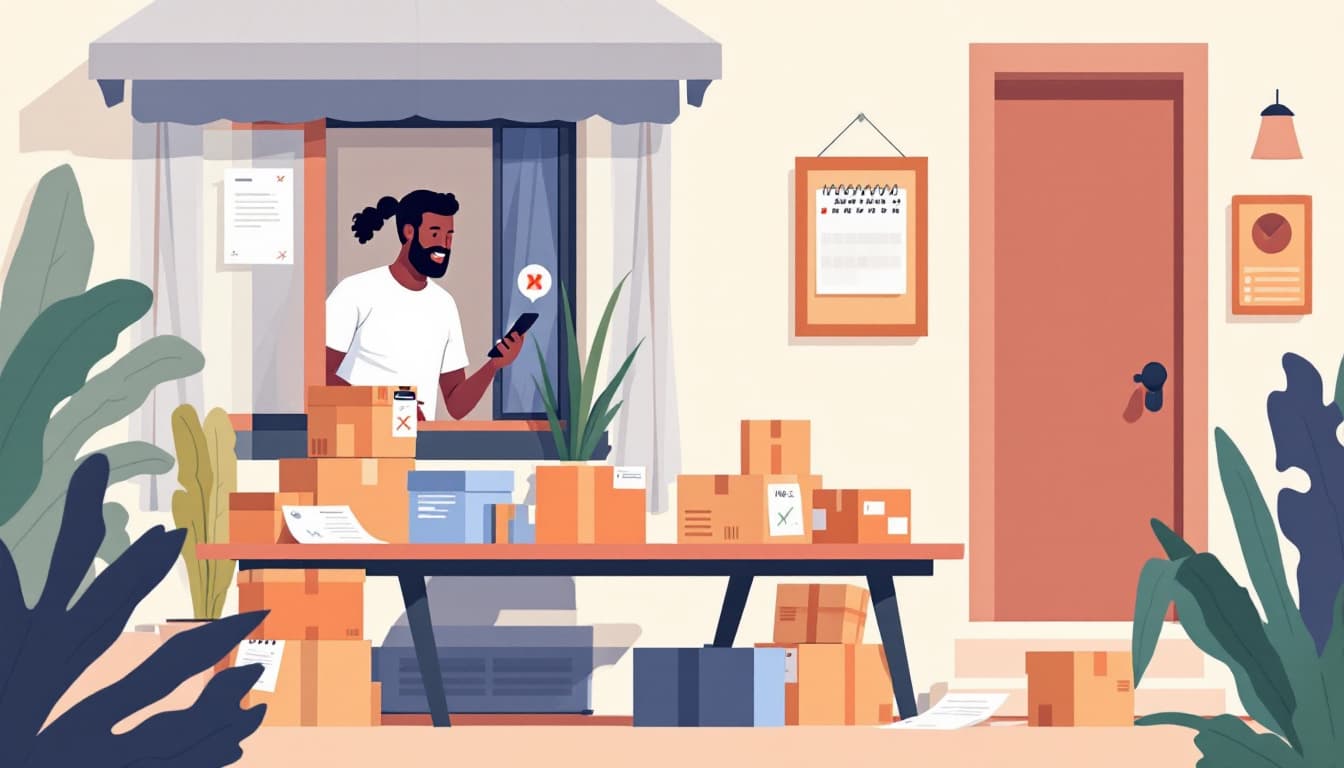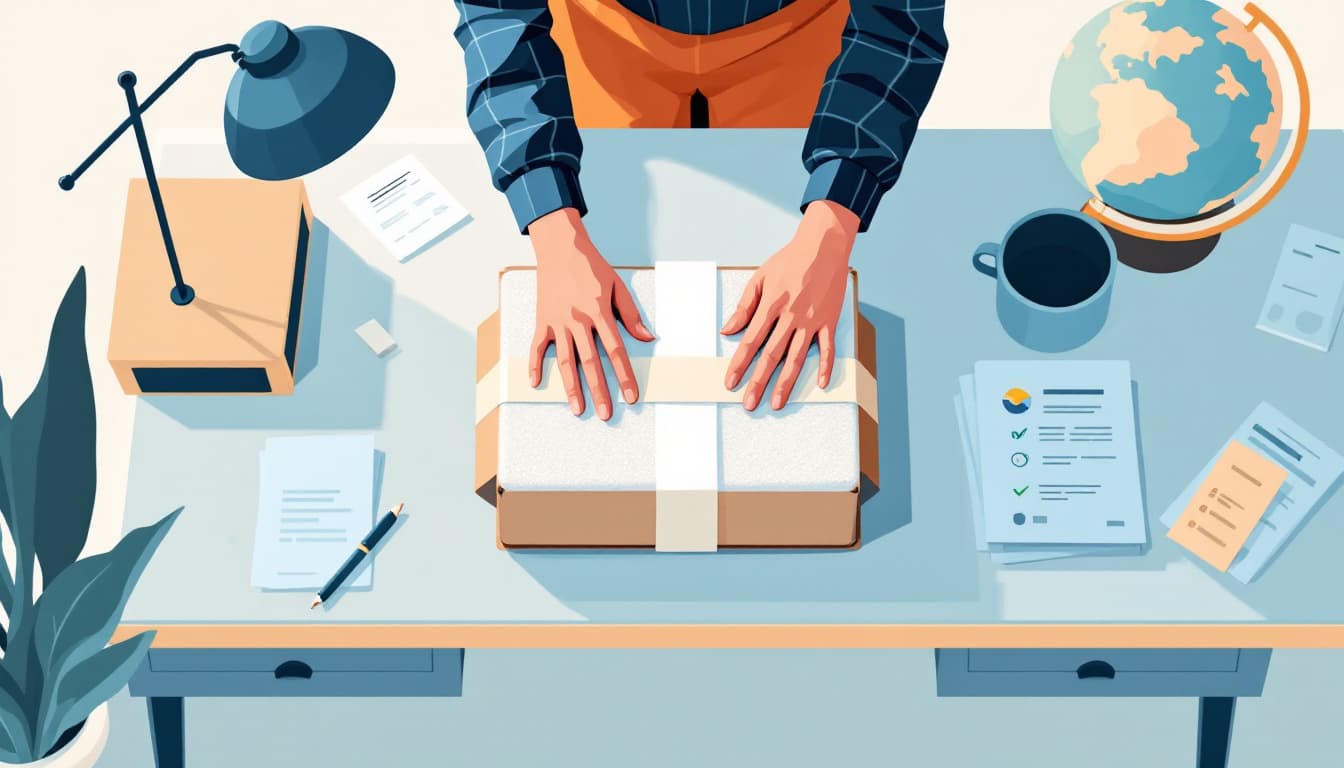
A post circulating on Hacker News this week followed one person's attempt to ship a single laptop to a refugee camp in Uganda. The journey — customs holds, informal courier networks, cash-only payment rails, carrier refusals, duty traps — took months and multiple workarounds to resolve. The writer wasn't trying to move contraband. They were trying to move a laptop.
Read it as a curiosity about bureaucracy, and it's mildly amusing. Read it as a stress test of the global logistics system, and it's clarifying.
What's actually happening here
The story isn't about Uganda specifically. It's about what happens when the invisible scaffolding of normal commerce — reliable carriers, predictable customs rules, card-based payment systems, insured last-mile delivery — goes away. What remains is slow, expensive, relationship-dependent, and uncertain.
That scaffolding feels permanent until it isn't. A port strike, a regional conflict, an acute currency crisis, a pandemic-era carrier pullback: any of these can recreate Uganda-camp-level logistics friction in places that don't expect it. During the early months of COVID-19, U.S. households discovered that N95 masks, certain medications, and basic electronics had routing and availability problems that looked structurally similar to what the Hacker News post describes: long delays, informal workarounds, price spikes, and no clear timeline for resolution.
The household-level lesson isn't "the grid is fragile, panic." It's narrower and more useful: the things you cannot easily replace once logistics seize up are the things worth holding on hand now, when getting them is boring and cheap.
For most middle-class families, those things fall into three categories: communications hardware, medical supplies, and payment flexibility.
What we'd actually do
Treat your current working laptop, router, and phone as long-lead-time items — because they now are.
Supply chains for consumer electronics have tightened and regionalized since 2020. A recent wave of tariff adjustments has pushed landed costs higher on devices assembled in certain regions. If a key household device fails during a period of logistics disruption, a replacement may take weeks, cost significantly more, or simply be unavailable at your preferred price point. This doesn't mean buying spares of everything. It means extending the life of working devices, keeping a basic refurbished backup laptop ($80-150 on eBay for a functional Chromebook or ThinkPad), and not waiting until failure to plan replacement.
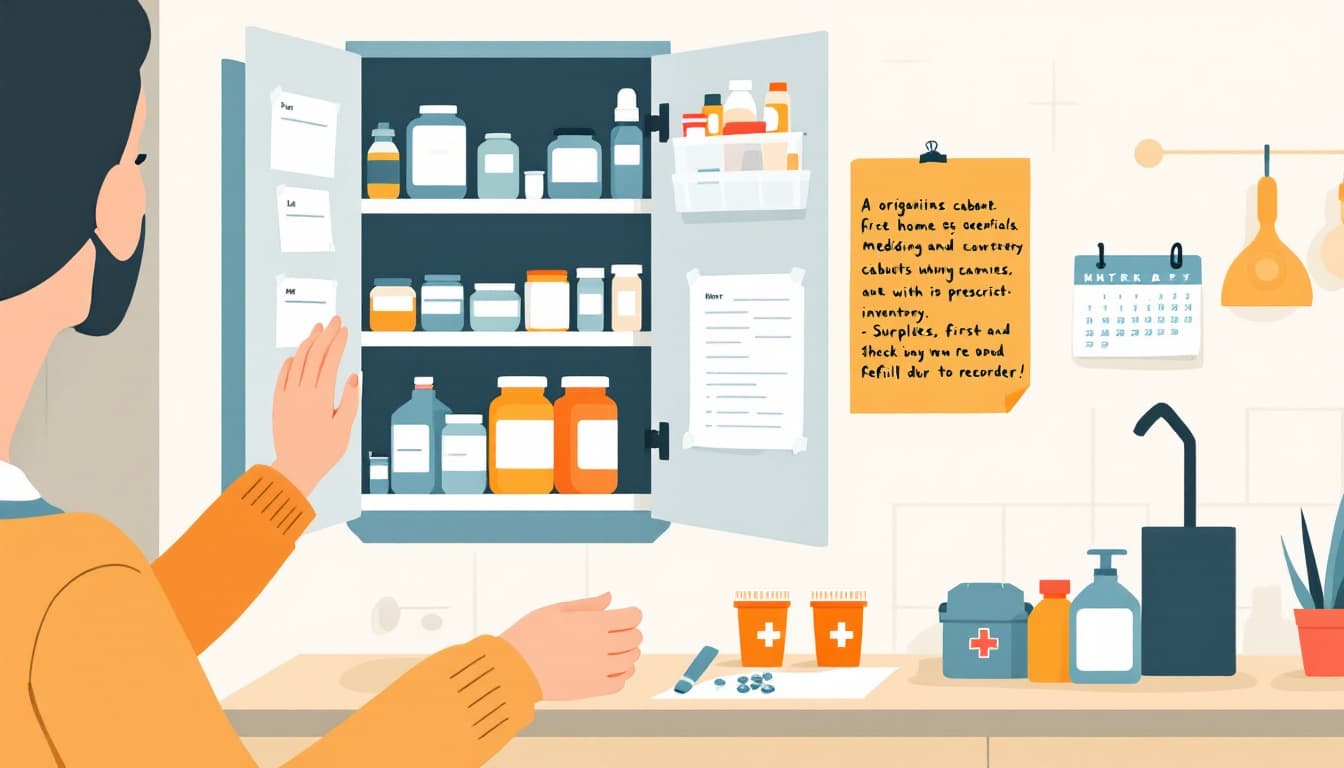
Know which of your regular medications or medical supplies have long or opaque supply chains.
The FDA's drug shortage list has carried between 100 and 200 active shortages in recent years. If you take a maintenance medication, ask your pharmacist where it's manufactured and whether there have been recent allocation issues. A 30-to-60-day supply buffer, where your insurance and physician allow it, is the single highest-value medical preparedness step most families haven't taken.
Hold some payment flexibility outside the digital card system.
The Hacker News post describes a moment where the only thing that moved the laptop forward was cash in hand, locally. Your household probably won't face that exact scenario, but payment systems do experience outages, freezes, and regional failures. A modest cash reserve — $200 to $400, kept at home in small bills — covers the gap between a card system going down and it coming back up. This isn't prepper fantasy; it's the same advice the Federal Reserve has quietly offered for years.
Map your single points of failure for communications.
If your home internet goes down for five days, what's your plan? Most families have a phone with a data plan, which is usually sufficient. But know the answer before you need it: which family member has the most data, which library or community center has reliable wifi, whether your carrier has a hotspot option you haven't activated. The Hacker News story is partly about how a broken communications infrastructure forces improvisation. Improvisation works better when you've sketched the map in advance.
The bigger picture
The global logistics system is genuinely impressive, and it works the vast majority of the time. The Hacker News story is unusual precisely because it's unusual. But "unusual" is doing more work than it used to. The number of supply-chain disruption events per year has risen across shipping, semiconductors, and pharmaceuticals, and the recovery times have lengthened.
The goal isn't to build a bunker. It's to reduce the number of things your household depends on arriving tomorrow. A family that can go 60 days without a pharmacy run, has a working backup device, and holds a small cash reserve is not a prepper household. It's just a durable one.