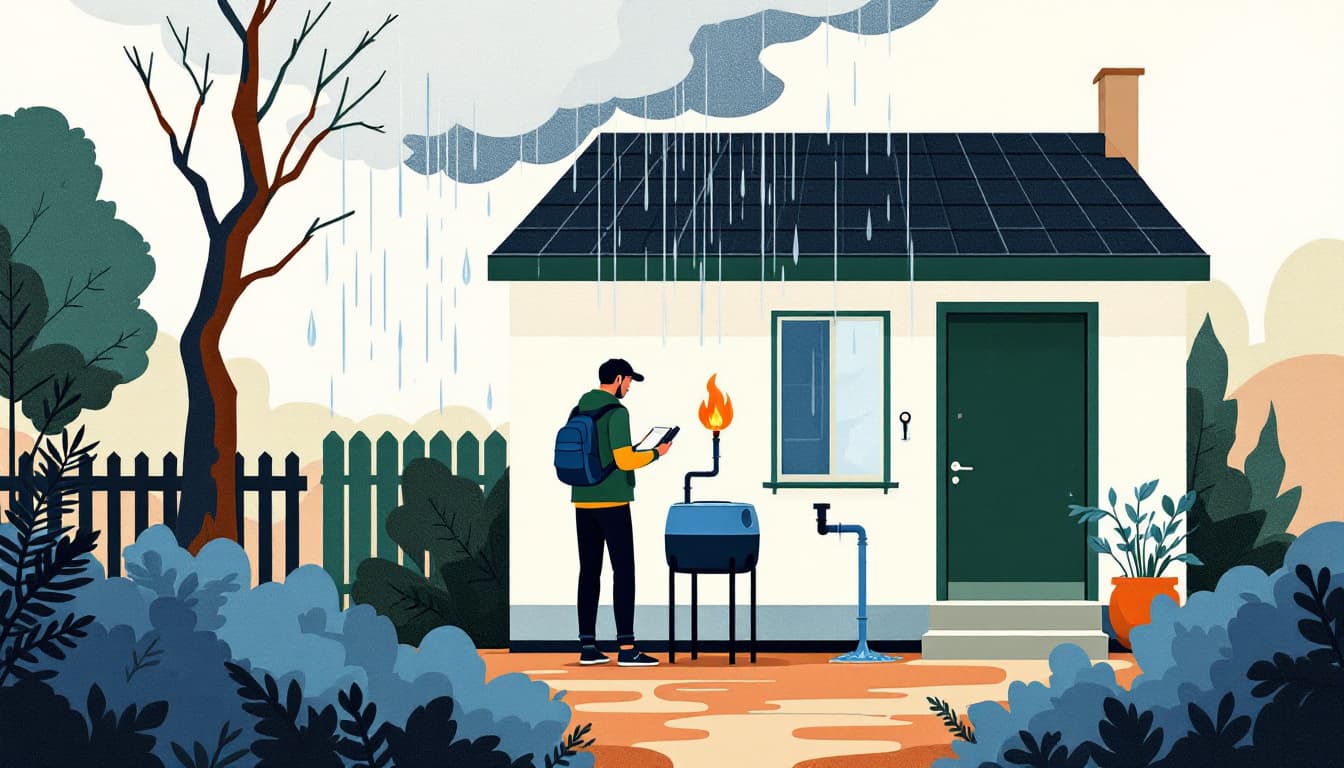
A water well in western South Dakota is pulling up less water than it was in May. A rancher is hauling water by truck. A municipal system two counties over has issued a voluntary conservation notice. None of this makes national news. All of it matters.
A report this week from kotaradio.com confirmed that drought conditions are persisting across parts of South Dakota — part of a broader pattern the U.S. Drought Monitor has been tracking across the northern Plains and western states throughout this summer. The story is framed, reasonably, as an agricultural concern. But the household-level implications run wider than farm yield estimates.
What's actually changing
Drought in the northern Plains is not new. What's different in recent years is the frequency of consecutive dry seasons, which limits groundwater recharge. Aquifers that used to recover over a mild winter are staying low. When surface water drops and groundwater doesn't recover, rural well-dependent households feel it first — but municipal systems that draw from reservoirs and river intakes feel it within one to two seasons.
The connection to your grocery bill is more direct than most people realize. South Dakota is a significant producer of corn, soybeans, sunflowers, and beef cattle. When feed costs rise because pasture dries out, ranchers cull herds rather than pay to feed animals through a dry fall. That near-term cull pushes beef prices down briefly, then up sharply six to eighteen months later when the herd is smaller. USDA cattle inventory data has shown this cycle play out after previous regional droughts. If you eat beef, that cycle is already running.
The water story is slower but more structural. Drought stress on municipal systems leads to rate increases, infrastructure strain, and — in smaller communities — emergency declarations that restrict use. Households on private wells face repair and deepening costs that can run into the thousands with little warning.
This is not a South Dakota-only story. The northern Plains drought is contiguous with dry conditions reported across parts of the Mountain West this summer. It's a regional signal, not an isolated event.
What we'd actually do
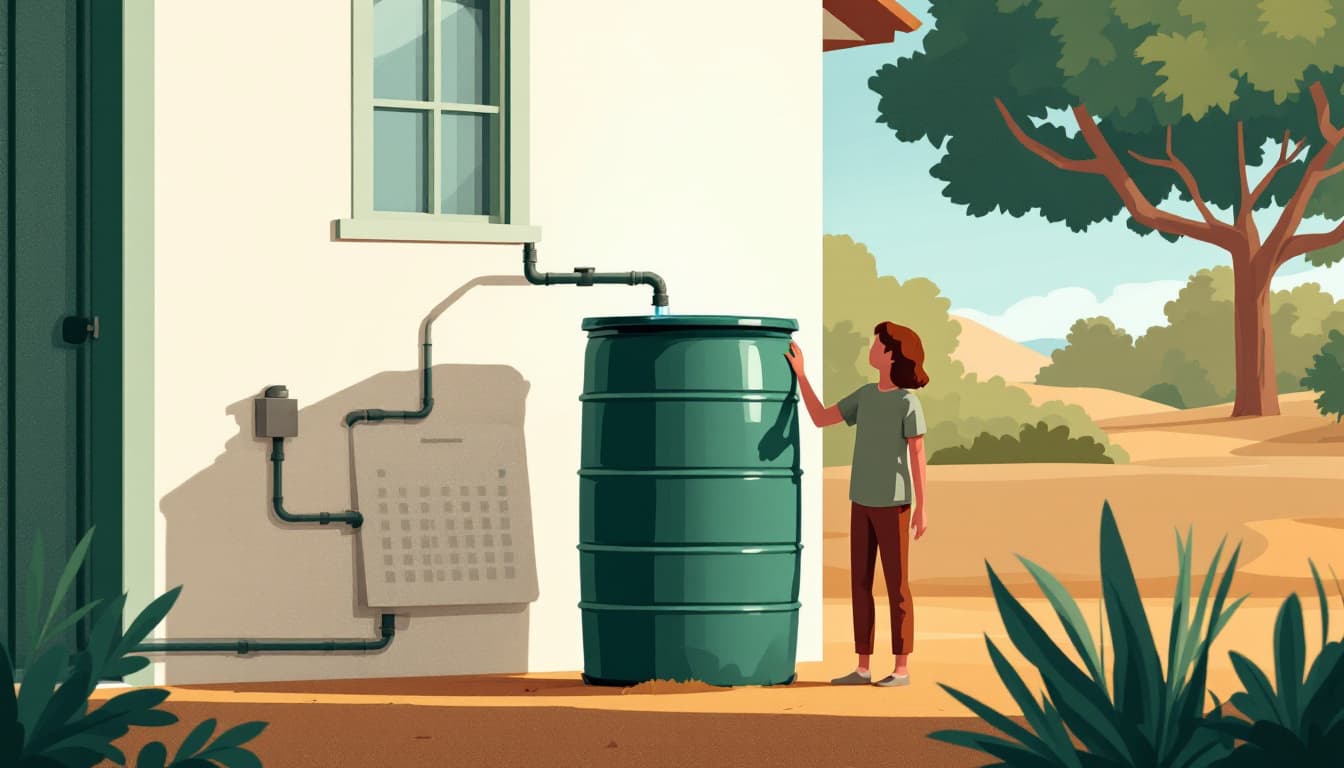
Audit your water storage before late summer ends. Start with a simple count: how many gallons of potable water could your household access if your tap ran dry or was restricted for 72 hours? FEMA's baseline recommendation is one gallon per person per day. For a family of four, that's twelve gallons for three days — a low floor, not a target ceiling. Aim for two weeks at that rate. Seven-gallon stackable containers cost roughly $10–15 each and store under a bed or in a closet.
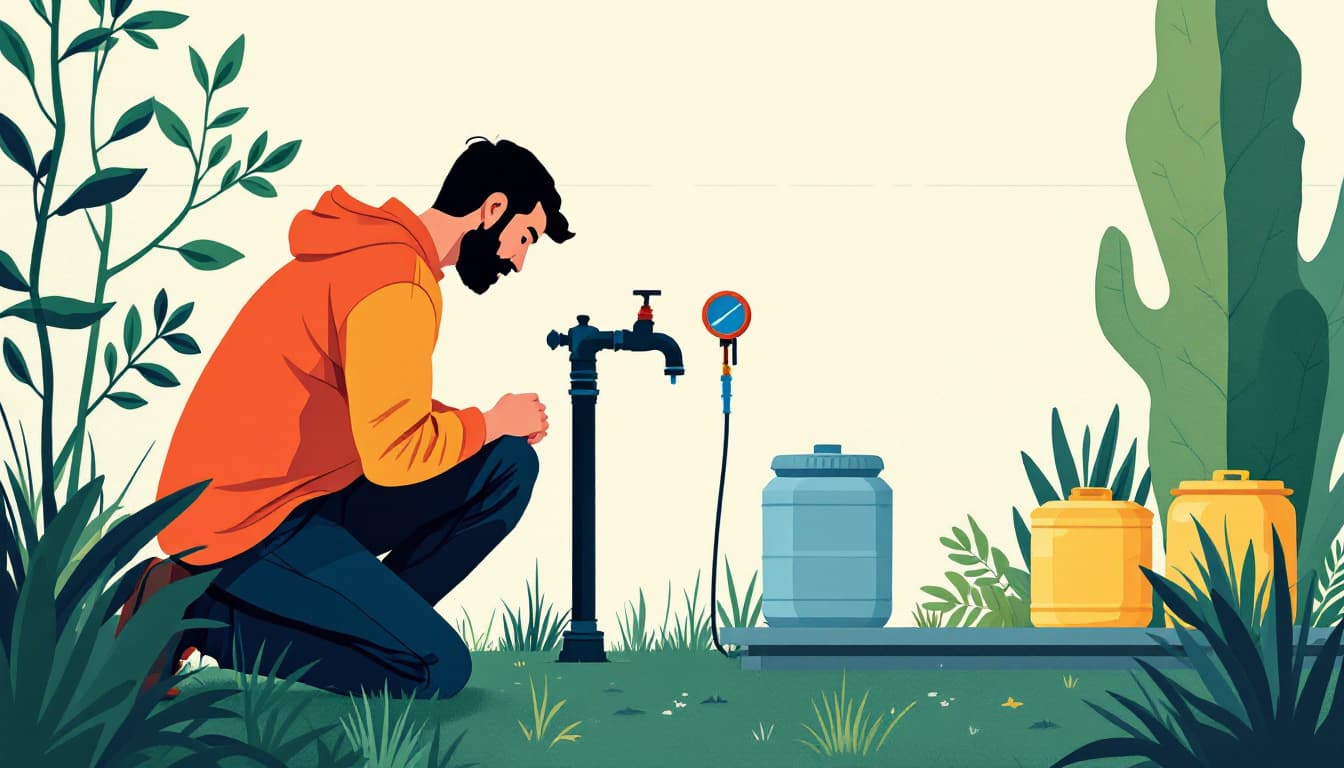
If you're on a private well, get a water test and a yield test this season. Many homeowners haven't tested their well since they moved in. A basic potability test runs $30–100 through a certified lab; your county extension office often lists subsidized options. A yield test — how many gallons per minute the well produces — tells you whether you're drawing close to your aquifer's current capacity. If you're in a drought-stressed area, this is cheaper than an emergency deepening.
Buy a case of canned beef or freeze one month's worth now. This isn't panic buying — it's timing. Beef prices at retail tend to lag the cattle cull cycle by several months. If regional herd liquidation is happening now, the retail price spike arrives later. Stocking three to four weeks of your household's normal beef consumption at current prices is a straightforward hedge, not stockpiling.
Know your municipality's drought stage triggers. Most water utilities that have drought response plans publish them online. Stage 1 typically means voluntary cuts; Stage 3 often means restrictions on outdoor watering, car washing, and sometimes laundry frequency. Knowing where your utility sits on that scale — and what Stage 2 looks like — lets you adjust before a notice arrives.
Plant a note in your calendar for February to check cattle and feed grain futures. Not to trade them — to read them as a leading indicator of food costs in the spring. The USDA's World Agricultural Supply and Demand Estimates (WASDE) report comes out monthly and is free. One read per quarter takes twenty minutes and gives you more signal than most financial news.
The bigger picture
Drought conditions in South Dakota are not a catastrophe for most American households. They are, however, a rehearsal. The infrastructure that delivers clean water and affordable food to your kitchen operates within margins that are thinner than they appear. Regional stress — a dry season in the northern Plains, a pipeline outage, a processing plant closure — doesn't stay regional for long.
Durable households aren't the ones with the most gear. They're the ones who read regional signals early, make small adjustments while adjustments are cheap, and don't need a crisis to prompt action. A case of canned goods and a water test aren't bunker-building. They're maintenance.