A recent piece in CEOWORLD magazine laid out how large companies are deploying real-time supply chain visibility platforms to anticipate disruptions before they hit the loading dock. The tools map supplier locations, flag single-source dependencies, and alert procurement teams when a port delay or materials shortage is three tiers upstream. The insight is useful. The audience is wrong — or at least incomplete.
The same logic applies to a family of four in Columbus or Sacramento. The difference is that your "procurement team" is whoever does the grocery run, and your "visibility platform" is whatever you can remember off the top of your head standing in a Costco aisle.
What's actually changing
The headline problem isn't any single disruption. It's that supply chains have gotten structurally thinner. Pandemic-era lean-inventory strategies were partially reversed, but not fully. Port congestion, weather events, and shifting trade routes continue to compress the window between "a factory goes offline somewhere" and "this item is out of stock near you."
Recent BLS data on grocery price volatility shows that certain categories — shelf-stable proteins, cooking oils, infant formula — still spike faster and recover slower than the overall food index. That's a signal, not a scare.
What the corporate world figured out is that visibility is the asset. Knowing what you have, where it came from, and how long it lasts is what separates a company that weathers a disruption from one that shuts a production line. Households have never systematically applied this thinking to their own pantries.
The CEOWORLD piece frames this as a logistics optimization story. At the household level, it's a financial resilience story. Buying something at this week's price that you'll need in four months isn't hoarding. It's what any competent procurement manager would call forward purchasing.
What we'd actually do
Audit your single-source dependencies before a disruption makes them obvious. Walk your pantry and make a list of items you use weekly that come from only one or two brands, or that you've had trouble finding more than twice in the past year. Cooking oils, certain medications, specific infant or pet foods, and specialty dietary items are the usual culprits. For each one, identify a substitute or a second-source brand now, while the stakes are low.
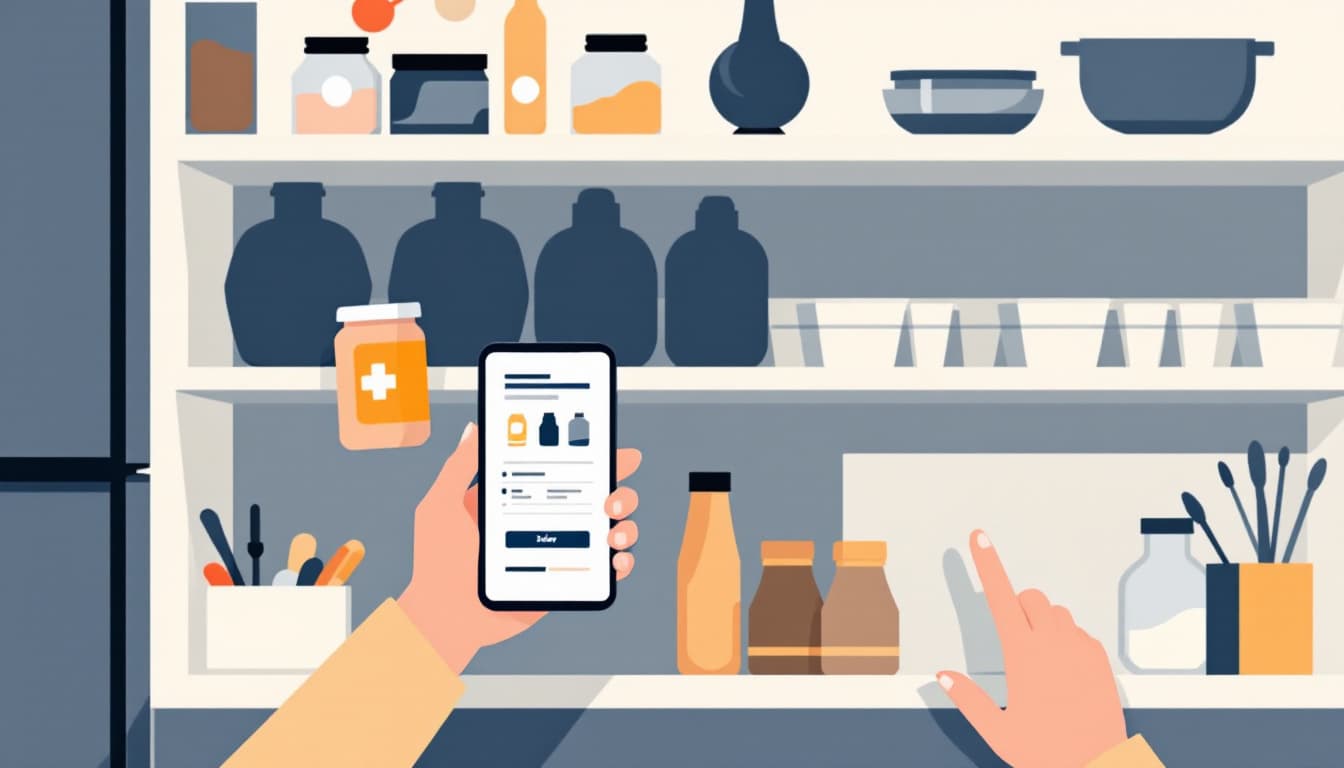
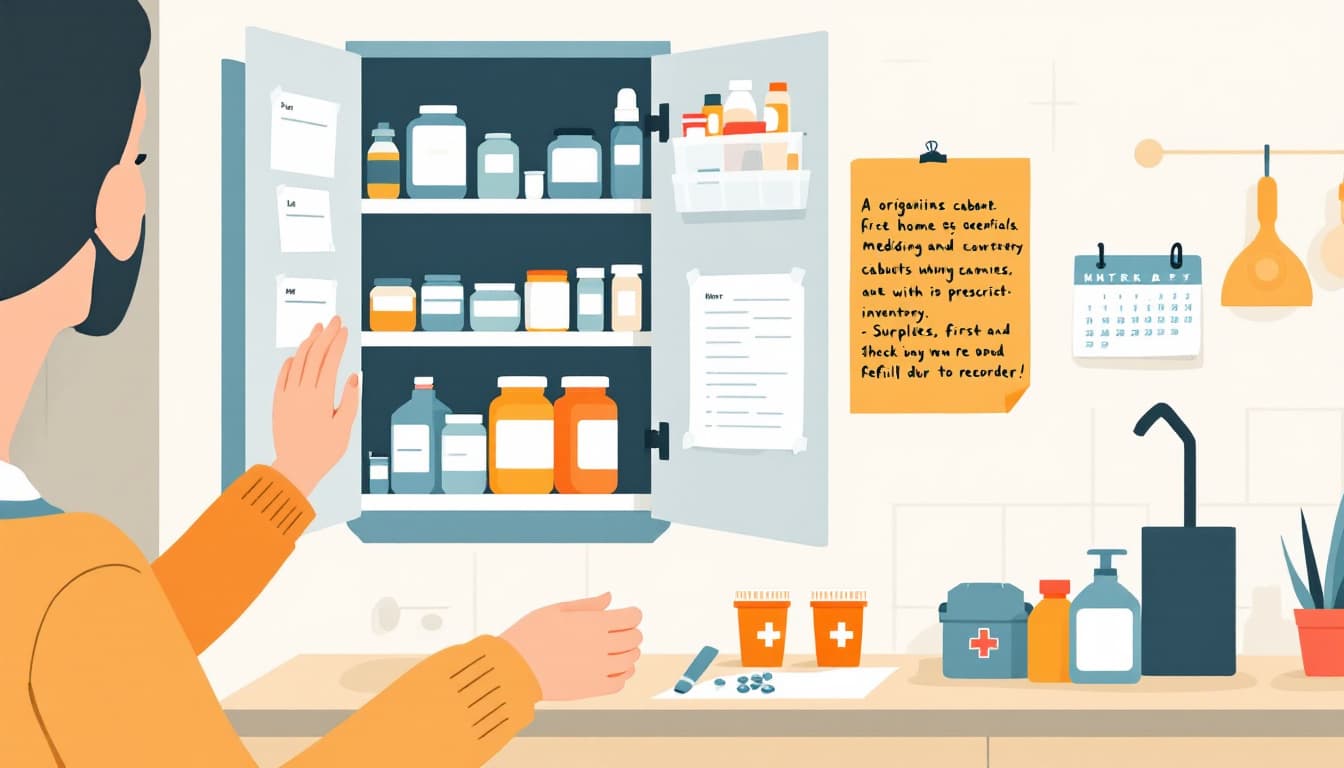
Build a simple household inventory log — nothing fancy. A shared note on your phone or a taped paper list inside a cabinet door works. Track what you have, roughly how much, and when you opened it. This sounds tedious; it takes about four minutes a month once established. The goal isn't to become a prepper with a spreadsheet. It's to stop making panic purchases after you've already run out of something.
Apply a 30-day buffer to your five highest-use staples. Pick five: dried pasta, canned beans, rice, olive oil, whatever your household actually cycles through. Keep a second unit of each in reserve. Rotate by using the oldest first. This costs roughly one extra grocery trip's worth of spending, spread over a month or two, and it quietly removes the most common household supply failure mode.
Watch your category, not the headlines. Rather than monitoring geopolitical news for supply chain signals, track one or two product categories you actually depend on. If the price of the cooking oil you buy has moved up 20% over three months, that's more useful information than a cable news segment about shipping lanes.
The bigger picture
What corporations are buying expensive software to do — see what they have, understand where it comes from, anticipate gaps before they're emergencies — is something households can replicate with a notepad and fifteen minutes. The supply chain story of the last several years isn't a crisis you prepare for once and then forget. It's a new baseline condition where thin inventories, volatile prices, and occasional regional shortages are simply the operating environment.
Durability isn't about stockpiling for collapse. It's about not being the family making a panicked trip to three stores because you didn't know you were out of something until you needed it.