A reservoir being drained on purpose, in the middle of summer, is not a normal headline. A report this week from The Salt Lake Tribune describes Pineview Reservoir — a popular recreation destination northeast of Ogden, Utah — being drawn down so far that boaters will be out of luck before Labor Day. The reason given is infrastructure work. But the timing, the location, and the regional water context make this worth thinking about beyond weekend recreation plans.
What's actually changing
Pineview sits in the Ogden River watershed, which feeds municipal water to parts of Weber and Davis counties. When a reservoir gets drained for maintenance, it's often because managers have a window — snowpack was thin, demand is up, and the water that would normally keep the pool high is already spoken for downstream. You don't drain a full reservoir if you can avoid it.
This is the pattern across the interior West: water managers are making harder tradeoffs between storage, delivery, ecological flow, and aging infrastructure repair. Those tradeoffs used to be invisible to most households. They're becoming visible in the form of recreation closures, irrigation restrictions, and, in some communities, direct pressure on municipal supply.
Pineview itself is not a drinking-water crisis story. But it is a signal story. Reservoirs in the Colorado River Basin have spent the better part of the last five years cycling between partial recovery and renewed decline. Recent federal data from the Bureau of Reclamation shows Lake Powell and Lake Mead still operating well below historical median levels. Utah sits at the headwaters of a system under chronic stress.
For families in the Wasatch Front and similar western communities, the question isn't whether your tap works today. It's whether your household has thought through what happens when water agencies — already managing margins — face a bad snow year, an extended heat dome, or an infrastructure failure that pulls a reservoir offline longer than planned.
What we'd actually do
Know your water source and who manages it. Call your municipal utility or look up your water utility's annual Consumer Confidence Report — they're required to publish one. Find out what percentage of your supply comes from surface water versus groundwater, and whether your utility has interconnects with neighboring systems. A utility drawing entirely from one reservoir has less redundancy than one with multiple sources.
Most households have no idea where their water comes from. Your CCR names the sources. If Pineview or a similar reservoir is one of them, you now know the single point of failure worth watching. Sign up for your utility's alert emails — most offer them and almost no one subscribes.
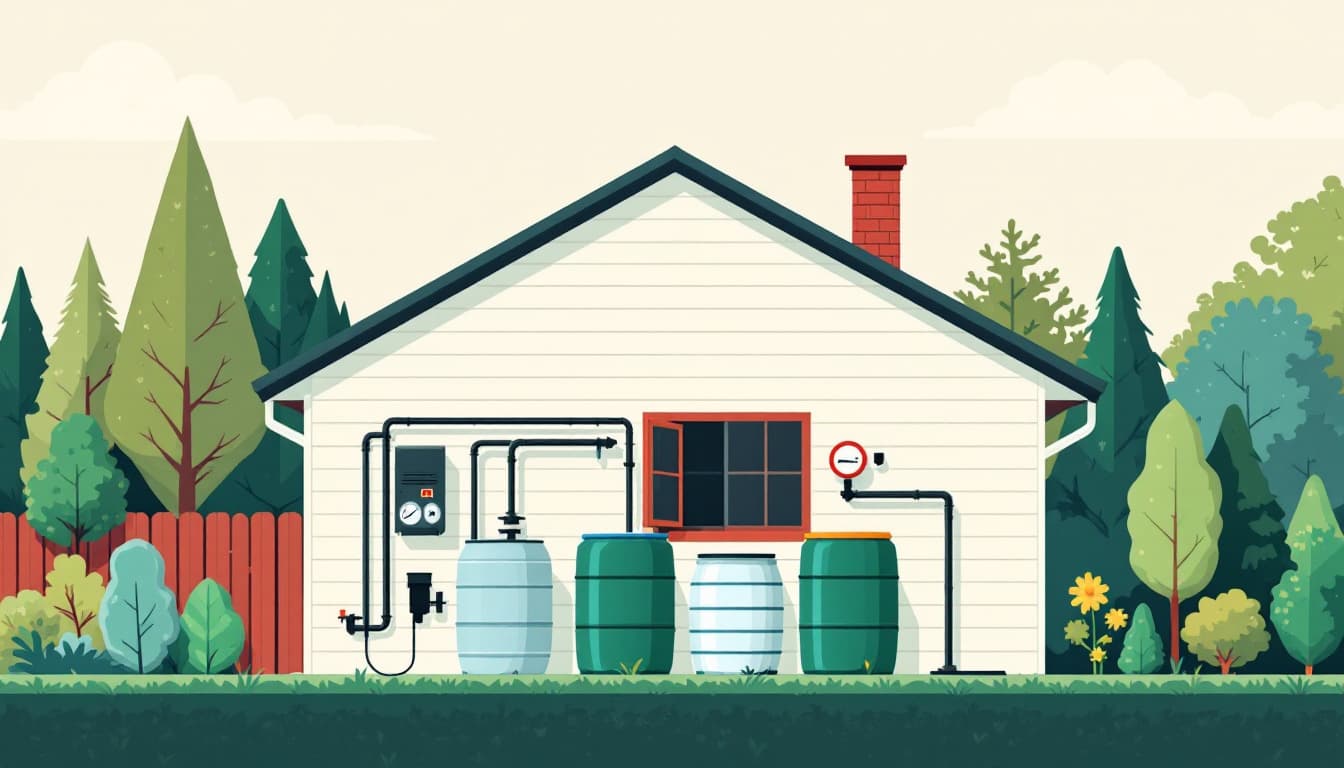
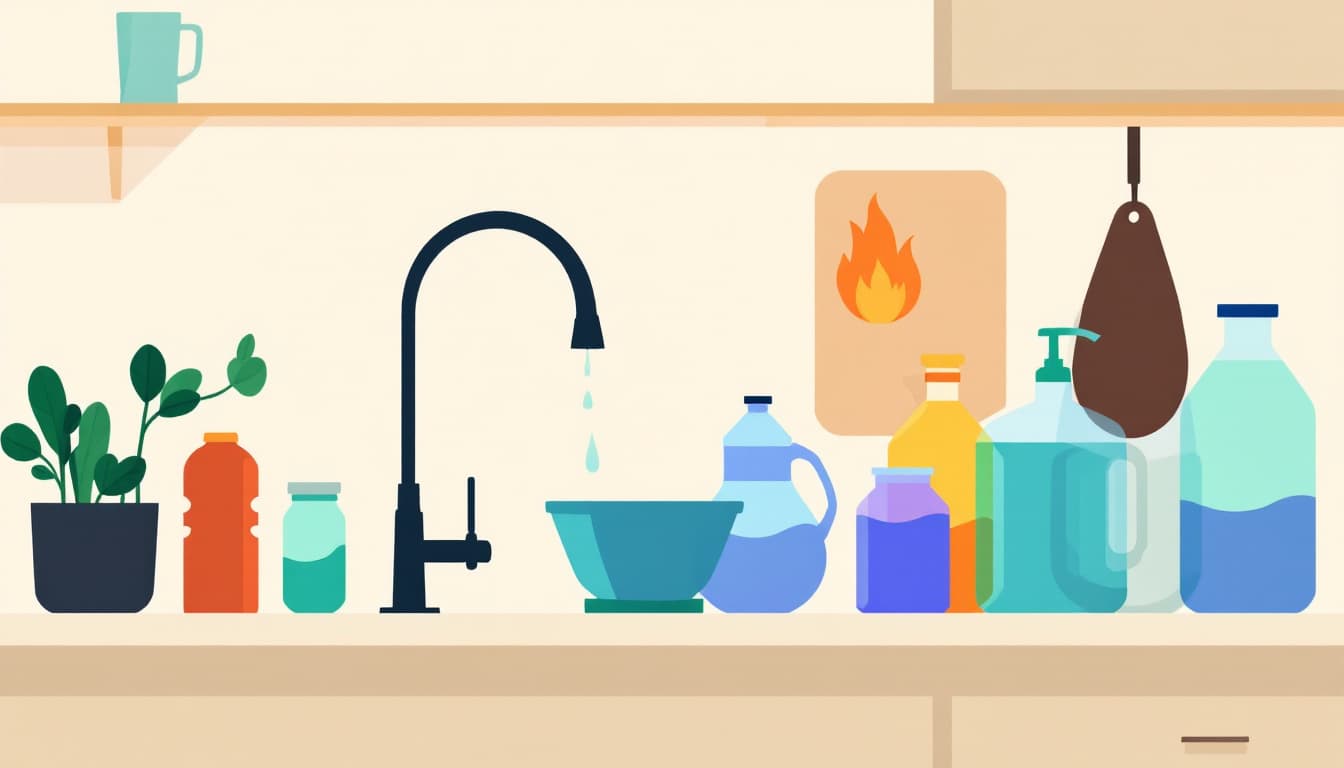
Store more water than you think you need, and rotate it. FEMA's guidance of one gallon per person per day is a floor for short emergencies, not a plan for a multi-week supply disruption. A family of four needs at minimum a two-week supply — 56 gallons — stored in food-grade containers and rotated every six to twelve months. That's roughly $40 in stackable 5-gallon jugs from a hardware store. A quality gravity filter like a Berkey or a Sawyer Squeeze extends the utility of any stored or sourced water significantly.
Learn your outdoor water use numbers. In most western households, outdoor irrigation accounts for 50 to 70 percent of total summer water use, according to EPA WaterSense data. If your utility imposes restrictions — tiered pricing, day-of-week watering limits, or outright outdoor bans — your indoor supply stays stable but your lawn and garden don't. Knowing this in advance lets you make deliberate choices: drip irrigation, drought-tolerant planting, or accepting a brown lawn rather than being surprised by a $400 overage bill.
Have a non-tap backup for short outages. A water outage from infrastructure work, a main break, or a boil-water advisory can last hours to days. Stored water covers this. So does a filled bathtub (get a WaterBOB bladder if you want a clean option — they cost about $30 and hold 100 gallons). This is not a doomsday item. It's a sensible hedge for the kind of disruption that happens every year in every city.
The bigger picture
The reservoir story is not really about boats. It's about the gap between the water system we inherited and the climate conditions we're operating in. That gap is being managed — utilities are capable, engineers are working, and dramatic failure is not the likely outcome. But "managed" is not the same as "comfortable," and the margin for error is thinner than it was a generation ago.
The goal here isn't to stockpile your way to self-sufficiency. It's to make your household slightly less dependent on everything going right at the same time. Water is the place to start because it's the most immediate dependency most families never examine.