A report this month from Colorado Politics lays out a collision that water managers have been watching for decades: the Colorado River is legally obligated to deliver more water than it actually holds, and a record drought is making that gap impossible to paper over. The river supplies water to cities from Denver to Los Angeles, irrigates a significant share of U.S. winter vegetables, and feeds hydropower turbines that keep the lights on across the Southwest.
The overallocation problem is not new. The 1922 Colorado River Compact divided the river based on flow estimates that turned out to be optimistic, and climate-driven aridification has been shrinking average flows for years. What's changed is the buffer is gone. Reservoirs that once absorbed bad years are operating at fractions of their capacity. There is no longer a large reserve to draw down while negotiators work out a deal.
What this actually means at the household level
Most families don't think of municipal water as a supply chain. It feels like infrastructure — permanent, utility-grade, invisible until it stops working. The Colorado River situation is a reminder that it is, in fact, a supply chain, with upstream constraints, legal disputes, agricultural competitors, and climate variables.
For households in Arizona, Nevada, Southern California, and parts of Colorado and Utah, the practical exposure is real: mandatory conservation restrictions, tiered pricing that makes heavy water use expensive, landscaping rules, and — in lower-priority agricultural areas already — actual cutoffs. Municipal systems serving residential customers generally hold senior water rights, so a full shutoff to homes is a last resort. But "last resort" and "impossible" are not the same thing, and reduced pressure, boil advisories during infrastructure stress, and sharp price increases are all realistic near-term outcomes.
For households outside the Colorado River basin, the indirect exposure is food costs. A large share of lettuce, broccoli, cauliflower, and citrus grown in winter comes from Colorado River-irrigated farmland in California's Imperial Valley and Arizona's Yuma region. Reduced water allocations to agriculture translate to reduced acreage planted, which translates to price pressure on produce — a pattern that recent grocery data has already begun to reflect.
What we'd actually do
Audit your household's water vulnerability. Pull your last three water bills and look at your usage in gallons per day, then check your utility's published tiered pricing structure. If your household would face a significant rate increase at 20% mandatory reduction, that's a concrete planning number. Most utilities publish their conservation tier thresholds online.
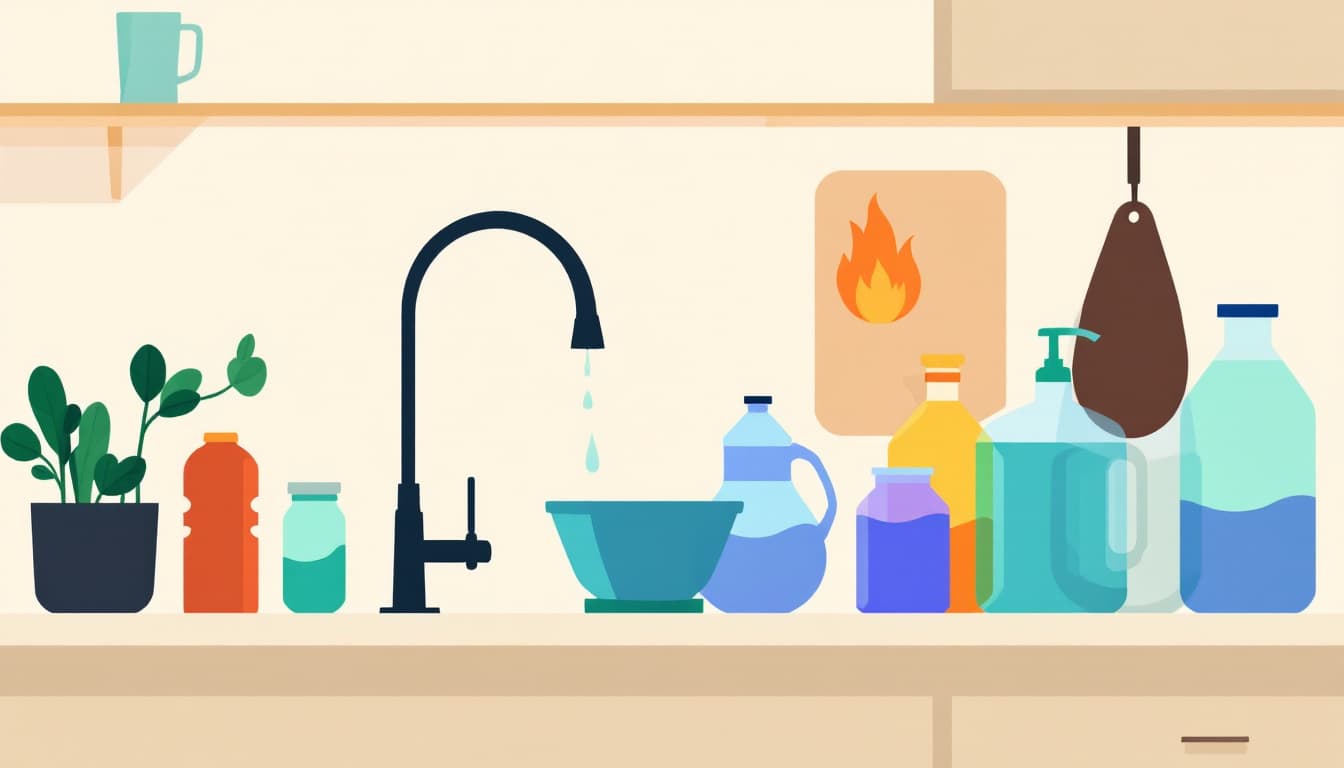
Store a two-week supply of drinking water. FEMA's baseline recommendation is one gallon per person per day, but that covers only drinking and minimal sanitation. A more realistic target for a family of four is 60–80 gallons stored, rotated every six to twelve months. Food-grade 5-gallon jugs from a hardware store run about $10 each. This is not a doomsday stockpile — it covers a boil advisory, a service interruption after a pipe break, or a heat emergency when tap water quality degrades.
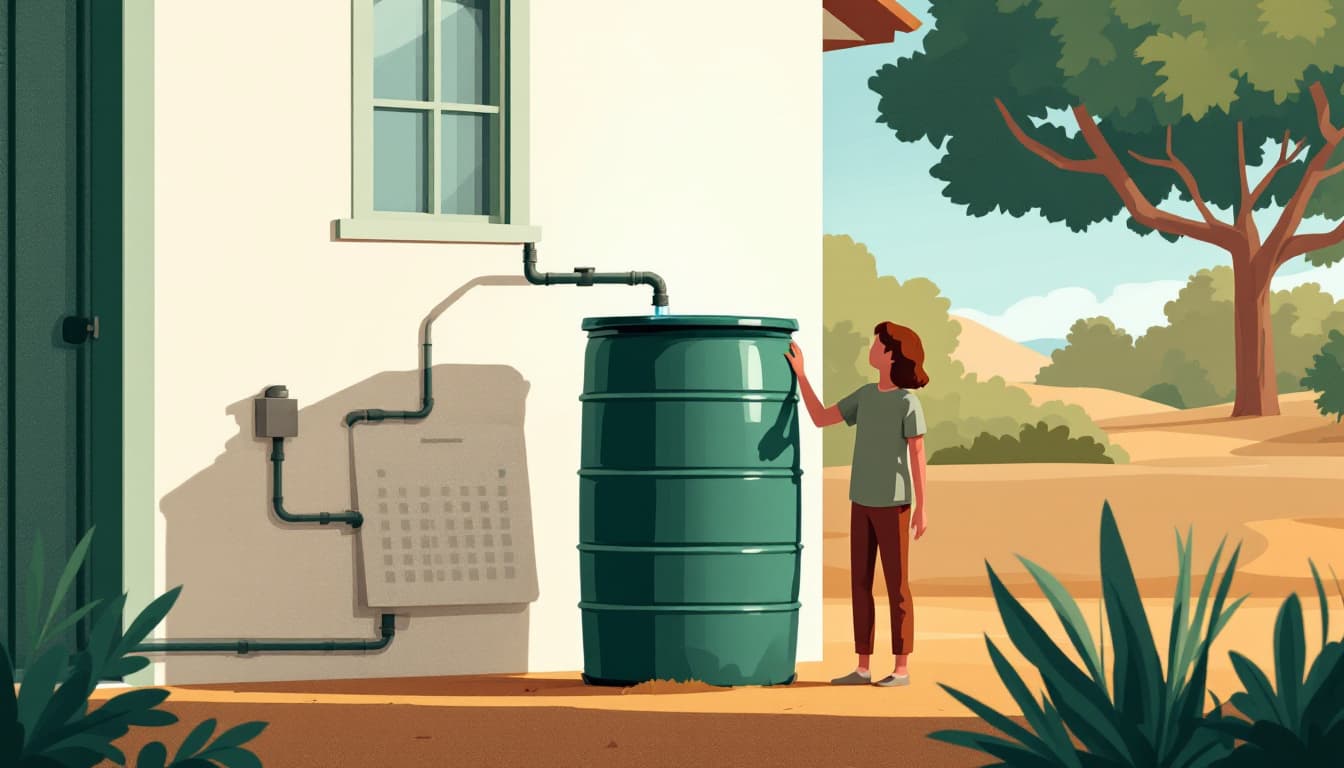
Reduce outdoor water dependency. Landscaping typically accounts for 30–50% of residential water use in dry climates, according to EPA WaterSense data. Replacing even a portion of irrigated lawn with drought-tolerant ground cover or gravel reduces both your bill and your exposure to tiered-rate increases. This is a multi-year project, not a weekend one, but starting the planning now matters.
Watch your grocery exposure, not just your tap. If your family eats a lot of fresh winter produce — the kind grown in the Imperial Valley and Yuma corridor — start substituting frozen vegetables for some of that supply. Frozen broccoli, peas, and corn are nutritionally comparable to fresh and far less vulnerable to regional water disruptions. This isn't about hoarding; it's about reducing a supply-chain single point of failure in your diet.
Learn your utility's drought response plan. Most water utilities in the Colorado River basin have published tiered response protocols — Stage 1 conservation through Stage 4 emergency restrictions. Find yours, read what triggers each stage, and understand what Stage 3 actually restricts. This takes 20 minutes and gives you a real planning baseline.
The bigger picture
The Colorado River situation is not a one-season crisis with a clean resolution. It is a slow-moving structural problem driven by overcommitted legal rights, population growth, and a drier baseline climate. Households can't fix the compact or control the precipitation. What they can do is reduce their exposure at the margins: lower consumption, store a buffer, diversify food sourcing, and understand the rules of the system they're plugged into.
Durability doesn't require a bunker. It requires understanding which systems you depend on and where those systems have real constraints. Water in the American West has real constraints. That's not alarming — it's just true, and planning around it is well within the reach of any household willing to spend a few hours on it.