A report this week from Island Free Press notes that the Outer Banks and northeastern North Carolina have exited drought conditions for the first time since August 2025 — a full year of stress on well systems, municipal supplies, and coastal ecosystems. That's worth noting, but not because the crisis is over. It's worth noting because drought recovery windows are short, and households that use them well are the ones that handle the next one better.
What's actually changing
The U.S. Drought Monitor classifies drought in five tiers, from D0 (abnormally dry) to D4 (exceptional). The northeastern corner of North Carolina, including Dare County and the barrier island communities, spent the better part of a year in elevated drought categories. That kind of sustained dryness degrades more than lawns — it draws down shallow aquifers, stresses older municipal infrastructure, and forces water authorities into restriction protocols that affect households with little warning.
The rain that broke the drought is real relief. But the NC Drought Management Advisory Council, which tracks conditions statewide, has consistently shown that eastern North Carolina cycles in and out of drought faster than the Piedmont or the mountains, partly because the coastal plain sits on a shallow water table that responds quickly to both rain and extended dry spells. What goes out returns — and then leaves again.
The western and central parts of the state remain in varying degrees of dryness as of the most recent monitoring period. So this is a regional story, not a statewide all-clear.
What we'd actually do
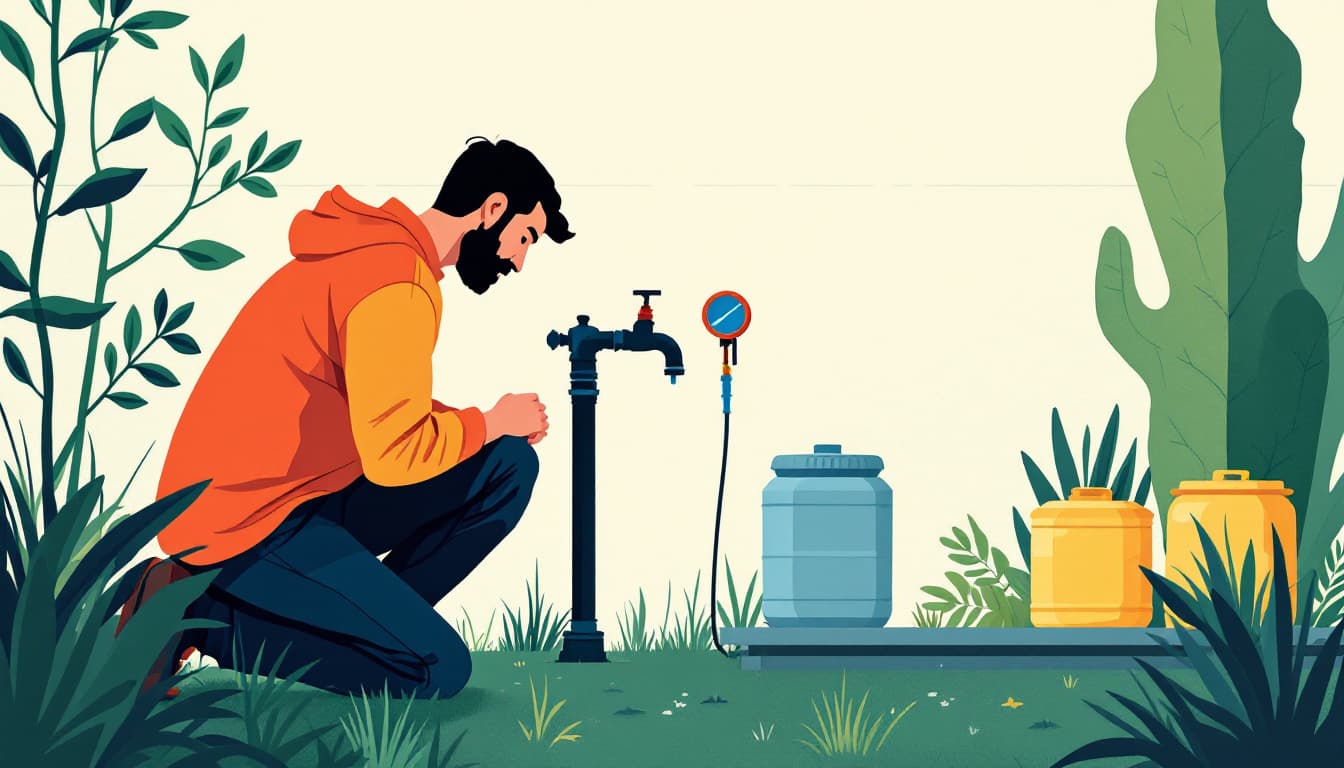
Check and document your home's water sources right now, while pressure and flow are normal. If you're on well water — common across Dare, Tyrrell, Washington, and Bertie counties — a drought recovery period is the right time to run a basic flow test and note your recovery rate. When the next dry spell hits, you'll have a baseline to compare against. If your well struggled last year, get a pump inspection before fall.
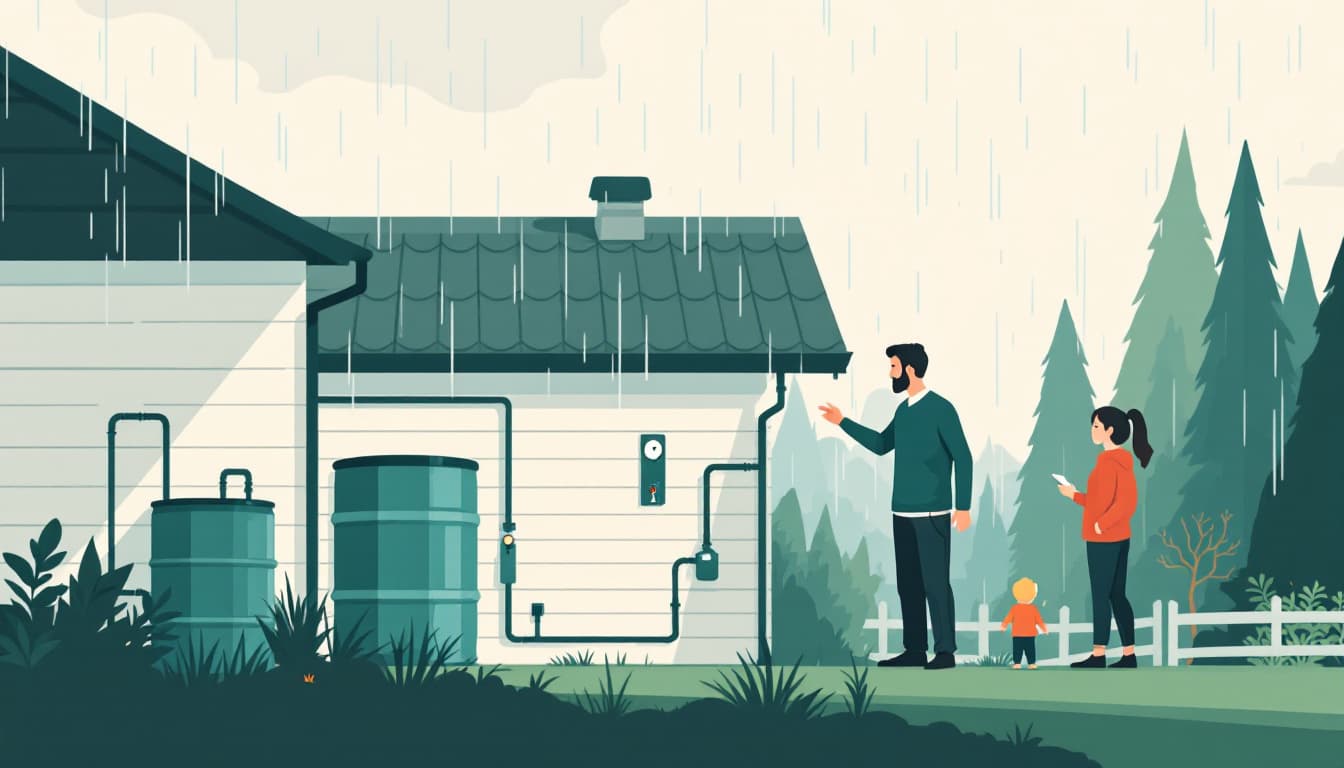
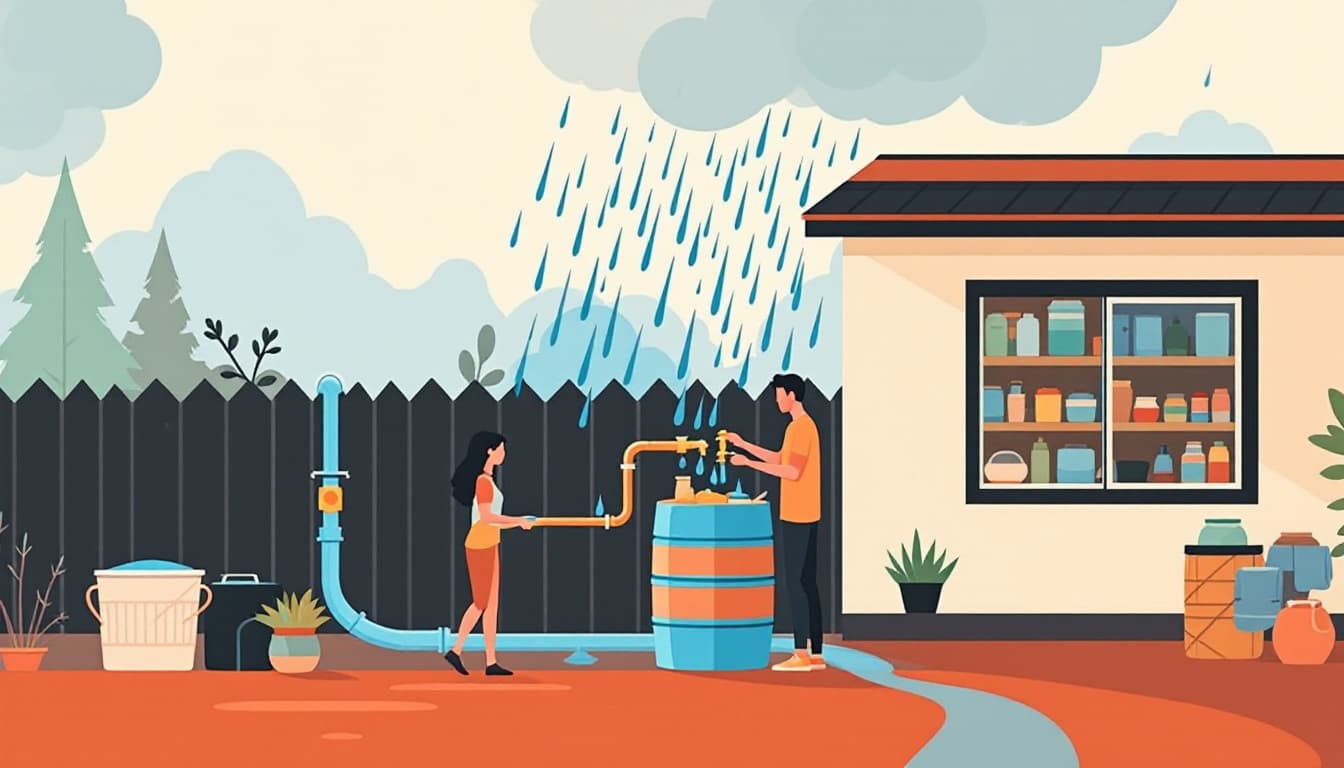
Set up at least one rain barrel before the next dry cycle starts. A single 55-gallon barrel connected to a downspout costs roughly $30–80 in parts or pre-assembled, is legal in North Carolina (the state lifted its rainwater harvesting restrictions years ago), and gives you a meaningful reserve for garden irrigation and outdoor cleaning when restrictions kick in. The point isn't survival — it's reducing municipal or well draw during the months restrictions hit hardest.
Know your municipality's drought trigger points before you need them. Most North Carolina water utilities publish tiered restriction schedules online, but few households read them until Stage 2 is already in effect. Find your utility's drought response plan — your county's website or NC Rural Water Association is a starting point — and note what outdoor water use gets restricted at each stage. This is a 20-minute task that saves real friction later.
Audit your household water consumption once, with actual numbers. The EPA's WaterSense program estimates an average U.S. household uses roughly 300 gallons per day. Most families are surprised to find the actual breakdown. Run your water meter reading at the same time two days in a row and divide by two. If you're meaningfully above 200–250 gallons per person per day, there's low-effort reduction available — usually irrigation timing and toilet age — that will matter when restrictions arrive.
If you're in a flood zone, note the flip side of wet recovery. Northeastern NC communities like those along the Albemarle Sound and Pamlico aren't just drought-prone — they're also flood-prone. A year of dry, compacted soil absorbs the first heavy rains poorly. Check your sump pump now if you have one, and confirm your flood insurance renewal date isn't lapsing during a window that feels safe.
The bigger picture
Drought in the Outer Banks doesn't make headlines the way hurricanes do, but a year of water stress on barrier island communities — places with limited aquifer depth, heavy seasonal population swings, and long supply chains for almost everything — illustrates something worth internalizing. The gap between "conditions returned to normal" and "households are actually more resilient" is filled by decisions made during the quiet stretch, not the crisis.
The goal isn't to prepare for catastrophe. It's to make the next disruption — and there will be one — land with less force.