The calendar still shows summer. A report this week from KATU confirms Oregon's 2026 wildfire season has crossed 2.3 million acres burned, surpassing the previous record set in 2024. The season isn't over.
That number isn't just a headline. It's a signal that the conditions enabling large fire years — drought stress, low humidity, east wind events — are not anomalies Oregon can plan around. They are the operating environment.
What's actually changing
The record acreage matters less than what it reveals about system stress. Oregon Department of Forestry and the Oregon Office of Emergency Management have both been running extended activation periods, which strains mutual-aid agreements, stretches air tanker availability, and slows initial attack response times on new ignitions. When resources are already committed to active large fires across eastern Oregon and the Cascades, a new ignition near a populated area gets a slower first response.
For households not directly in a fire's path, the more immediate threat is sustained smoke exposure. The Willamette Valley — Portland, Salem, Eugene — has repeatedly experienced days-long air quality events this season. That's not a rural problem anymore. And smoke at AQI levels above 150 is a genuine health risk for children, older adults, and anyone with respiratory conditions, even indoors with windows closed, if the home has no filtration system.
Insurance is the quieter problem. Several carriers have reduced coverage options or tightened underwriting in Oregon ZIP codes flagged as elevated wildfire risk. If you haven't reviewed your homeowner's policy since 2023, the coverage you assumed you had may have changed at renewal without a clear explanation in the paperwork. Oregon's Division of Financial Regulation has resources to help you understand what changed — it's worth a call.
What we'd actually do
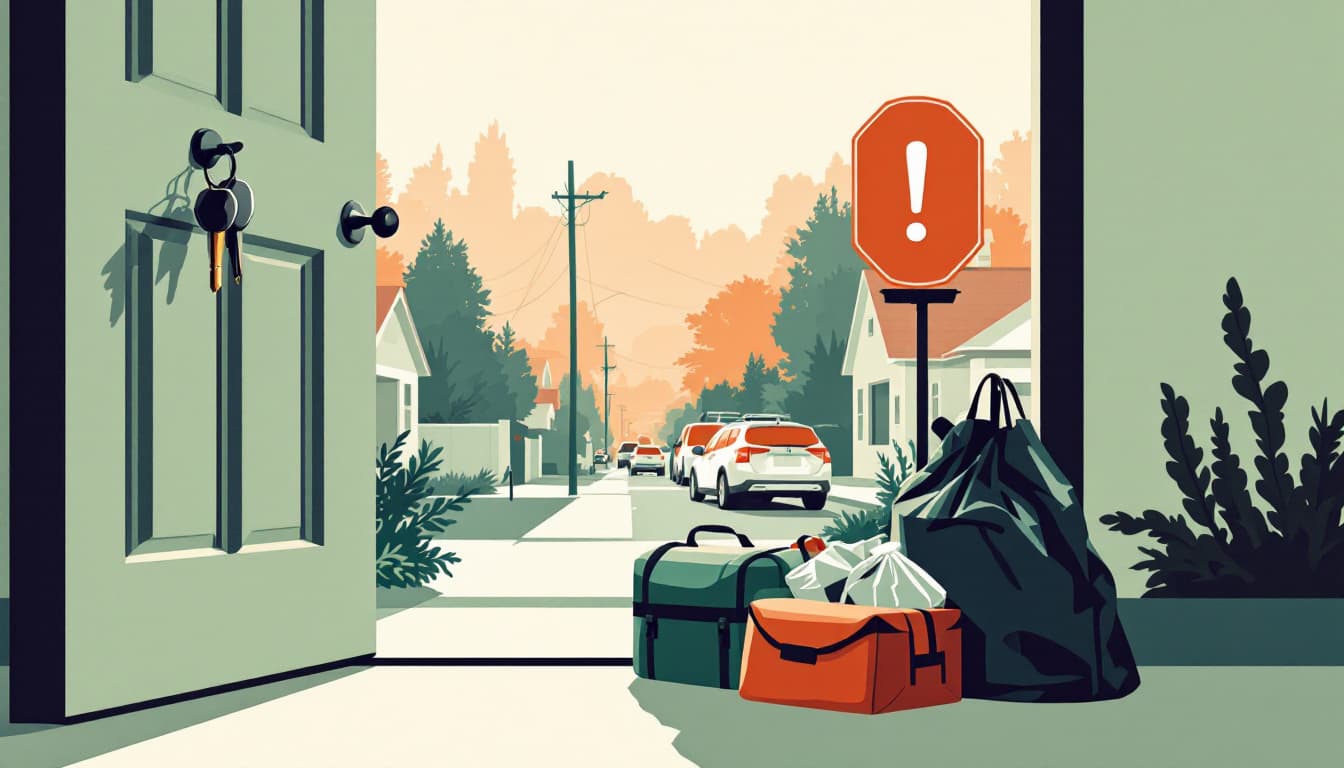
Check your evacuation level right now, not when you smell smoke. Oregon uses a three-level evacuation system: Level 1 (Be Ready), Level 2 (Be Set), Level 3 (Go Now). Your county's emergency management page — Clackamas, Lane, Jackson, Deschutes, Douglas — lists current levels by zone. Know your zone number before a fire starts. The Oregon Department of Emergency Management's website also aggregates this. Burning 2.3 million acres means multiple counties are simultaneously managing evacuation orders; cell networks and local emergency alerts get congested fast. Pre-knowing your zone removes one decision point under stress.
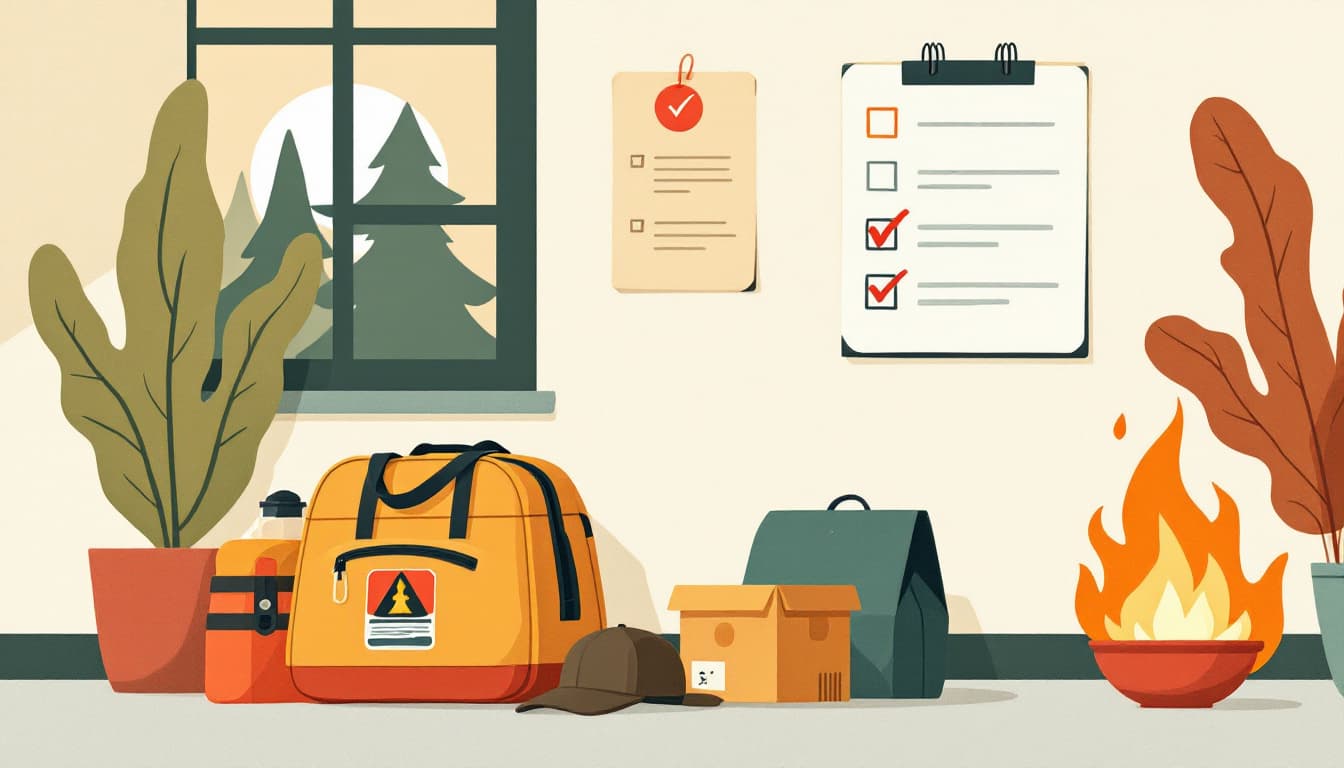
Run an actual go-bag audit this week, not a mental inventory. Open the bag. Check that medications haven't expired. Confirm IDs and insurance documents are current copies. Verify the battery on any hand-crank or battery radio still holds a charge. Many households have a bag they assembled two years ago and haven't touched since. A bag with expired Benadryl and a dead flashlight is not a functional go-bag. Set a 20-minute block this week.
Buy or upgrade indoor air filtration before the next smoke event. A HEPA air purifier rated for your room's square footage makes a measurable difference during AQI spikes. If budget is a constraint, a box fan with a MERV-13 or higher furnace filter taped to the intake side — sometimes called a "Corsi-Rosenthal box" — costs under $40 in materials and has been validated in peer-reviewed air quality research as a meaningful intervention. Don't wait for the smoke to arrive; stores in the Willamette Valley routinely sell out during events.
Read your homeowner's or renter's insurance policy — specifically the wildfire and smoke damage clauses. Call your agent and ask directly: has my coverage changed in the last two renewal cycles, and am I covered for smoke damage to contents as well as structure? Smoke damage claims are frequently disputed. Knowing what you have before an event is the only position from which you can act.
Stock two weeks of prescription medications, not seven days. During major fire evacuations in southern and central Oregon, some pharmacies have been inaccessible for over a week. If you're managing a chronic condition, talk to your physician or pharmacist about getting a 90-day supply on your next refill cycle. Most insurers will approve it. This is the preparedness action with the highest return for the least cost.
The bigger picture
Oregon isn't facing a bad fire year followed by a return to normal. The 2024 record held for less than two years. The practical implication for households isn't to panic or to relocate — it's to treat wildfire preparation the way coastal households treat earthquake preparedness: a baseline condition of living here, not an emergency response to a single event.
Durability, not drama. Know your zone, filter your air, read your policy, and keep your go-bag honest. Those four things cost almost nothing and cover the gaps that actually hurt people.