Central Oregon is burning again. A July 2026 update from Central Oregon Fire Information reports active fire activity tied to the Coyner Fire, adding another name to a summer list that Oregon households have learned to expect but rarely fully prepare for.
The problem isn't awareness. Oregonians know wildfire season. The problem is the gap between knowing and acting — and that gap tends to close only when the smoke is already visible from the driveway.
What's actually happening this season
Central Oregon sits in the high desert east of the Cascades, where low humidity, dry fuels, and persistent wind create textbook ignition conditions from roughly June through October. The Coyner Fire update is not an isolated event; it's a seasonal signal that active fire management zones are live and that evacuation-level activity is possible on short notice anywhere east of the Cascades — and increasingly on the west side too.
Oregon's tiered evacuation system — Level 1 (Be Ready), Level 2 (Be Set), Level 3 (Go Now) — moves fast. Residents in areas that went from Level 1 to Level 3 in under two hours during previous fire years will tell you that "I'll start packing when it gets closer" is not a plan. It's a gamble.
Air quality is the under-discussed secondary impact. Wildfire smoke from Central Oregon regularly pushes into the Willamette Valley, the Columbia Gorge, and even the coast. The 2020 Labor Day fires blanketed Portland and Salem for days at AQI levels above 500 — far beyond the range where standard dust masks offer meaningful protection.
What we'd actually do
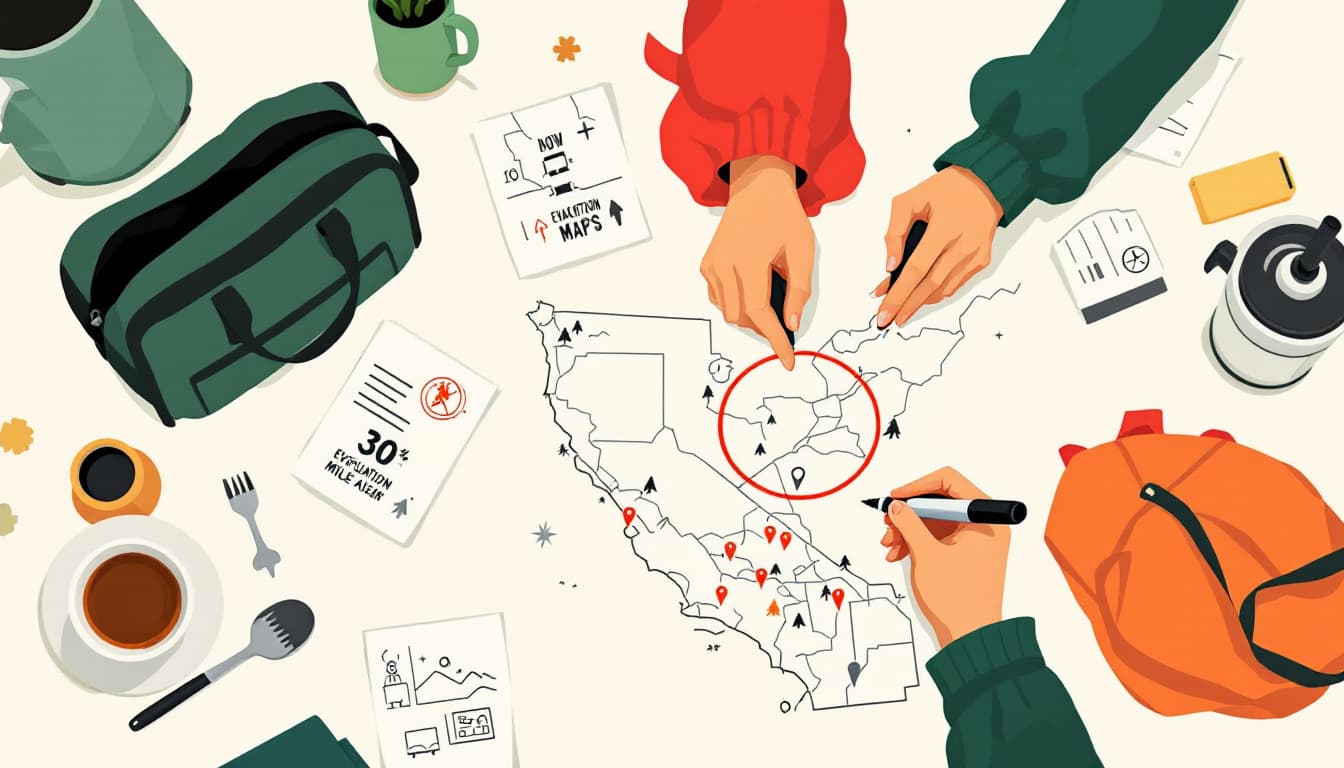
Look up your property's evacuation zone right now, before you finish reading this. Oregon's Office of Emergency Management maintains a statewide evacuation zone map at oregon.gov. If you don't know your zone level, you don't have a plan. This takes four minutes. Do it at the kitchen table with your household.
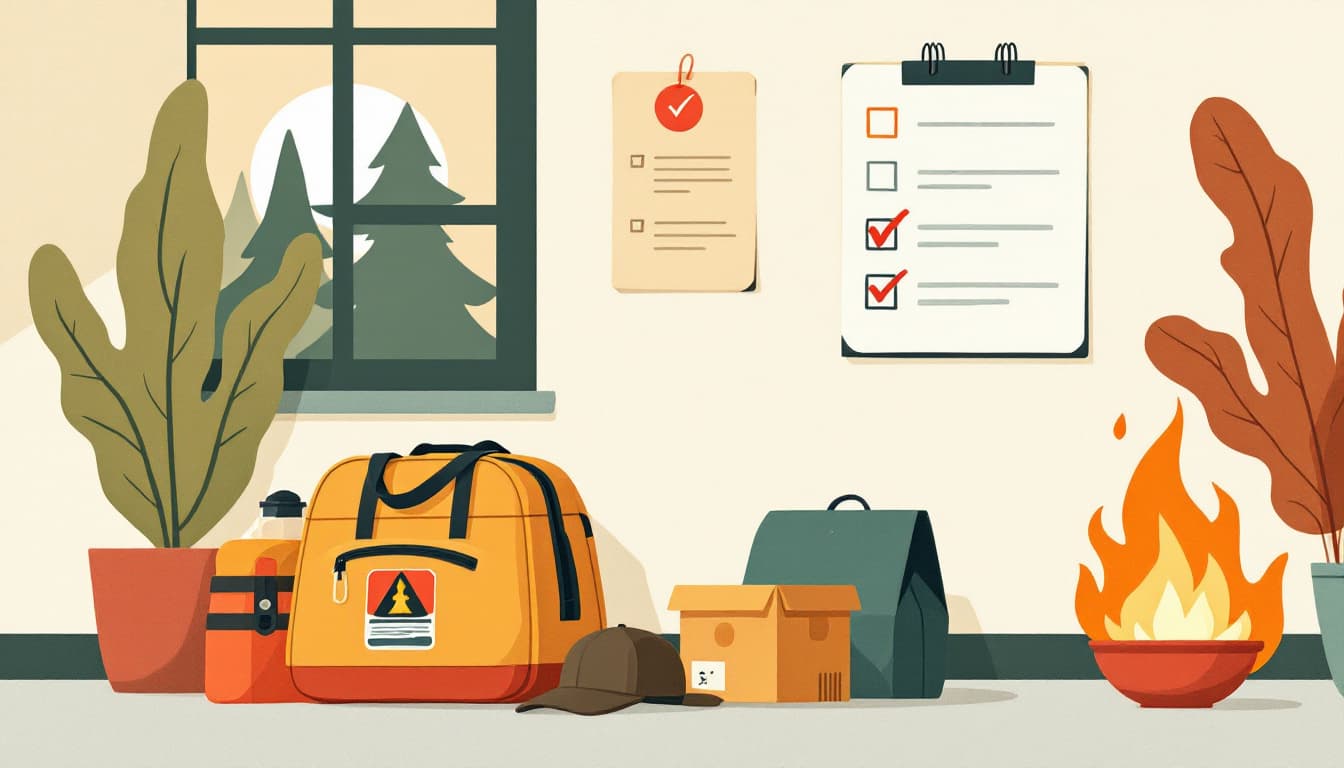
Pack a 72-hour go-bag this weekend, not next. The contents are less important than the act of doing it while you're not under stress. Focus on medications, charging cables, important documents (insurance cards, IDs, a printed list of account numbers), several days of food that doesn't require cooking, and water for each person in the household. Keep it by the door, not in the closet.
Stock N95 or KN95 masks for every person in the house, including children. Regular surgical masks filter large particles but do little against the fine particulate matter — PM2.5 — that wildfire smoke produces. A box of 20 N95s costs roughly $20-25 at most hardware stores and online. At AQI levels above 150, the difference between an N95 and nothing is clinically significant, especially for kids and anyone with respiratory conditions. Check that any masks stored from earlier years haven't degraded — the seal and filter material matter.
Identify your out-of-area contact and a fallback destination. In a regional evacuation, local hotels fill within hours. Name a specific place — a friend's house in Eugene, a family member in Portland, a motel in a city two hours from your primary risk zone — and make sure everyone in your household knows the address. Write it on paper. Phones die and cell networks congest during evacuations.
Create a defensible-space checklist for your immediate structure. Oregon's state fire marshal recommends clearing vegetation within 30 feet of the structure and keeping gutters clear of debris. This is a weekend afternoon of work for most properties. It won't stop a crown fire, but it gives firefighters something to defend and meaningfully reduces ember intrusion.
The bigger picture
Wildfire risk in Oregon isn't going to stabilize in the next decade. The combination of accumulated fuel load, drought cycles, and expanded development in the wildland-urban interface means that Central Oregon Fire Information updates will keep coming, and some of them will be closer to more households than last year's were.
The goal isn't to become someone who thinks about wildfire every day. The goal is to spend a few focused hours building the kind of household resilience that makes you boring in a disaster — the family that grabbed the bag, drove the pre-planned route, and called the out-of-area contact before the road closed.
That outcome is achievable. It just requires doing the work when it doesn't feel urgent.