A named storm before the calendar even hits the statistical heart of hurricane season is not a reason to panic. It is a reason to check what you haven't checked.
A report this week from WXII flagged Tropical Storm Arthur's remnants pushing into North Carolina alongside widespread scattered rain and a separate severe storm threat. The combination — residual tropical moisture layered under an unstable atmosphere — is exactly the pattern that knocks out power in Guilford County while Buncombe County gets flash flooding and Craven County gets both. The storm itself may be weakening. The conditions it feeds are not unusual. What is notable is the timing: this is happening in June, weeks before August and September, which historically carry the heaviest Atlantic storm load.
What's actually changing
Atlantic storm seasons have been opening earlier. That is not alarmist framing — the National Hurricane Center has documented the trend in its own historical records, and NOAA's seasonal outlooks have reflected above-normal activity expectations for several consecutive years. What that means practically for North Carolina households is that the old mental model — "we prep in August" — has a shrinking margin for error.
North Carolina sits in an unusually complex exposure zone. The Outer Banks and coastal plain face direct landfall risk. The Piedmont gets the inland wind and rain surge that remnant systems drag hundreds of miles from the coast. The mountains around Asheville and beyond face the flooding risk that Helene made painfully clear in 2024 — terrain that channels water fast, in places people assumed were "too far inland to matter."
A named system in June doesn't need to be a major hurricane to create a week-long power outage in Raleigh or wash out a road in Yancey County. Scattered severe storms do that on their own. The question is whether your household is ready for a four- to seven-day disruption, because that is the realistic unit of planning for most NC families, not a two-week wilderness scenario.
What we'd actually do
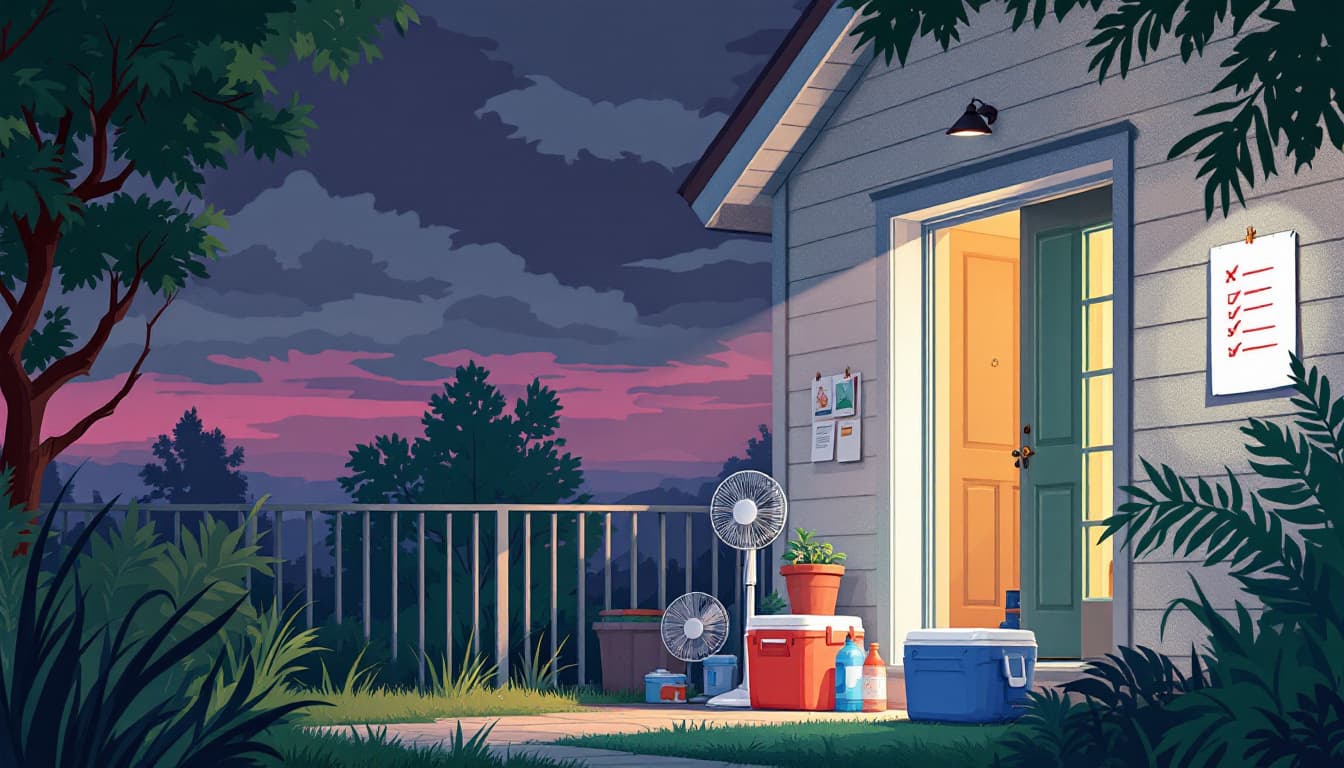
Check your power outage kit this weekend, not in August. Open the bin, the drawer, or the closet where you keep flashlights, batteries, and a battery-powered or hand-crank weather radio. Replace anything with corroded contacts or dead batteries. A NOAA weather radio tuned to your county's frequency is the most reliable alert system when cell towers are overwhelmed — and in NC, towers go down fast when storms track inland.
Fill a seven-gallon water container before the next storm system arrives. Municipal water in the Piedmont and coastal plain is generally reliable, but pump stations lose power too. Seven gallons covers two people for three days at minimum. If you're on a private well — common in rural Iredell, Chatham, or Montgomery counties — your pump is already dead the moment the grid goes down, so stored water isn't optional.
Locate your important documents and put them in a waterproof bag today. Insurance policies, medication lists, vehicle titles, and a copy of your lease or deed should be in one place you can grab in three minutes. Flooding moves faster than people expect, especially in the mountain foothills where streams jump banks without warning. This costs nothing and takes twenty minutes.
Know your county's evacuation zone and shelter locations before you need them. NC Emergency Management maintains zone maps by county at readync.gov. Most people have never looked at them. Knowing whether you're in Zone A or Zone C — and where the nearest American Red Cross shelter is — removes one decision from a high-stress moment.
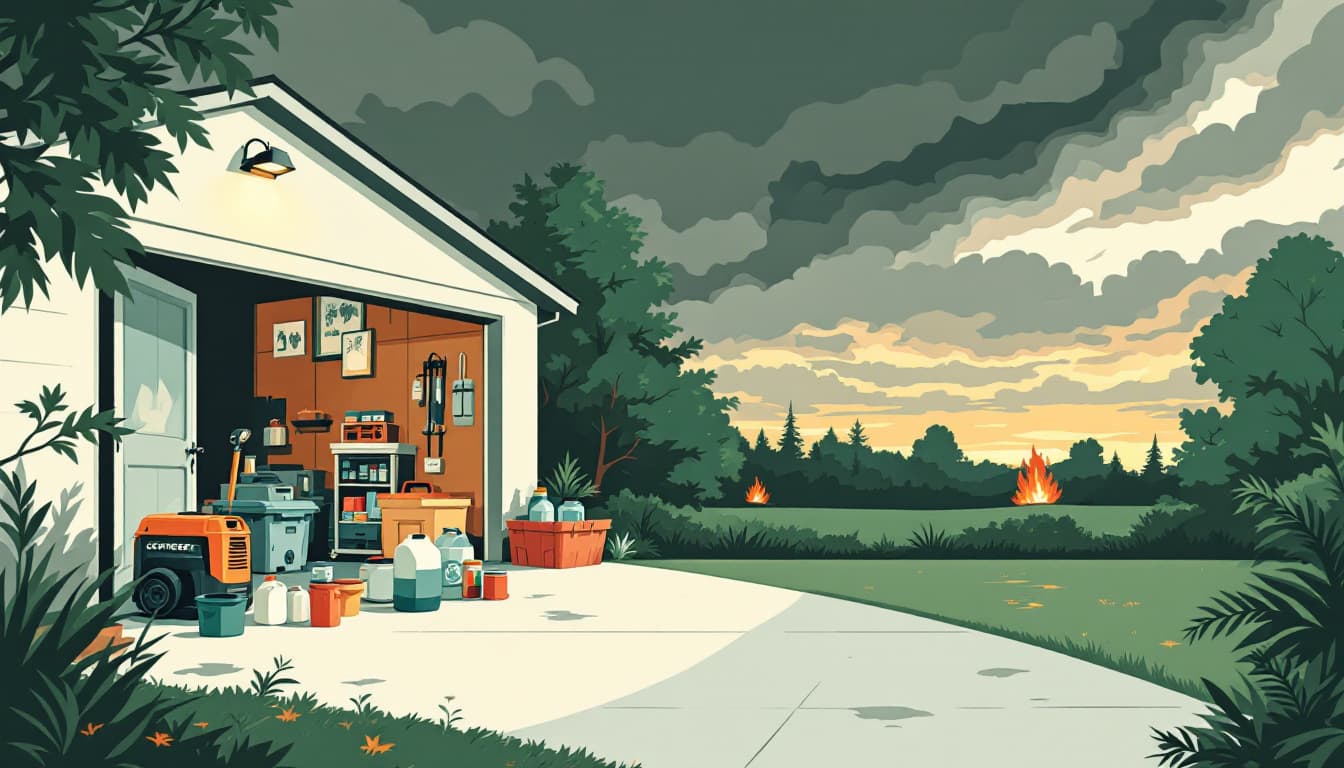
If you have a generator, run it now. Start it, let it run for fifteen minutes, and make sure you have a fresh supply of fuel stored safely outside. Generators that have sat for ten months frequently don't start when you need them. Ethanol-blended gasoline degrades; fuel stabilizer extends its shelf life significantly.
The bigger picture
The goal here is not to have a bunker. It is to have a household that can absorb a week of disruption without a crisis — no panicked runs to a stripped grocery store, no scrambling for ice, no sleeping in a shelter that could have been avoided with two hours of advance work.
North Carolina's storm exposure is real, varied by region, and earlier in the season than most households are conditioned to expect. A June tropical remnant is the universe handing you a low-stakes reminder. Use it.